
Last updated November 23, 2026
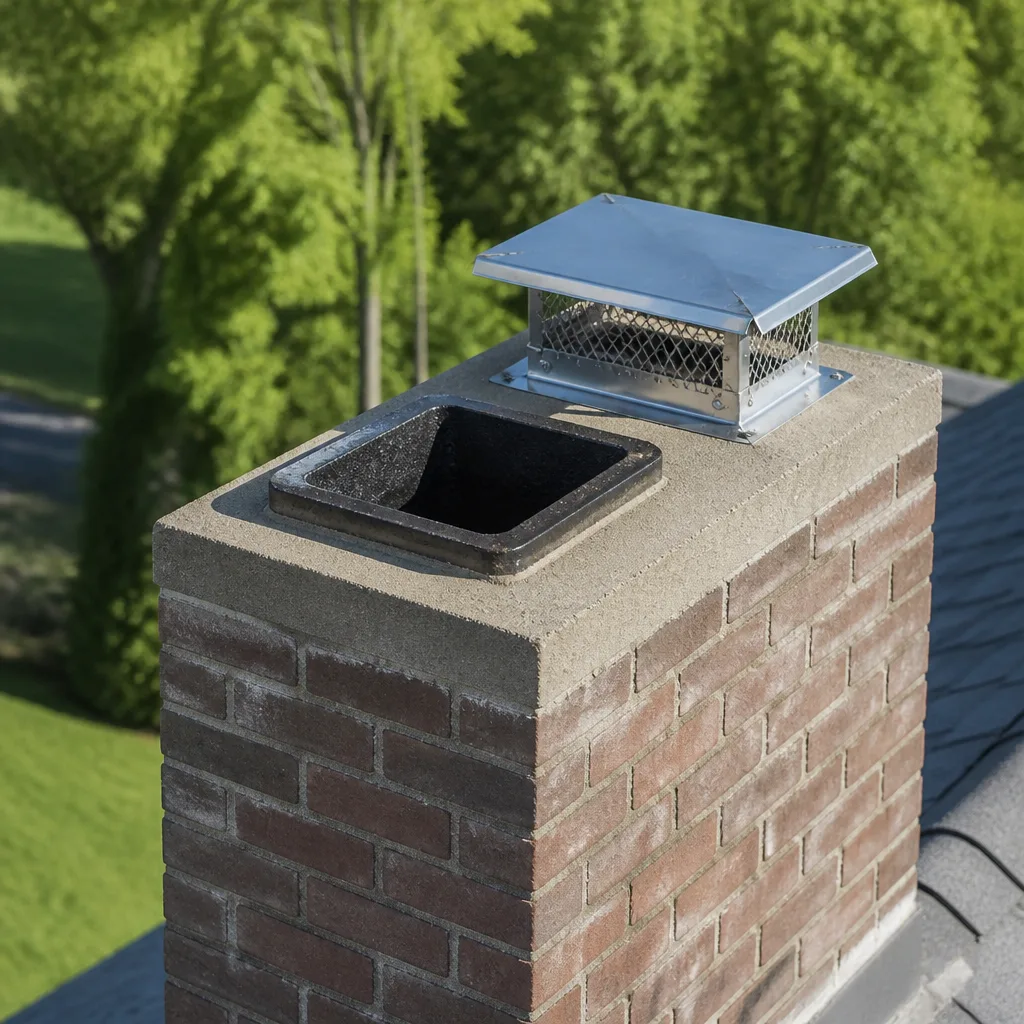 Sweep & inspection
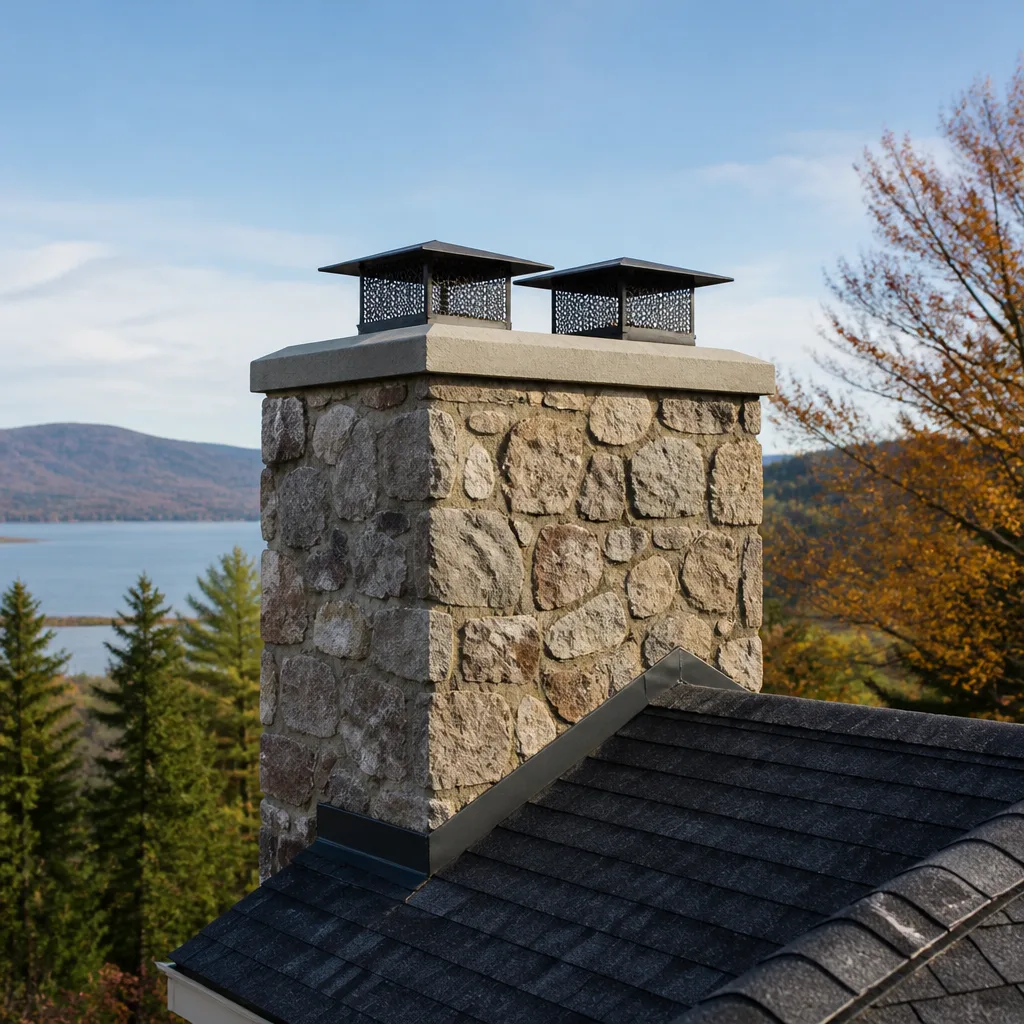 Caps & crowns
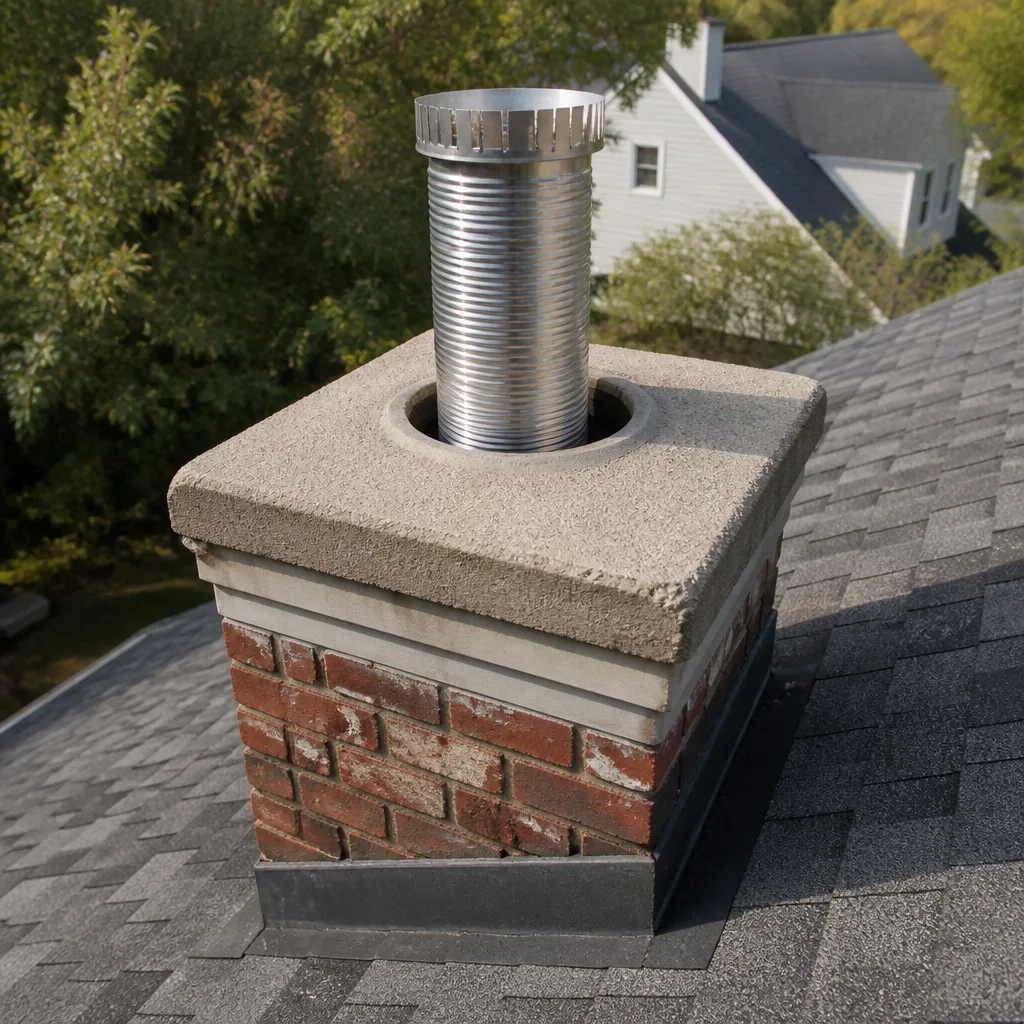 Flue relining
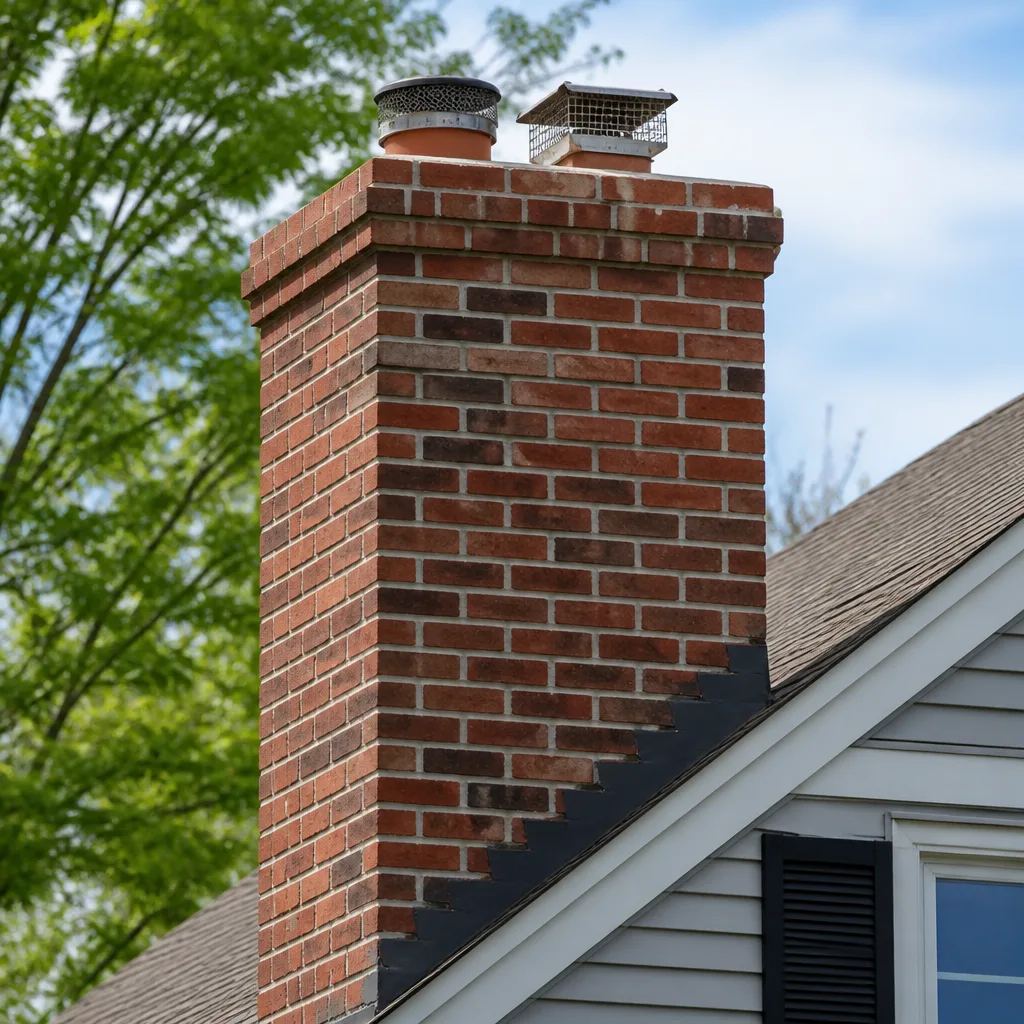 Masonry repair
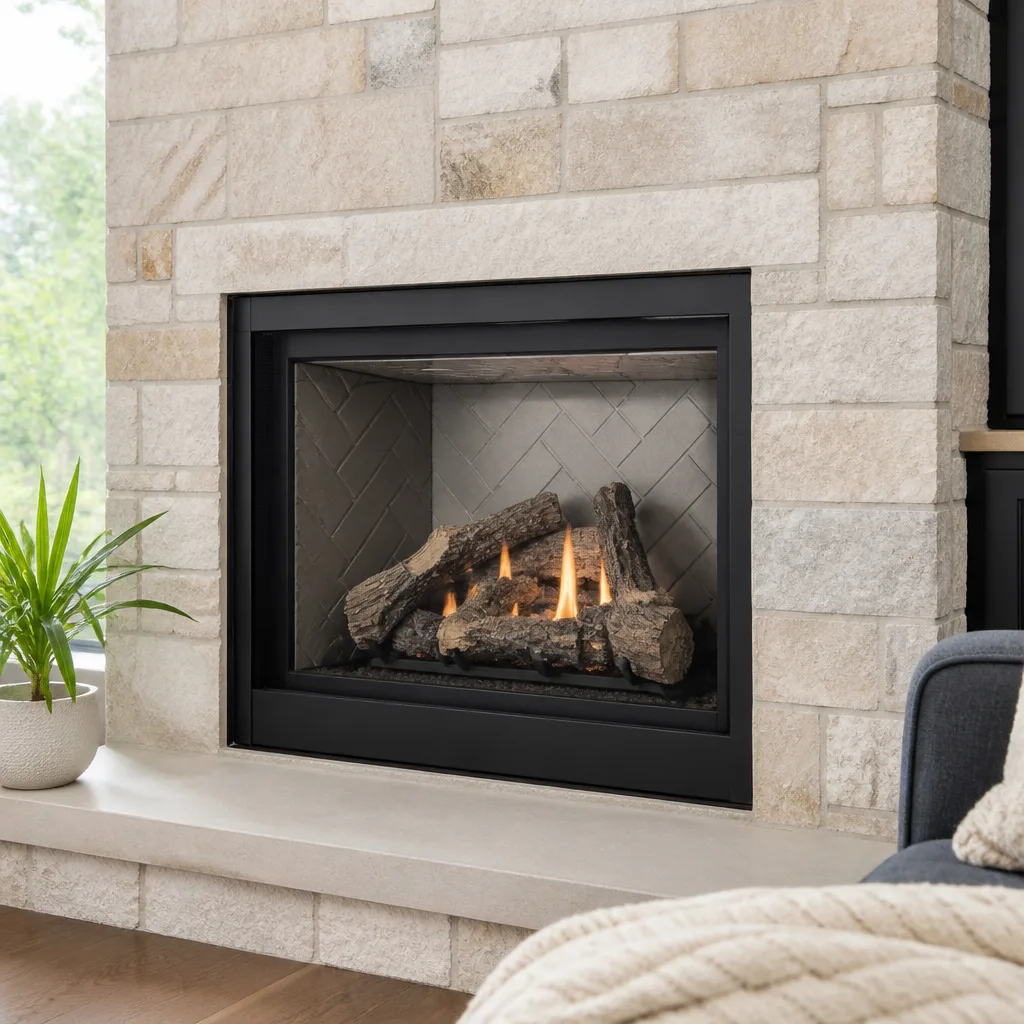 Gas fireplace service
Level 1 sweep and inspection to the NFPA 211 annual standard - flue, crown, cap, and flashing checked and photographed
Chimney sweep logs do not sweep chimneys. They loosen some creosote - which then falls where a brush and vacuum still have to collect it.
Chimney Sweep Maintenance Checklist for Five Points Homeowners
Chimney problems almost never appear out of nowhere. There’s a predictable failure sequence that starts at the crown or the cap and works its way down, and most homeowners only learn about it at step four or five, when the repair bill has already grown serious. Water gets in first. Then the flashing, then the flue lining, then the masonry itself. By the time smoke backs into the living room or a home inspector flags the firebox, the small cheap fix at the top has become a structural job at the bottom. This guide lays out a component-by-component checklist ordered by how likely each part is to fail, what to look for on your own in Five Points, where the DIY line sits, and how to use the list when you hire a sweep so you can confirm every point was actually inspected.
Quick Answer
A chimney maintenance checklist for a Five Points home should be worked top-down, starting with the cap and crown, then the flashing and exterior masonry, then the flue lining, then the firebox and damper. Check the exterior visually before each burning season, book a professional sweep and inspection once a year if you burn wood, and document what you find with photos and dates so you can spot new deterioration instead of guessing. Most serious chimney damage in Five Points starts as a water intrusion at the top and moves down.
Styles & brands we work with
- Sweep & inspection
- Caps & crowns
- Flue relining
- Masonry repair
- Gas fireplace service
Table of Contents
- Why the Order of This Checklist Matters
- Step 1: The Cap and Crown
- Step 2: Flashing, Brick, and Mortar Joints
- Step 3: The Flue Lining
- Step 4: The Firebox, Damper, and Smoke Chamber
- Step 5: Creosote and the Annual Sweep
- Documenting Condition Year Over Year
- Using the Checklist When You Hire a Sweep
Why the Order of This Checklist Matters
A chimney is a stack of components that shed water and heat in a specific order, and each one protects the one below it. When the top fails, the bottom pays for it. That’s why this checklist is ordered by failure likelihood rather than alphabetically or by where a part sits. In our experience across Five Points, the parts that take the most weather are the parts that fail first, and the interior damage shows up months or years later.
Here’s the sequence as it usually plays out:
- The cap or crown cracks or goes missing. Rain and snowmelt get a direct path into the flue and the masonry below.
- Water soaks the brick and mortar. Freeze-thaw cycles in the North Carolina Piedmont push the joints open wider each winter.
- The flashing seal at the roof line opens. Water tracks down the outside of the chimney and stains ceilings or rots framing inside the attic.
- The flue lining cracks or spalls. Heat and corrosive flue gases reach masonry that was never meant to handle them directly.
- The firebox and smoke chamber deteriorate. By this point the repair has moved from a cap and a tube of sealant to resurfacing or a full reline.
Interrupt the chain at step one and most of the rest never happens. That’s the entire logic behind this guide. Five Points sits where summers are humid and winters swing above and below freezing repeatedly, and that swing is what punishes masonry. The freeze-thaw cycle doesn’t just crack a brick once; it works the same joint open a little more every season. A homeowner who checks the top of the chimney each fall catches those small openings while they’re still small.
Step 1: The Cap and Crown
This is the first thing to check and the most common point of failure. The crown is the sloped concrete or masonry surface at the very top of the chimney that sheds water away from the flue. The cap is the metal or mesh cover that sits above the flue opening to keep rain, animals, and debris out while letting smoke escape. Both live in the worst weather the roof has to offer.
What to look for on the crown
- Hairline cracks. A few fine cracks are normal and often manageable. Wide or branching cracks are a water path.
- Crumbling or flaking concrete. If the crown surface powders when you touch it or pieces are missing at the edge, it’s begun to fail.
- Separation from the flue. The crown should slope away from the flue tile. A gap or a flat, pooled area means water is sitting there instead of running off.
- Rust stains running down the masonry. That’s often the cap or its fasteners giving up and staining the brick below.
What to look for on the cap
- Missing or loose sections. A partially detached cap can rattle in wind and let water in at an angle.
- Rusted or pulling fasteners. A cap that’s lifting at one corner is no longer sealing.
- Clogged mesh. Bird nests and leaf debris pack the mesh and choke the draft, which shows up as a smoky fireplace.
- No cap at all. An open flue is an invitation for rain, squirrels, and birds. It’s the single easiest fix on the whole system.
When a cap or crown needs replacing, the material matters. We install caps and crowns from dedicated chimney manufacturers like Olympia Chimney and Famco rather than generic hardware-store covers that rust through or warp in a season. The right part matched to the flue is what keeps this step from repeating every couple of years. For a closer look at this part of the job, see our page on chimney cap & crown.
Watch your footing when you check this from the roof. If the pitch is steep, the roof is wet, or you’re not comfortable on a ladder, look from the ground with binoculars instead. The view from the yard tells you plenty about the crown and cap, and it keeps you safely on the ground.
Step 2: Flashing, Brick, and Mortar Joints
Once water gets past the crown, the next defense is the flashing where the chimney meets the roof, followed by the brick and mortar of the chimney stack itself. This step is where Five Points homeowners get surprised, because the damage often shows up indoors, far from the chimney.
Flashing: the roof-line seal
Flashing is the metal that seals the gap between the chimney and the roof shingles. Over time the sealant under it dries and cracks, or the metal itself lifts. When that happens, water runs down the outside of the chimney and into the framing.
- Look for lifted or separated metal at the base of the chimney on the roof.
- Check the attic for water stains on the chimney chase or the framing around it after heavy rain.
- Watch interior ceilings near the chimney for brown rings or peeling paint, which point to a flashing leak more often than a roof leak.
Brick, mortar, and the freeze-thaw problem
Five Points’ winters swing above and below freezing, and that freeze-thaw pattern is brutal on masonry. Water soaks into a mortar joint, freezes, expands, and pushes the joint open. It thaws, the water runs deeper, and the next freeze does more damage. Over several seasons a tight joint becomes a crumbling one, and eventually the brick faces themselves start to spall and flake off.
Check for crumbling mortar between the bricks, bricks that are flaking or pitted on the face, and any white powdery staining on the masonry. That white staining is a sign moisture is moving through the brick and leaving minerals behind. Small repointing (mortar repair) is a routine fix; a chimney with widespread spalling needs a professional assessment before another winter.
Step 3: The Flue Lining
The flue lining is the inner wall that carries smoke and hot gases up and out. It’s the part of the system most homeowners can’t see and the part that matters most for safe operation. A cracked or deteriorated liner lets heat and corrosive gases reach the masonry, and it’s the reason a proper inspection uses a camera rather than a flashlight from below.
Common liner problems include:
- Cracked or spalled clay tiles from repeated heating and cooling.
- Gaps between tile sections where gases and heat escape into the surrounding masonry.
- Deteriorated mortar joints in the flue that let the lining separate from the chimney structure.
- Improper sizing for the appliance, which affects draft and how quickly creosote builds up.
This is squarely professional territory. A liner in good condition keeps the whole chimney working; a liner that’s cracked can let heat reach combustible framing, which is a real safety issue and not something to leave to a visual check from the firebox. Any recommendation about a liner should come with camera evidence you can see for yourself, and we inspect before we recommend anything.
When a liner does need replacing, the material solution should match the flue, not the other way around. We work with DuraFlex flexible liner systems for complex relining, including offset flues that cheaper operators avoid because they’re harder to fit correctly. And where a flue is deteriorating but not yet beyond saving, HeatShield resurfacing can restore it without a full liner replacement. That restore-before-you-replace path is one most sweep-only companies simply can’t offer, because they don’t carry or apply the resurfacing system. It’s a meaningful difference when the alternative is thousands of dollars of relining you may not need.
Step 4: The Firebox, Damper, and Smoke Chamber
The firebox is where the fire actually burns, and it takes the most direct heat of any part of the system. The damper controls the throat, and the smoke chamber is the sloped space above it that funnels smoke into the flue. By the time problems reach here, the failure sequence has usually been running for a while.
Firebox
- Cracked firebrick. Firebrick is meant to absorb heat. When it cracks, that heat reaches the masonry behind it.
- Crumbling mortar joints. The joints between firebrick should be tight and intact, not soft or receding.
- Loose or missing firebrick that lets you see the structure behind the firebox wall.
Damper
- Stiff or stuck operation. A damper that won’t open fully chokes the fire and forces smoke into the room.
- A damper that won’t close. That’s heat loss up the flue when the fireplace is idle, and a path for cold air into the house.
- Rusted or warped plates that no longer seal.
Smoke chamber
The smoke chamber is the sloped transition above the damper. Its surfaces should be smooth so smoke moves up and out rather than swirling. Rough, deteriorated, or poorly shaped smoke chamber walls are a common reason a fireplace smokes into the room. This is a spot that a camera inspection reveals and a casual look from the hearth does not. If your fireplace smokes, our fireplace repair page walks through the likely causes and how we diagnose them.
Step 5: Creosote and the Annual Sweep
Creosote is the residue that condenses on the inside of the flue as wood burns. It builds up in layers, and the layers vary in how flammable and how hard to remove they are. That buildup is one of the main reasons a chimney fire happens, and it’s the reason a wood-burning chimney needs a professional sweep on a regular basis, typically once a year for a household burning a normal amount of wood.
How much creosote forms depends on several things you can partly control:
- Burning seasoned wood. Wet or green wood produces more creosote because more of its heat goes to boiling off moisture.
- Draft. A cool or obstructed flue condenses more residue on its walls.
- How hot the fire burns. Smoldering, low fires leave more deposits than efficient hot burns.
- How often you burn. The more you burn, the faster the layer builds.
A professional sweep removes the creosote with the right brushes and a contained vacuum so the dust stays out of your home. Before sweeping, we inspect. That’s the order that matters: know the condition of the system, then clean it. If a sweep ever finds heavy glazed creosote, that’s a signal the burning habits or the draft need attention, not just another cleaning. Booking the sweep before the burning season starts is the practical move, because a chimney that’s clean and inspected in fall is ready when the first cold night hits. Our chimney sweep page covers what a visit involves from start to finish.
Gas fireplaces don’t produce creosote the way wood does, but they still need an annual inspection. The flue, venting, and firebox should be checked for obstruction, corrosion, and proper draft. Carbon monoxide is the concern with gas, and a blocked or damaged vent is exactly the kind of thing a yearly inspection catches.
Documenting Condition Year Over Year
A checklist is only useful if you have something to compare it to. Most homeowners notice a chimney problem only when it becomes obvious, which means they can’t tell whether that crack was always there or appeared last winter. Documenting the condition each year gives you a baseline so you can spot real deterioration instead of guessing.
Build a simple record each year when you do your check:
- Date every entry. Note the month and year you did the exterior check.
- Photograph the crown and cap from the same spot on the ground each time so the comparison is fair.
- Photograph the flashing at the roof line and the base of the chimney.
- Note the condition of the firebox and firebrick, and whether the damper opens and closes smoothly.
- Keep the sweep or inspection report with any photos and findings from the annual inspection.
- Write one line about any change you noticed since last year’s record.
Over two or three seasons, that record tells you whether the chimney is holding steady or slipping. A crown crack that’s the same width three years running is a different situation from one that’s clearly widening. This is also invaluable if you ever sell the home or if your insurer asks about the chimney’s condition. A documented history answers questions a photograph from today can’t.
Using the Checklist When You Hire a Sweep
A good sweep and a cheap sweep can look identical on the phone. The checklist in this guide is a way to tell them apart. When you hire someone to inspect and clean your chimney, you can ask whether each point on this list was actually checked, and the answer tells you a lot about the quality of the visit.
Ask these questions before and during the appointment:
- “Will you inspect before you recommend anything?” A sweep who leads with upsells before the inspection has it backwards. Inspection comes first.
- “Will I see camera images of the flue?” You can’t evaluate a liner over the phone. A camera inspection and a photo report let you see the actual condition.
- “Did you check the crown, cap, and flashing?” The top of the system is where failures start. A visit that skips it isn’t a full inspection.
- “Will you tell me what can safely wait?” An honest sweep will name the small fixes you can defer, not just the big ones.
- “What product lines do you work with?” This one matters for what happens next. A full-system specialist can handle liners, caps, resurfacing, and masonry, while a sweep-only operator has to hand you off to someone else for the repair.
That last point is where the difference between a sweep-only crew and a full-system chimney specialist shows up. We’re a full-system chimney specialist, not a one-service sweep crew, and that means the inspection, the cleaning, the cap and crown work, the fireplace repair, and the structural repair can all happen without handing you off to a second contractor mid-project. The product lines we work with, including DuraFlex, HeatShield, Gelco, Olympia Chimney, Famco, and Copperfield, cover liners, resurfacing, caps, and covers so the right solution can match your specific flue instead of being forced from a one-size-fits-all bin. You can see how we approach the whole job from cap to firebox on our main Chimney Sweep Five Points page.
Ask for a written estimate before any work is agreed to, and read it for what’s included. The written estimate is what sets the final price, so there are no surprises once the work is underway.
Common Mistakes to Avoid
After enough inspections in Five Points, certain mistakes come up again and again. These are the ones that cost the most down the line.
- Skipping the cap because it “looks fine” from the ground. Caps fail at the fasteners and the mesh as often as the lid. A look from the roof or a camera-based check catches the failures you can’t see from the yard.
- Ignoring a small crown crack. Hairline cracks that grow are a water path into the entire chimney. Sealing the crown while the crack is small is far cheaper than dealing with the masonry damage it causes over a few winters.
- Burning wet or unseasoned wood. It feels efficient, but it produces much more creosote and forces more frequent sweeping. Seasoned wood protects the flue and the air in the house.
- Treating a smoky fireplace as a furniture arrangement problem. Smoke backing into the room usually means a draft, obstruction, or smoke chamber issue. Moving the log holder won’t fix it.
- Assuming a gas fireplace needs no maintenance. Gas is cleaner than wood but still requires annual inspection for venting and carbon monoxide safety. A blocked gas vent is a serious hazard.
- Letting the annual sweep slide for several years. Missing a season or two lets creosote build to a heavy layer that’s harder and more expensive to remove, and it hides developing liner damage.
- Hiring a sweep who won’t show the flue on camera. If you can’t see the condition of the liner, you can’t evaluate a recommendation to reline. Insist on seeing the evidence.
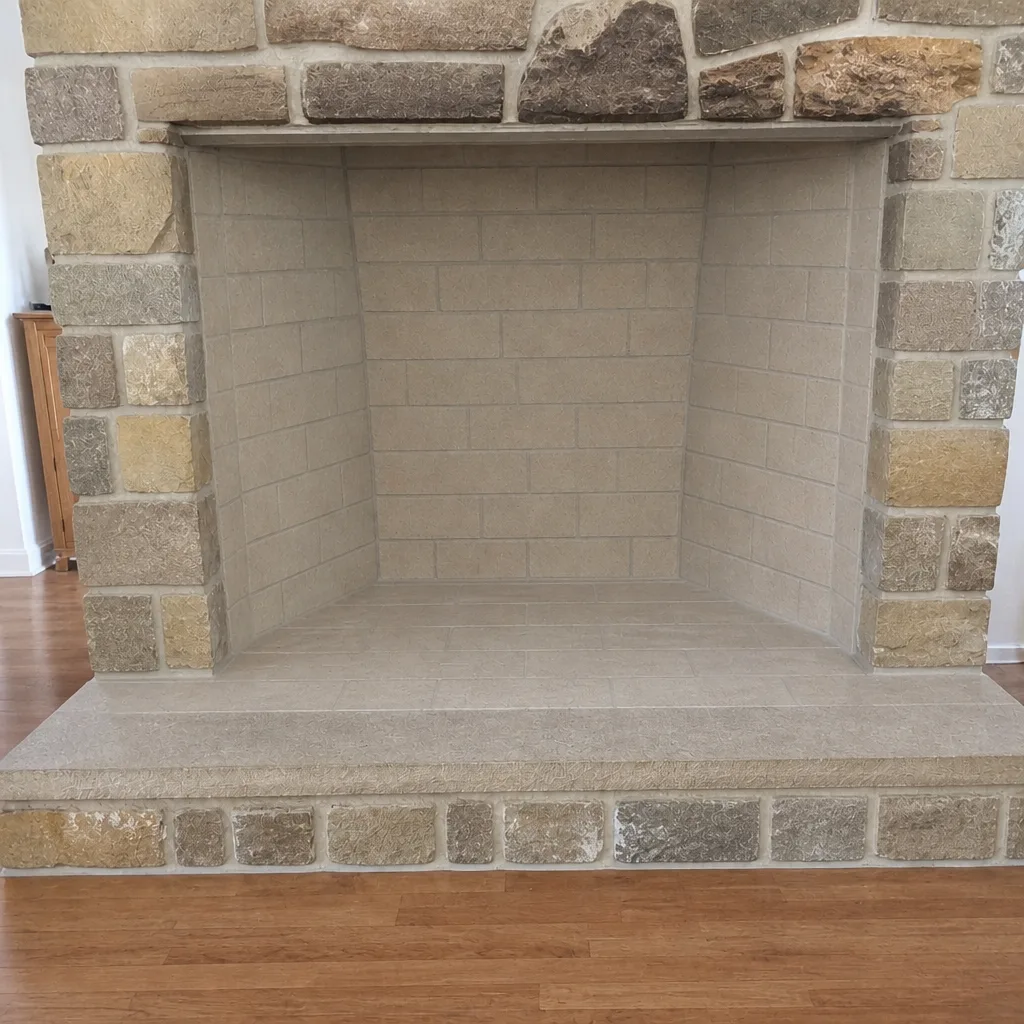
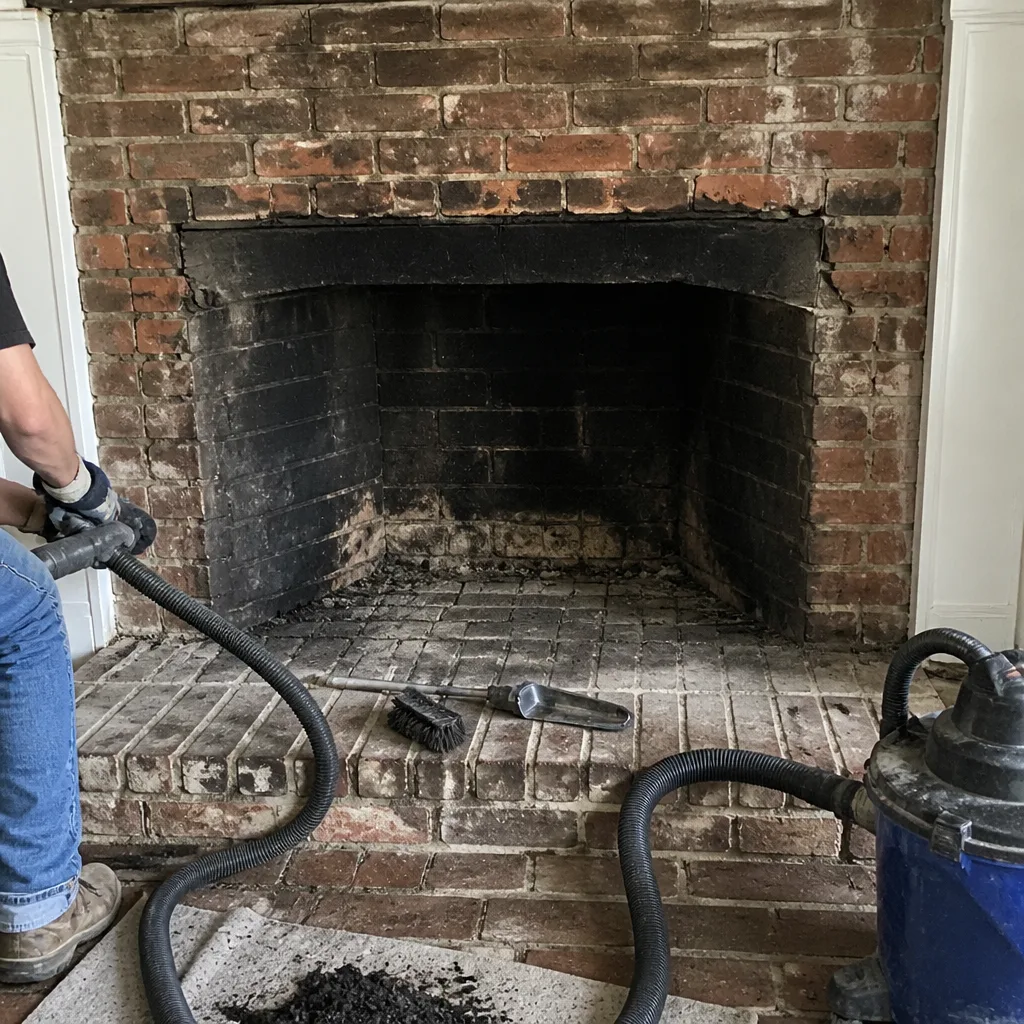
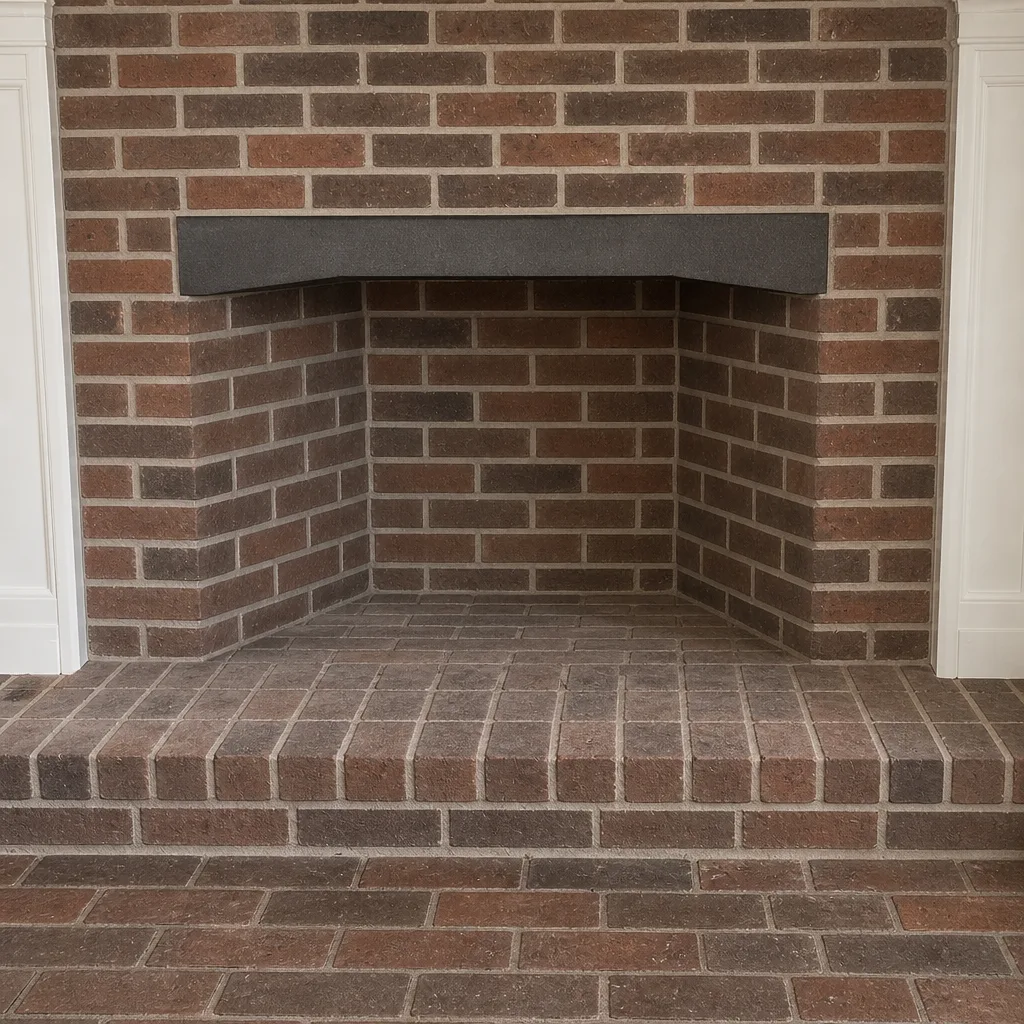
See the difference
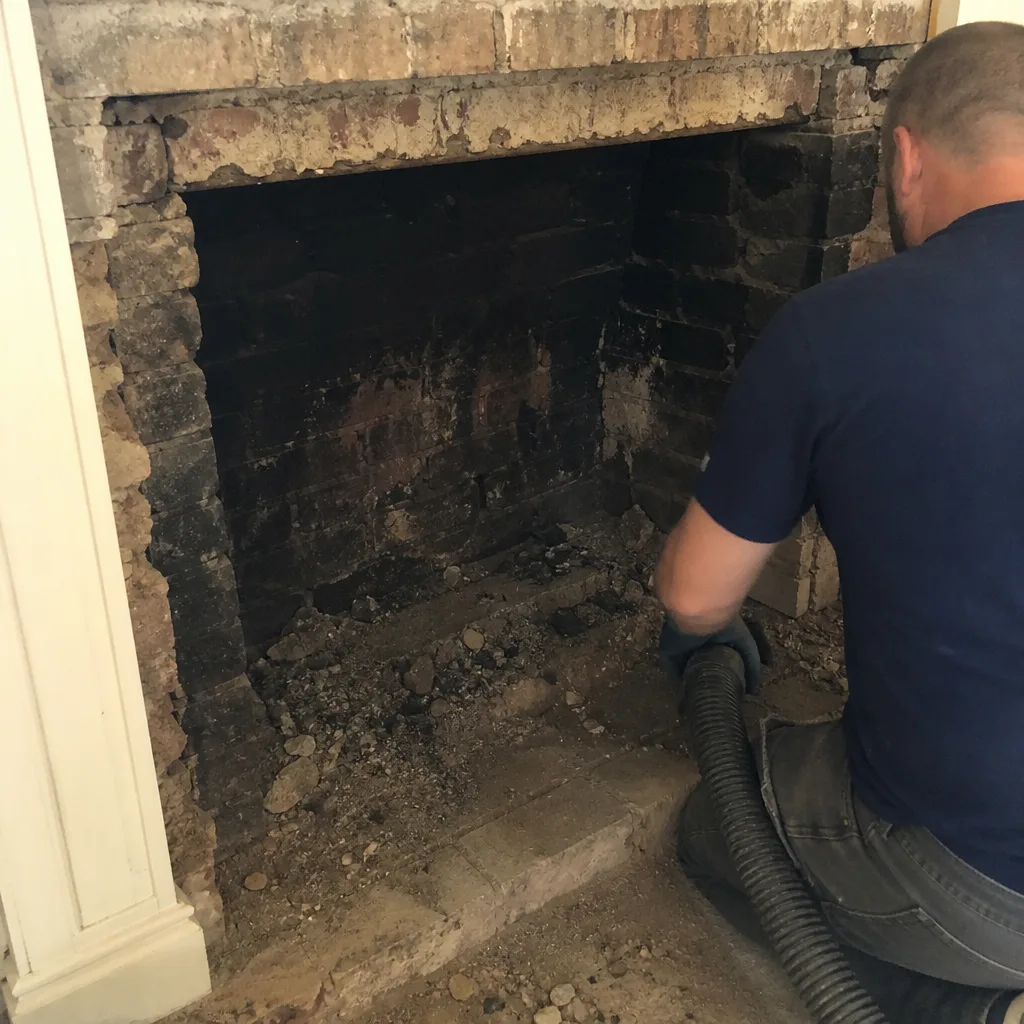 Before
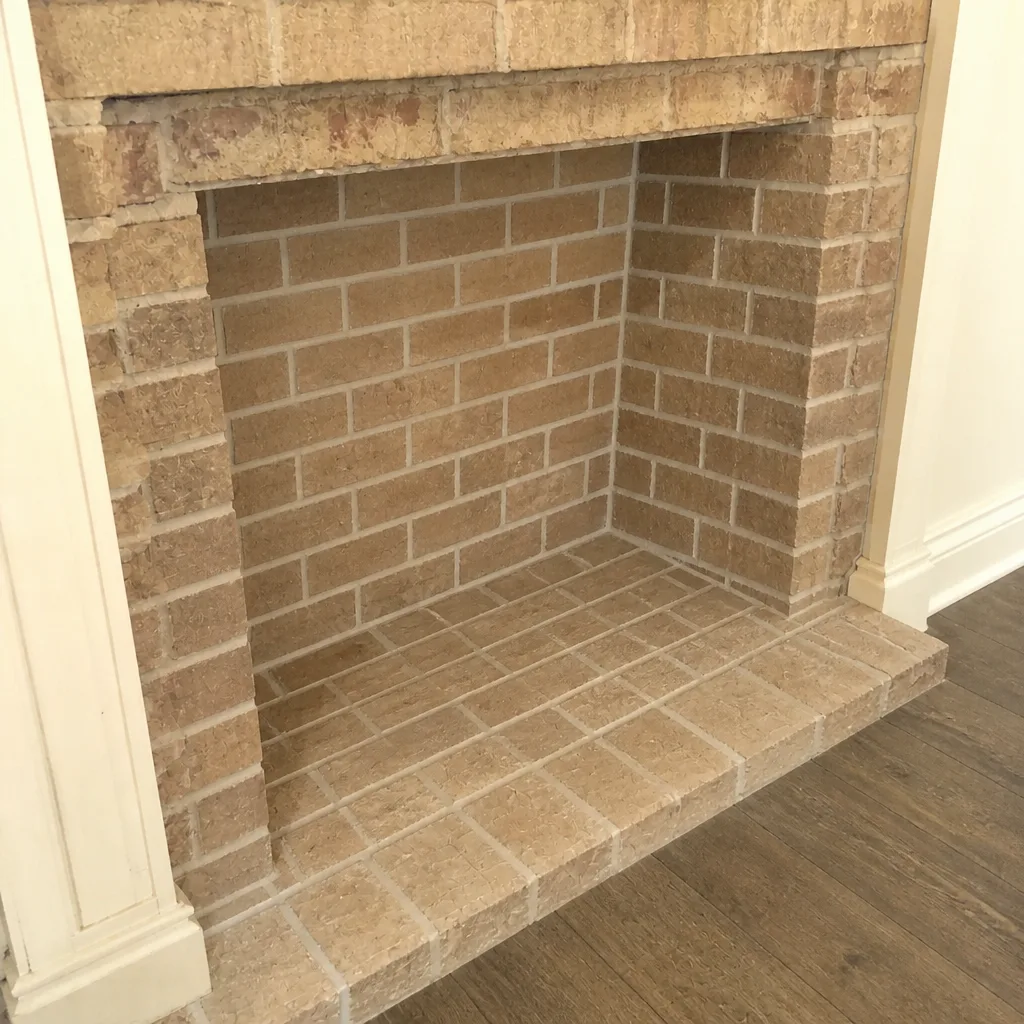 After
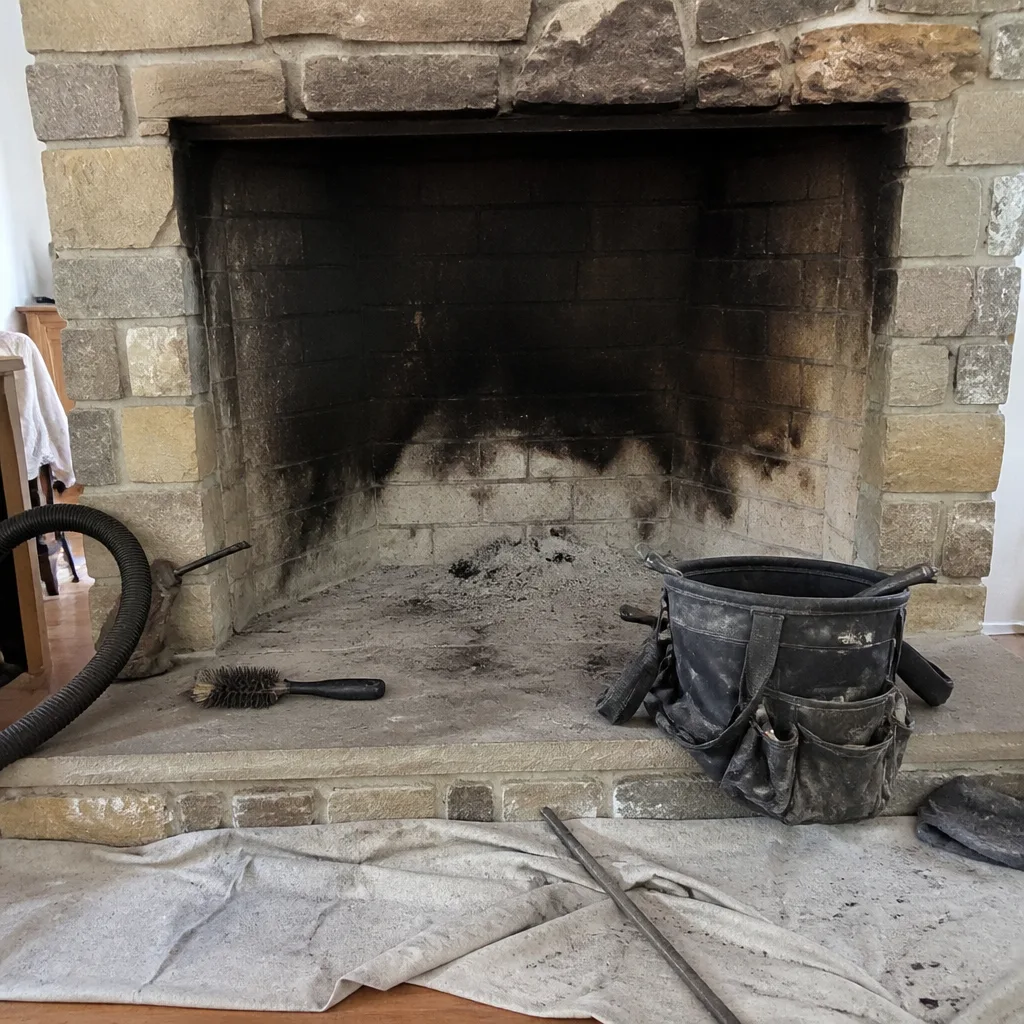 Before
 After
 Before
 After
When to Call a Professional
Some tasks on this checklist are safe to do yourself: a visual check from the ground with binoculars, checking the damper operation, and photographing the crown and cap for your records. Others cross firmly into professional territory. Anything involving the roof, the flue liner, the smoke chamber, the firebox structure, or masonry repair should go to a trained professional. A cracked liner or damaged firebox is a real safety issue, and heat reaching combustible framing is not something to diagnose by guesswork. If you smell smoke in the house when the fireplace is off, see water staining near the chimney after rain, notice a smoky fireplace, or simply haven’t had an inspection in more than a year, that’s the time to book one. Chimney Sweep Five Points offers free estimates in Five Points. Call (855) 658-5081. We answer 24/7. Fast dispatch from 7am to 7pm, Sunday through Friday.
Frequently Asked Questions
Once a year for a household that burns wood regularly, and at least every couple of years for occasional use. Five Points’ humid summers and freeze-thaw winters also make an annual inspection worthwhile even in light-use years, because the weather does damage regardless of how often you burn. Call (855) 658-5081 for an exact quote – estimates are free.
It should cover the cap and crown, the flashing and exterior masonry, the flue lining, the firebox and damper, the smoke chamber, and the annual sweep. Order it top-down, because most damage starts at the top and works down. Checking each point once a year before the burning season is enough for most Five Points homes.
Yes, for the visible exterior parts. Use binoculars from the ground to check the crown, cap, and flashing, and check the damper and firebox from the hearth. Anything involving the flue interior, the smoke chamber, or masonry repair needs a camera inspection and a professional, so leave those to a trained technician.
Only if the liner is actually cracked, spalled, or separated, and you should be shown camera evidence before agreeing to it. Sometimes a deteriorating flue can be restored with HeatShield resurfacing instead of a full reline, which can extend the flue’s life without the expense of replacement. We inspect before we recommend, and we’ll tell you when a liner can safely wait.
Small failures at the crown and cap let water into the masonry, which then damages the flue lining, firebox, and structure below it. Meanwhile, creosote builds up inside the flue, which raises the risk of a chimney fire. Skipping maintenance doesn’t stop these processes; it just means you find out about them later, when the repair is bigger.
Smoke backing into the room usually points to a draft problem, an obstruction like a clogged cap or nest, a flue that’s too cool, or a damaged smoke chamber. It’s rarely a cosmetic issue, and it’s worth a professional inspection to find the cause. Call (855) 658-5081 – estimates are free.
The Bottom Line
Chimney problems follow a predictable order: the crown or cap fails first, water works its way into the flashing and masonry, the flue lining and firebox deteriorate, and by then the repair has grown from a small top fix to a structural job. Working the checklist top-down once a year is how Five Points homeowners interrupt that sequence before it gets expensive. Check the cap and crown, look at the flashing and mortar, keep a dated record with photos, book the annual sweep with a camera inspection before burning season, and ask the questions that confirm each point was actually checked. From cap to firebox, the right part matched to your flue is what makes the repairs last.
Chimney Sweep Five Points handles the full system: sweeping, Level I and Level II inspections, cap and crown installation, fireplace repair, and structural chimney repair, all performed in-house with product lines that include DuraFlex, HeatShield, Gelco, Olympia Chimney, Famco, and Copperfield. Our technicians have up to 12 years of experience, and we use professional-grade parts, not hardware-store substitutes. If it’s time for your annual inspection, call (855) 658-5081 for a free estimate. We answer 24/7. Fast dispatch from 7am to 7pm, Sunday through Friday.
Written by the team at Chimney Sweep Five Points.