
Last updated November 23, 2026
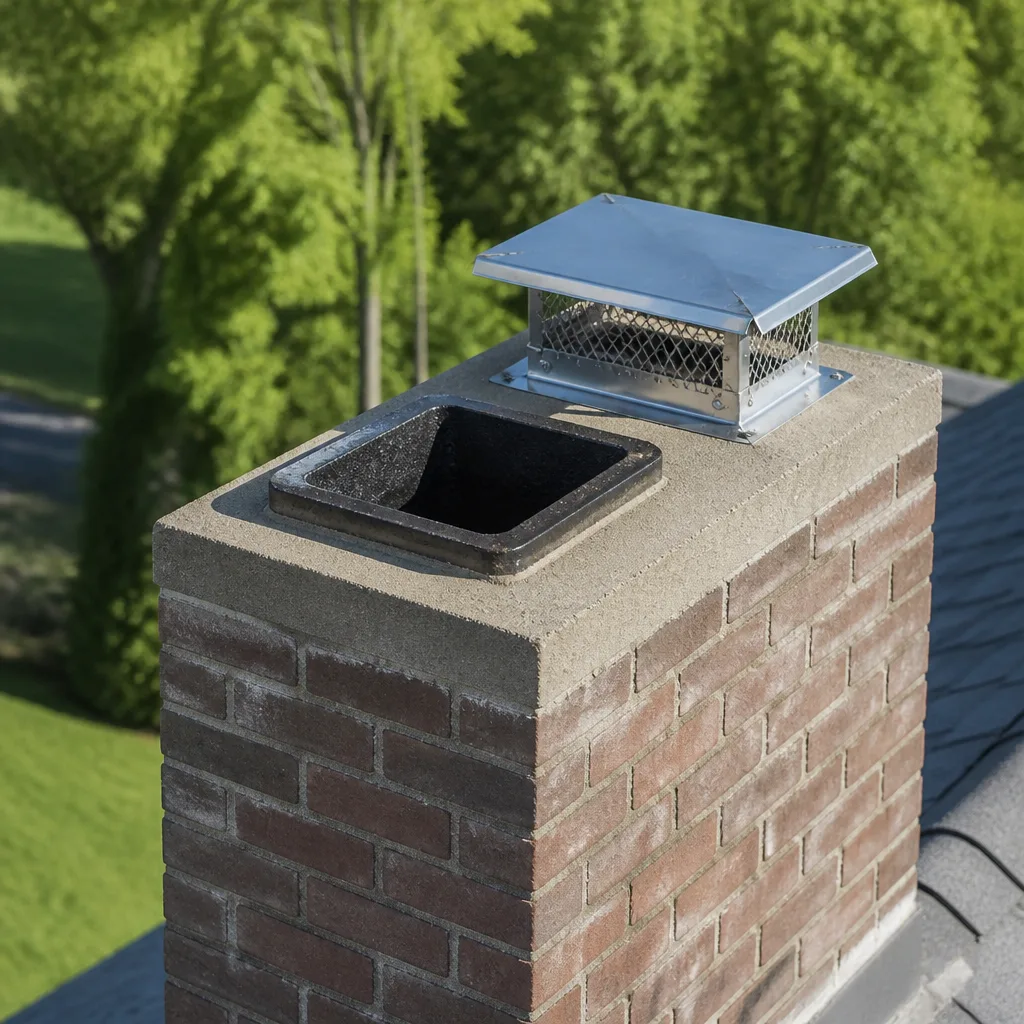 Sweep & inspection
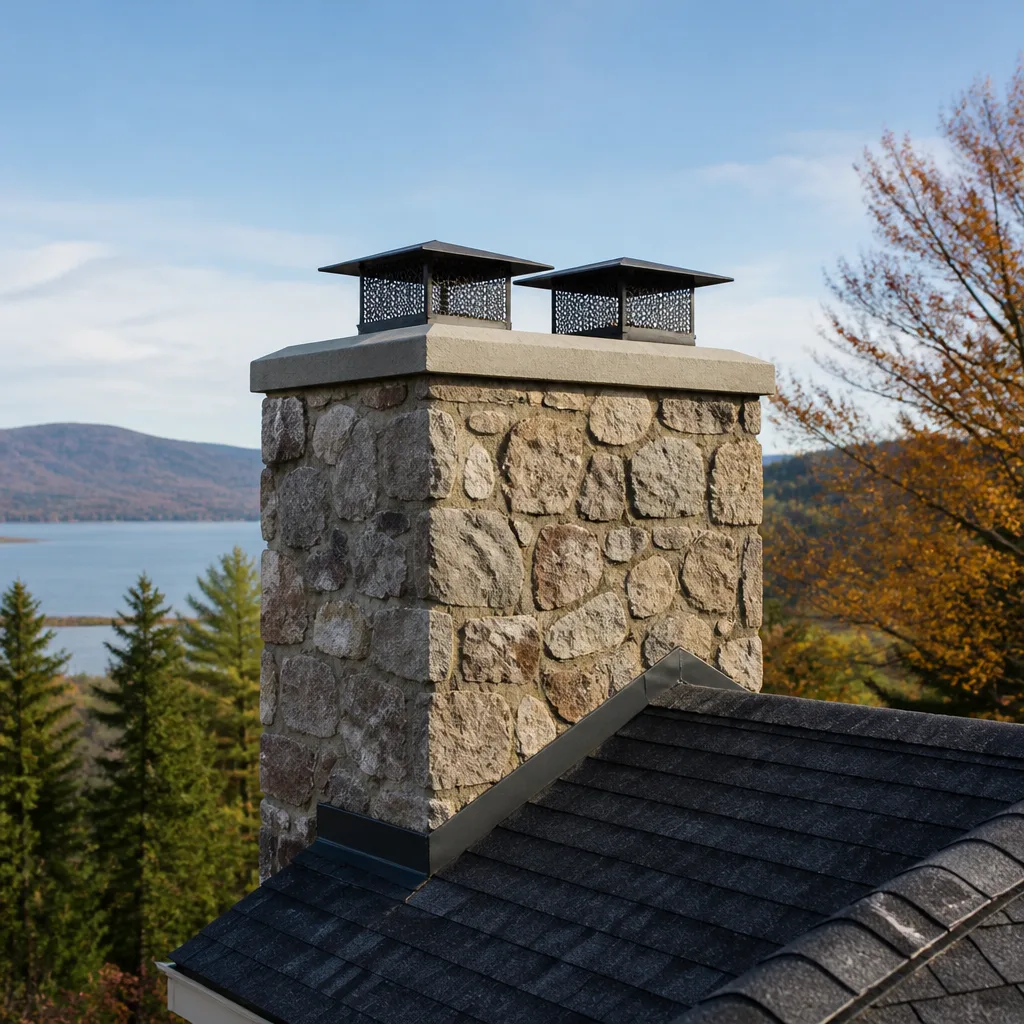 Caps & crowns
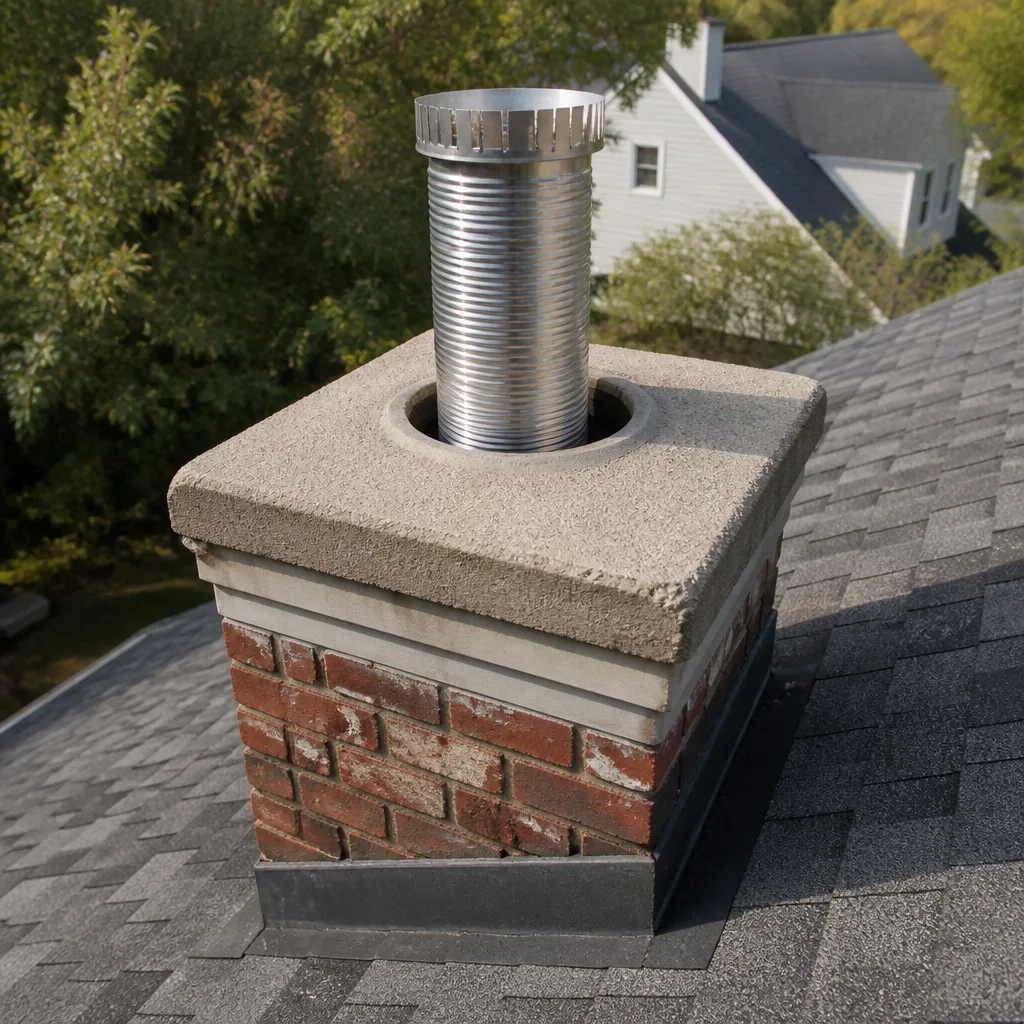 Flue relining
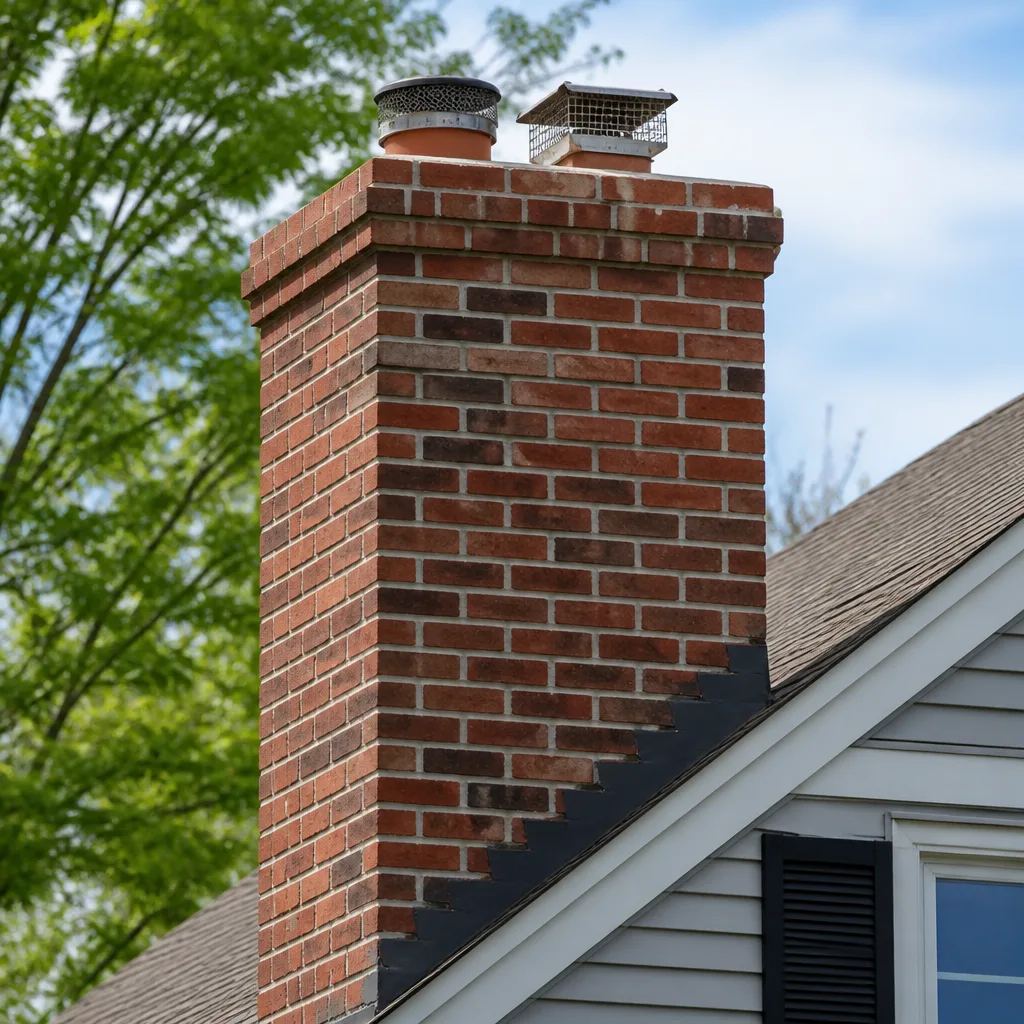 Masonry repair
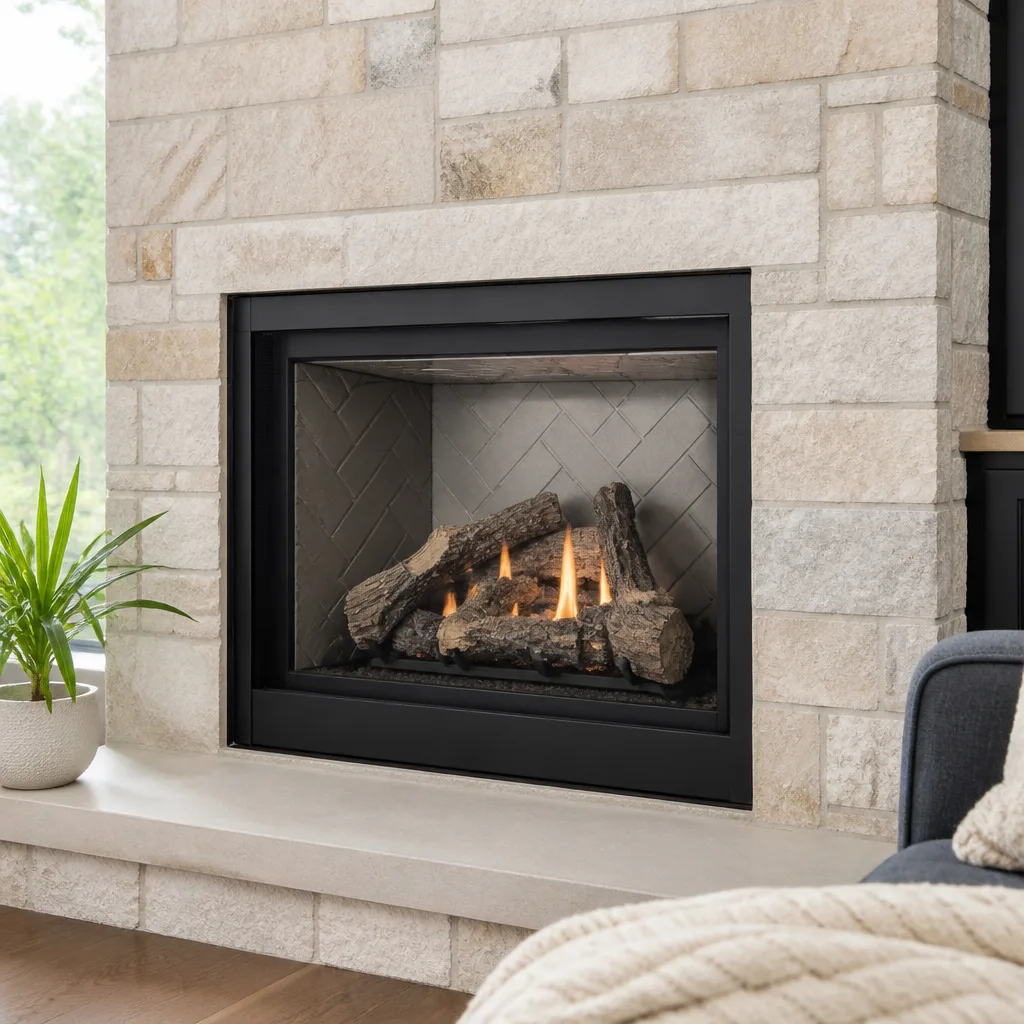 Gas fireplace service
Level 1 sweep and inspection to the NFPA 211 annual standard - flue, crown, cap, and flashing checked and photographed
Chimney sweep logs do not sweep chimneys. They loosen some creosote - which then falls where a brush and vacuum still have to collect it.
How to Hire a Chimney Cleaning Contractor in Five Points: A Step-by-Step Guide
CSIA certification is worth having, and any sweep who carries it should say so. But it’s also the first line on a website that ends the conversation, and it doesn’t tell you whether the company behind it can actually repair what it finds. There are certified sweeps who don’t stock a professional liner system, can’t tell Stage 2 creosote from glazed soot at a glance, and hand off every real repair to somebody else. In Five Points, where a lot of housing stock is older and flues were built for a different era of heating, that gap matters. This guide gives you a vetting framework built on what a contractor carries, knows, and does during the job, not what their homepage claims.
Quick Answer
To hire a chimney cleaning contractor in Five Points, verify three things before you book: that the company carries professional-grade liner, cap, and resurfacing products rather than generic hardware, that it performs repairs in-house instead of subcontracting them, and that it gives you a written inspection report with photos. A sweep-only crew can clean a flue. A full-system specialist can tell you what condition it’s in and fix it without sending you to a second contractor.
Styles & brands we work with
- Sweep & inspection
- Caps & crowns
- Flue relining
- Masonry repair
- Gas fireplace service
Table of Contents
- Why Hiring a Chimney Sweep Is Harder Than It Looks
- The Questions That Separate Specialists From Sweep-Only Crews
- What a Real Chimney Inspection Report Includes
- Red Flags in Quotes and Proposals
- How to Verify Insurance, Licensing, and Complaint History in North Carolina
- Why Three Quotes Can Backfire
- Five Points Conditions That Affect Your Chimney
- The Step-by-Step Hiring Process
Why Hiring a Chimney Sweep Is Harder Than It Looks
Almost no barrier to entry exists in this trade. A brush set, a shop vacuum, and a ladder are enough for someone to advertise chimney cleaning, and in a market like Five Points, where older homes sit close together and word travels fast, a confident newcomer can pick up work quickly. That’s the landscape you’re hiring in. The problem isn’t that every sweep is bad. It’s that the cheap tools and the professional ones produce an identical-looking result on the day of the cleaning, and the difference only shows up two or three seasons later when a crown fails or a flue lining crumbles.
Chimney work splits into two broad categories, and knowing which one you’re calling changes what you should expect.
- Sweep-only crews clean the flue. When they find a cracked crown, a spalling brick, a deteriorated lining, or a missing cap, they refer the work out, and you start the vetting process again with a company you know nothing about.
- Full-system specialists inspect, clean, and repair from cap to firebox. They carry the materials to resolve problems they find, and they’re accountable for the whole job rather than the cleaning portion of it.
Neither category is inherently dishonest. But if your chimney has visible trouble, a cracked crown, a missing cap, smoke rolling into the room, or a flag on a home inspection report, you want the second category. That’s the distinction this guide is built around.
The Questions That Separate Specialists From Sweep-Only Crews
Ask these on the phone before you book. The answers tell you more than any certification badge, because they probe capability rather than credentials. A company that can name its materials and explain why it chose them is a company that installs them.
- “What liner system do you install, and do you handle offset flues?” A full-system specialist works with a premium flexible liner brand such as DuraFlex and can reline a flue that shifts off-center between floors, which is common in older Five Points homes. Sweep-only crews avoid offset flues because they’re harder.
- “Do you offer flue resurfacing, or is relining the only repair path you have?” HeatShield resurfacing can restore a deteriorating flue without a full liner replacement. If a company’s only answer to lining damage is “you need a new liner,” they may not have the resurfacing option at all.
- “What brand of cap and crown do you install?” Dedicated chimney manufacturers such as Gelco, Famco, and Olympia Chimney build caps and crowns for the purpose. Hardware-store caps fail early, and a company that names its suppliers is a company that installs to a standard.
- “Do you do the repair work yourselves, or do you subcontract it?” Single-company accountability matters. When the same business inspects, quotes, and repairs, there’s no seam for the problem to fall through.
- “What does your inspection report include?” The answer should include photos and a written scope. If it’s a verbal walkthrough, keep looking.
- “Can you identify the three stages of creosote and tell me which one my flue has?” Stage 3 glazed creosote is a fire hazard and requires specific removal methods. A sweep who can’t discuss creosote stages in plain terms isn’t inspecting at that depth.
You don’t need to interrogate anyone. Two or three of these questions will tell you which kind of operation you’re talking to. The way a company answers a materials question says more than how many certifications it lists.
What a Real Chimney Inspection Report Includes
A legitimate chimney inspection report is a document, not a conversation. You should be able to hold it, read it, and show it to your insurer or a future buyer. In our experience, the difference between a documented inspection and a verbal walkthrough is the difference between knowing your chimney’s condition and taking someone’s word for it.
Chimney inspections come in levels, and the level should match the situation. A Level I inspection covers the readily accessible portions of the chimney and is appropriate when conditions haven’t changed. A Level II inspection goes further, into the flue itself with a camera, and is the right call after a chimney fire, after a change in appliance, when buying a home, or when a problem is suspected. A Level II is what you want if there’s any question at all.
A report worth the paper it’s printed on includes:
- Photos of the firebox, damper, smoke chamber, flue interior, crown, and cap
- Camera footage or stills from inside the flue
- A written description of the flue lining’s condition and material
- Creosote level noted, with the stage identified
- Observations on the exterior, including crown, flashing, and brick condition
- A clear scope of recommended work, with priorities separated from optional items
- Plain language about what can safely wait until next season
That last point matters. A report that recommends everything at once with no sense of urgency ranking isn’t a report, it’s a quote. The documentation should tell you what’s urgent, what’s worth doing soon, and what can wait. You should be able to look at the photos yourself and understand why each recommendation exists. If you can’t, ask. The answer should be specific.
Red Flags in Quotes and Proposals
Most chimney problems are found on a roof or inside a flue, and that distance is where pressure tactics work. If you’re standing in your living room being told your house is in danger by someone who hasn’t shown you a photo, slow down. Here are the patterns to watch for.
- No written scope. A quote that’s a single number with no line items tells you nothing about what’s being done or why. A legitimate proposal breaks out materials, labor, and scope.
- “Immediate fire hazard” with no evidence. Chimney fires are real and serious, and creosote buildup genuinely raises that risk. But a hazard claim should come with photos and a specific description of what was found. Pressure without documentation is sales, not diagnostics.
- Recommendation of a full reline with no alternative. Sometimes a reline is the right call. But a deteriorating flue can sometimes be restored with resurfacing instead, and a company that only has one repair in its toolbox will only ever recommend one repair.
- Vague line items like “chimney work” or “miscellaneous repairs.” If you can’t tell what’s being fixed, you can’t evaluate the price.
- Discounts contingent on signing today. Chimney work doesn’t get more urgent because a price expires at 5pm.
- No documentation of insurance or credentials when asked. A contractor who can’t produce proof of insurance on request is a contractor to walk away from.
None of these is proof of bad faith on its own. Together, they describe an operation that will leave you guessing about your own chimney. You should never have to guess.
How to Verify Insurance, Licensing, and Complaint History in North Carolina
Verifying a contractor in North Carolina takes a phone call and a short search. North Carolina requires licensing for general contractors above a certain project value, and chimney repair work can cross that threshold. Ask the company directly whether the work falls under their licensing, and get the license number in writing before you sign anything. Then confirm it.
Insurance is the piece homeowners skip and shouldn’t. Ask for a certificate of insurance showing general liability coverage and, if the company has employees, workers’ compensation. Call the insurer listed on the certificate to confirm the policy is active. A written certificate that’s lapsed protects no one, and the effort here is small compared to the downside.
On complaint history, check the North Carolina Attorney General’s consumer protection records and the Better Business Bureau listing for the company. Neither is a complete picture, but a pattern of unresolved complaints is a pattern. Also check the company’s standing with the Chimney Safety Institute of America if they claim certification; that’s a verifiable credential and the organization maintains records of who holds it.
One more step: ask how long the company has been doing this kind of work and what its technicians’ experience level is. You’re not looking for a slogan. You’re looking for a straight answer.
Why Three Quotes Can Backfire
The usual advice is to get three quotes and compare prices. That advice assumes all three contractors can see the same problems, and often they can’t. If two of your three quotes come from sweep-only crews who don’t carry a camera or inspect the flue interior, they may miss a cracked lining entirely and quote you a cleaning. The lowest number can simply reflect a shallower look at your chimney.
A better framework compares scope, not price. Here’s how to structure it.
- Ask each company to itemize findings and recommendations. If two companies identify the same problem and one misses it, that tells you who looked harder.
- Compare like-for-like scopes. A cleaning-only quote and a cleaning-plus-inspection-plus-repair quote aren’t comparable, even if the first number is smaller.
- Ask what repair method each company would use. If one proposes resurfacing with a system like HeatShield and another jumps straight to a full reline, ask why. The more specific answer is usually the more accurate one.
- Check whether all three actually carry the materials to do the repair. A company that quotes a cap replacement and then orders a generic cap from a home center is a different operation than one that installs a manufacturer-built cap from Gelco, Famco, or Olympia Chimney.
- Weigh documentation quality. The proposal with photos and a clear scope is worth more than one that’s cheaper and vague.
The point isn’t that price doesn’t matter. It’s that price means nothing without a shared understanding of what’s being fixed. Getting two or three quotes is fine, as long as you compare the diagnosis and the scope first, and the dollar figure last.
Five Points Conditions That Affect Your Chimney
Five Points winters are cold enough to get serious use out of a wood-burning fireplace, and that usage pattern drives most of what we see here. A fireplace that’s burning regularly builds creosote, and a flue that sees seasonal temperature swings expands and contracts in ways that stress masonry over time. Crowns crack. Brick spalls. Caps come loose in wind. None of this is unusual for the region, and none of it is a reason to panic; it’s a reason to inspect before heating season rather than in the middle of it.
Older Five Points homes often have flues built for a different era of heating, and those flues don’t always meet modern venting needs for the appliance that’s connected to them. A gas log set installed in a fireplace designed for wood, for instance, has different venting requirements than the original mason may have planned for. That’s a conversation to have with your contractor, not a decision to make based on a website.
A few things specific to this part of North Carolina deserve attention when you hire:
- Ask whether the contractor regularly works on the kind of chimney you have, whether masonry or prefab.
- Ask how they handle rain intrusion, since a missing or failing cap is one of the most common findings on a Five Points roof.
- Ask about the condition of the crown, which takes the worst of the weather and is the most common point of failure.
The right contractor will have a straight answer for each of these without needing to look anything up.
The Step-by-Step Hiring Process
Here’s the sequence, in order, that avoids most of the pitfalls above. Work down the list and you’ll have a contractor you can trust with the system that vents your fire, which is the whole point.
- Define the job before you call. Is it a routine cleaning, a follow-up on a home inspection flag, or a visible problem? That determines what you’re asking for.
- Screen by phone. Ask the product and repair questions from the earlier section. Two or three questions are enough to know which category a company falls into.
- Confirm insurance and licensing. Get the certificate, the license number, and confirm both.
- Book the inspection. A Level II inspection with a camera and a written report is your baseline. Cleaning can happen at the same visit.
- Read the report carefully. Look at the photos. Ask why each recommendation exists. Ask what can safely wait.
- Compare scopes, not just prices. If you gathered multiple quotes, compare what each company found and what each proposed to fix.
- Get the written estimate before work begins. The written estimate sets the final price for the job. Nothing should be added without your approval and a clear reason.
- Ask what the repair involves. Any recommendation should come with a plain explanation of the method and why it’s the right one for your flue.
That process takes a little time up front. It saves considerably more when a problem turns out to be smaller than it looked, or larger than a sweep-only crew would have caught. In Five Points, where older homes are the norm and heating season gets real use, the inspection is where the value is. Everything else follows from it.
Common Mistakes to Avoid
- Hiring on price alone. The cheapest quote is often the one that looked least closely at your chimney. Compare scope before you compare the number.
- Skipping the inspection to save a step. A cleaning without an inspection misses the problems that matter. You can’t verify condition you haven’t documented.
- Accepting a verbal hazard claim. If someone tells you your chimney is dangerous, ask for photos and a written description. A legitimate contractor will provide them.
- Not verifying insurance. The certificate on file is meaningless if the policy has lapsed. One phone call to the insurer settles it.
- Letting a sweep-only crew recommend a full reline. A crew without resurfacing capability may not be able to offer the less invasive repair. Ask whether there’s an alternative.
- Ignoring the crown and cap. These take the most weather and cause the most water damage. A contractor who doesn’t address them isn’t looking at the whole system.
- Booking in the middle of winter under pressure. Getting on the calendar before heating season, or in the shoulder months, gives you time to compare and avoid the rush. In Five Points, a fall booking will be easier to schedule than a January one.
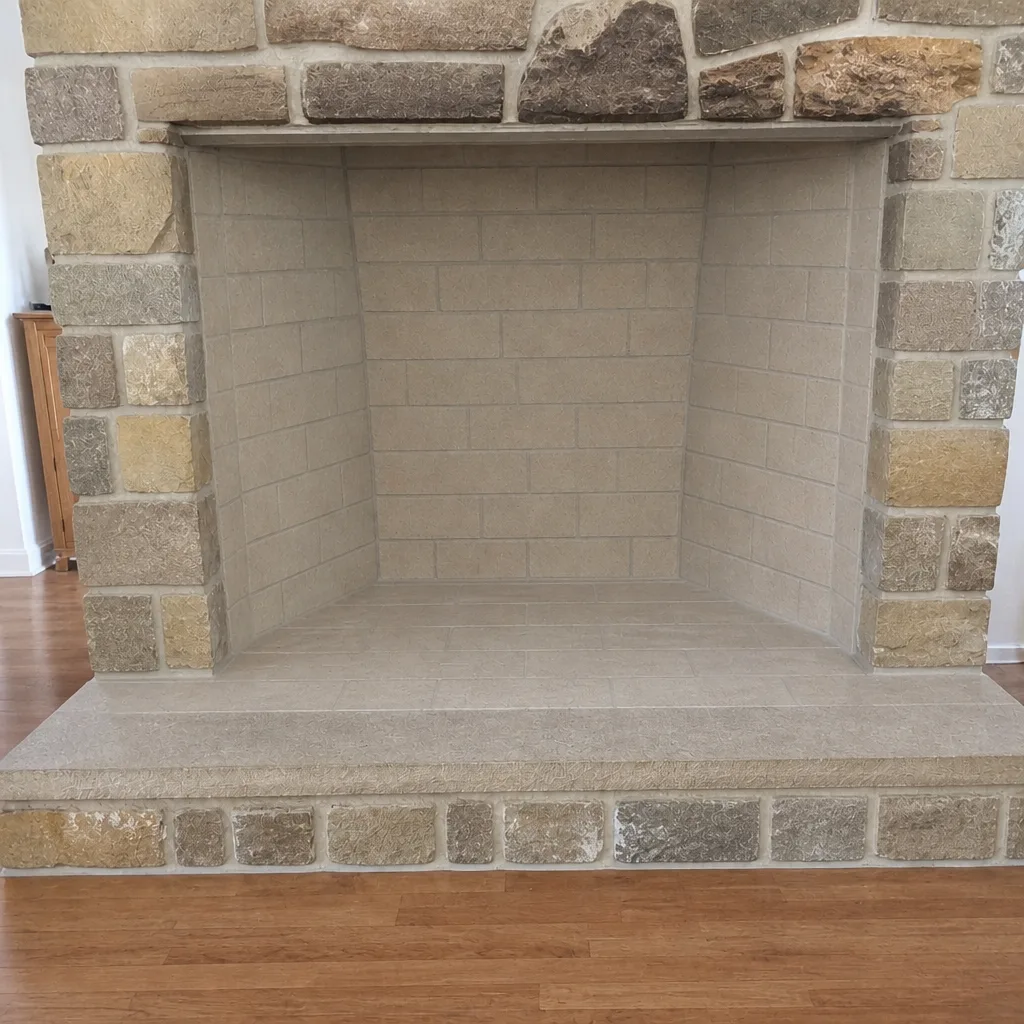
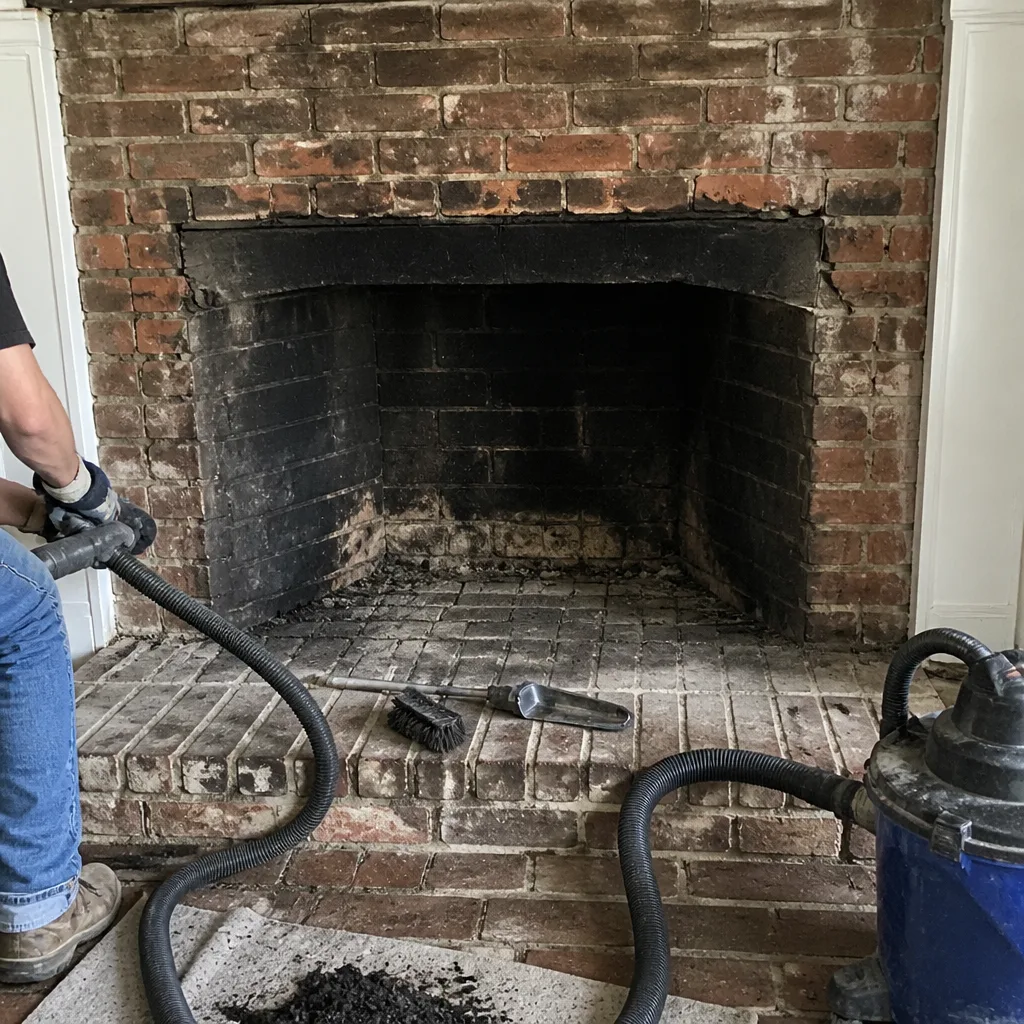
See the difference
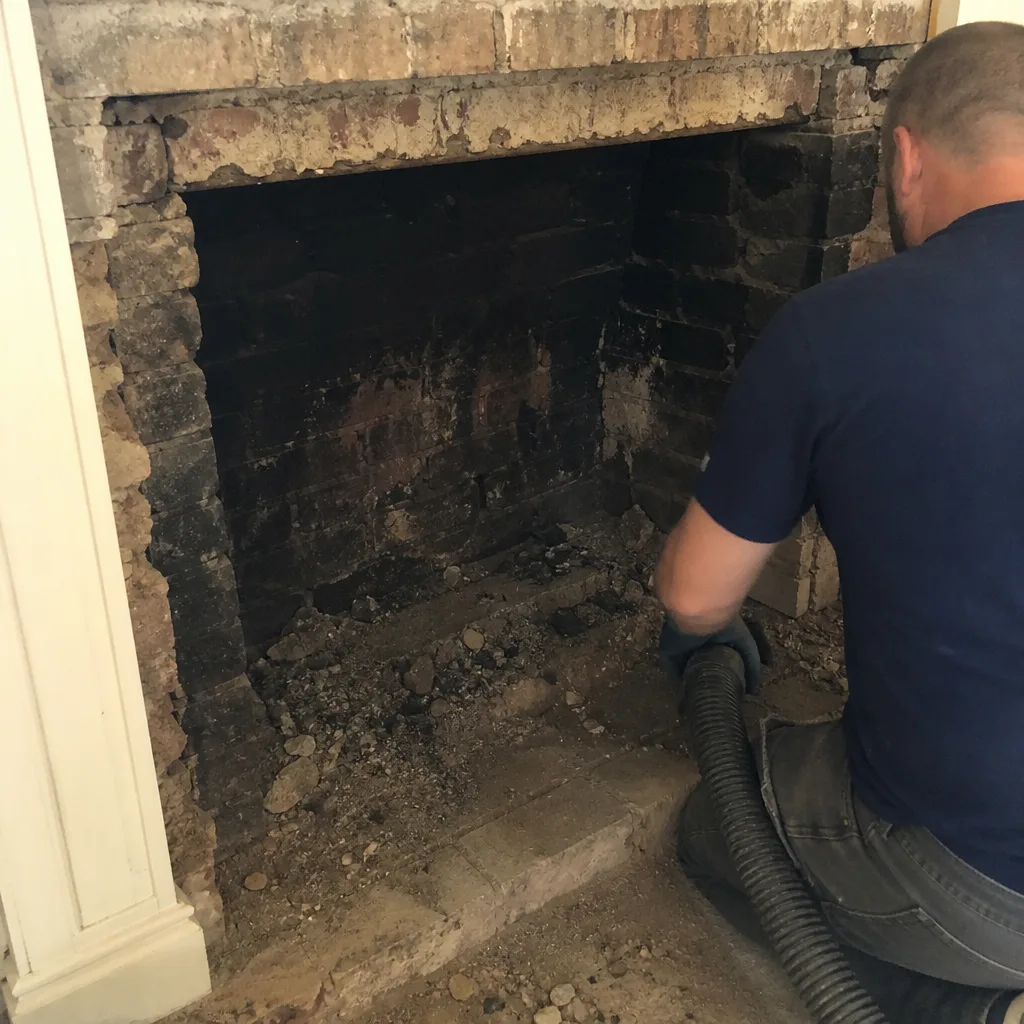 Before
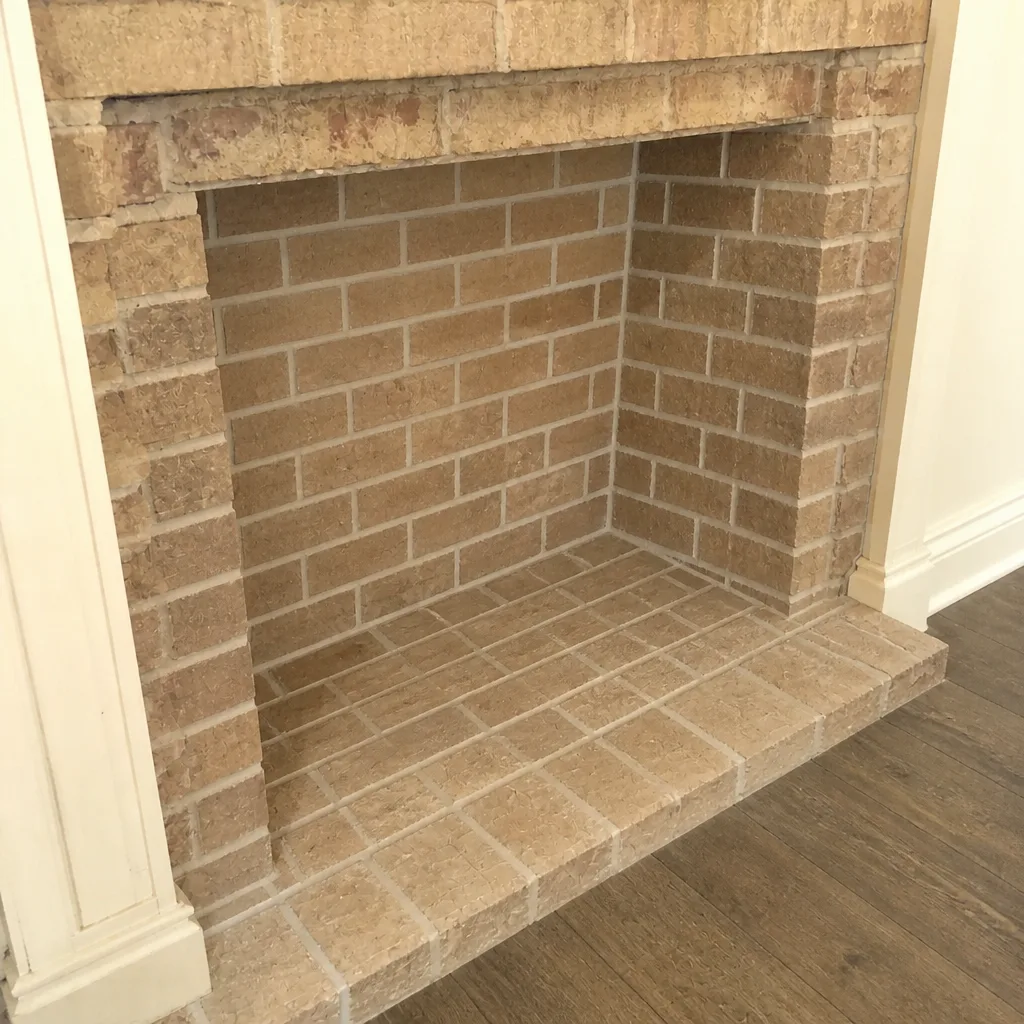 After
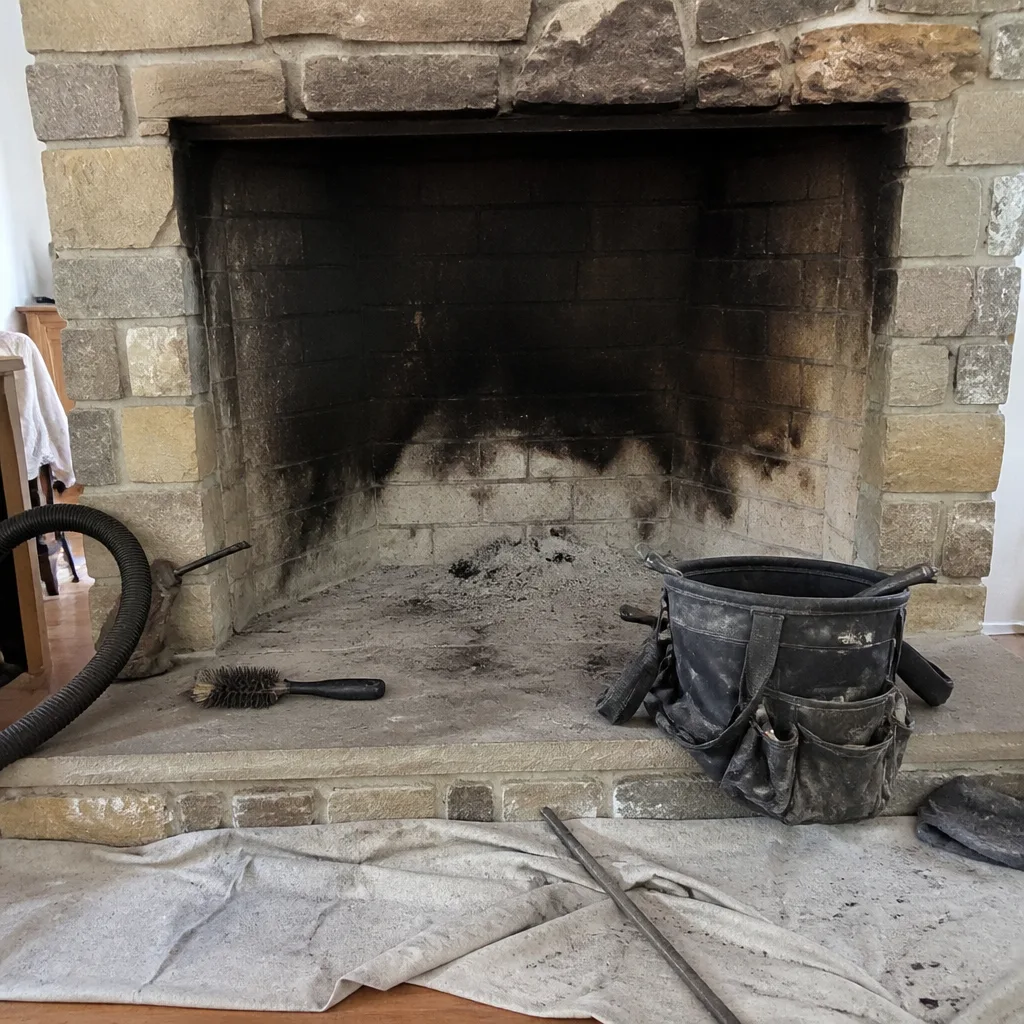 Before
 After
 Before
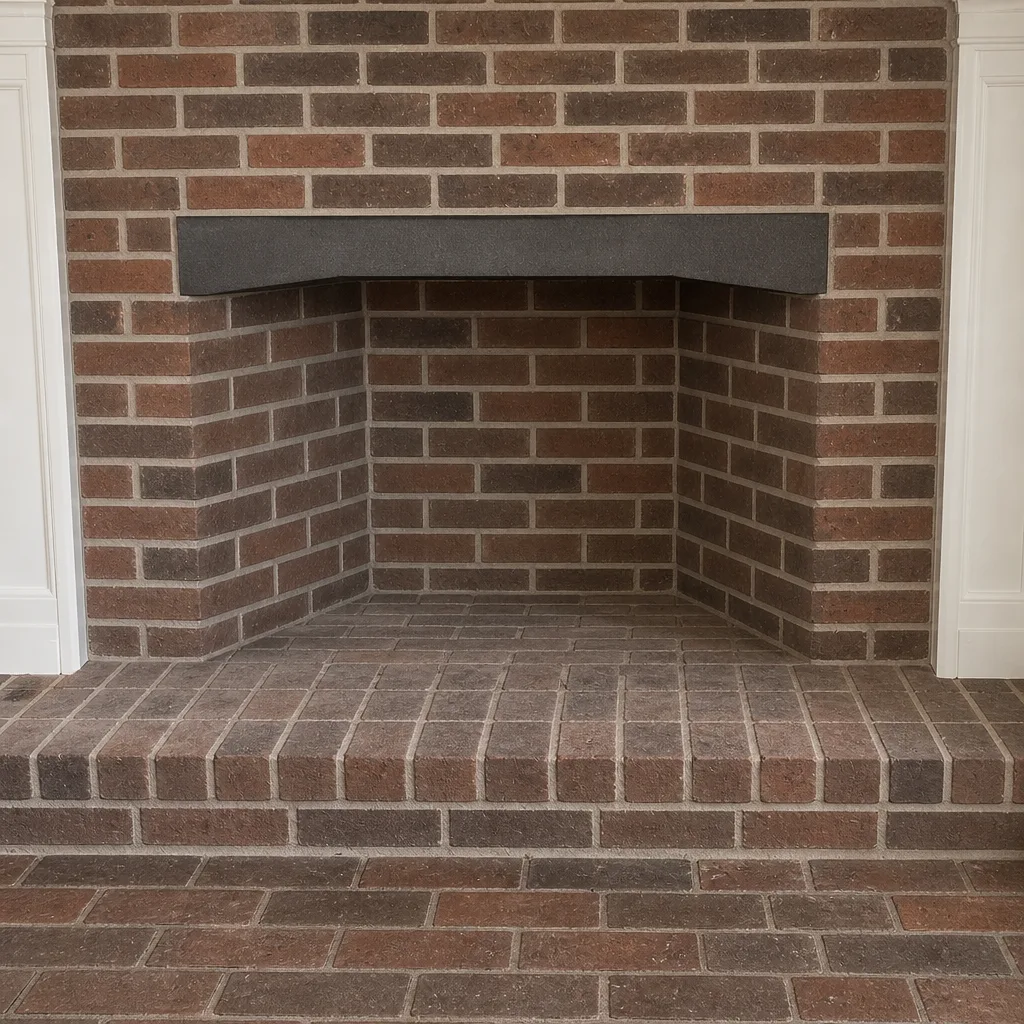 After
When to Call a Professional
Some chimney work is annual maintenance. Some of it is a call you make today. Call a professional if you haven’t had the chimney inspected in a year and you burn wood regularly, if your home inspection flagged the chimney, if you see a cracked crown or a missing cap, if smoke rolls into the room when you light a fire, if you’ve had a chimney fire (even a small one), or if you notice a strong smell from the fireplace in warm weather. Creosote and carbon monoxide are the two reasons not to delay the call, and the inspection is what tells you which risks actually apply to your system. Chimney Sweep Five Points offers free estimates in Five Points. Call (855) 658-5081. We answer 24/7. Fast dispatch from 7am to 7pm, Sunday through Friday.
If you’ve already had work done and you’re not sure it was done right, a second opinion is a reasonable call. A documented inspection gives you the evidence to compare, and a written estimate gives you a number you can evaluate. That’s what the process in this guide is built to produce.
Frequently Asked Questions
Pricing on chimney work is set per job by a written estimate, because a cleaning, a Level II inspection, and a repair are different scopes with different costs. Ask for the estimate in writing before work begins, and make sure it separates cleaning from inspection and any repair recommendation. Call (855) 658-5081 for an exact quote; estimates are free.
Sometimes yes, often no. A deteriorating flue can sometimes be restored with a resurfacing system such as HeatShield rather than a full liner replacement, and a company that carries both options can tell you which applies to your flue. Ask for the photos behind any liner recommendation, and ask whether resurfacing is an option. Call (855) 658-5081 to schedule an inspection; the report will show you what’s actually there.
A chimney should be inspected annually, and swept when the inspection shows enough creosote buildup to warrant it. If you burn wood regularly through the heating season, plan on a yearly inspection and clean as needed. Homes that burn occasionally may go longer between cleanings but still need the annual look. Call (855) 658-5081 to book an inspection before heating season.
Skipping the inspection means creosote buildup and structural wear go unobserved, and those are exactly the conditions that lead to chimney fires and carbon monoxide problems. Nothing may go wrong for several seasons, which is why the risk is easy to underestimate. The inspection is what tells you whether your system has a problem. Call (855) 658-5081 for a documented inspection and a written estimate.
No, certification is a starting point, not a finish line. It’s worth verifying through the CSIA’s records, but it doesn’t tell you whether the contractor carries professional liner and cap systems or can perform repair work in-house. Ask the product and repair questions from this guide as well. Call (855) 658-5081 to talk through what your chimney needs.
Ask what liner system the company installs, whether it offers flue resurfacing as an alternative to relining, what brand of caps and crowns it uses, whether repairs are done in-house, and what the inspection report includes. The answers tell you whether you’re hiring a full-system specialist or a sweep-only crew. If you want a straight answer to any of these, call (855) 658-5081. We answer 24/7. Fast dispatch from 7am to 7pm, Sunday through Friday.
You can, but only if all three actually inspected your chimney to the same level. If two of the three are sweep-only crews, they may miss problems the third company found, and the cheapest quote can simply reflect the shallowest look. Compare the findings and the recommended scope first, then the price. Call (855) 658-5081 for a documented estimate you can compare against the others.
The Bottom Line
Hiring a chimney contractor in Five Points comes down to verification, not credentials alone. A CSIA certification tells you a baseline exists. The questions that matter are about materials, repair capability, and documentation. Ask what liner system a company installs, whether it offers resurfacing, what brand of caps and crowns it uses, and whether repairs happen in-house. Confirm insurance and licensing. Insist on a written inspection report with photos. Compare scope before price, and be wary of hazard claims without evidence. The right contractor will welcome every one of those questions, because the answers are the reason to hire them. If you’re ready to start a documented inspection, Chimney Sweep Five Points offers free estimates. Call (855) 658-5081. We answer 24/7. Fast dispatch from 7am to 7pm, Sunday through Friday. From cap to firebox, we inspect before we recommend.
Written by the team at Chimney Sweep Five Points.