
Last updated November 23, 2026
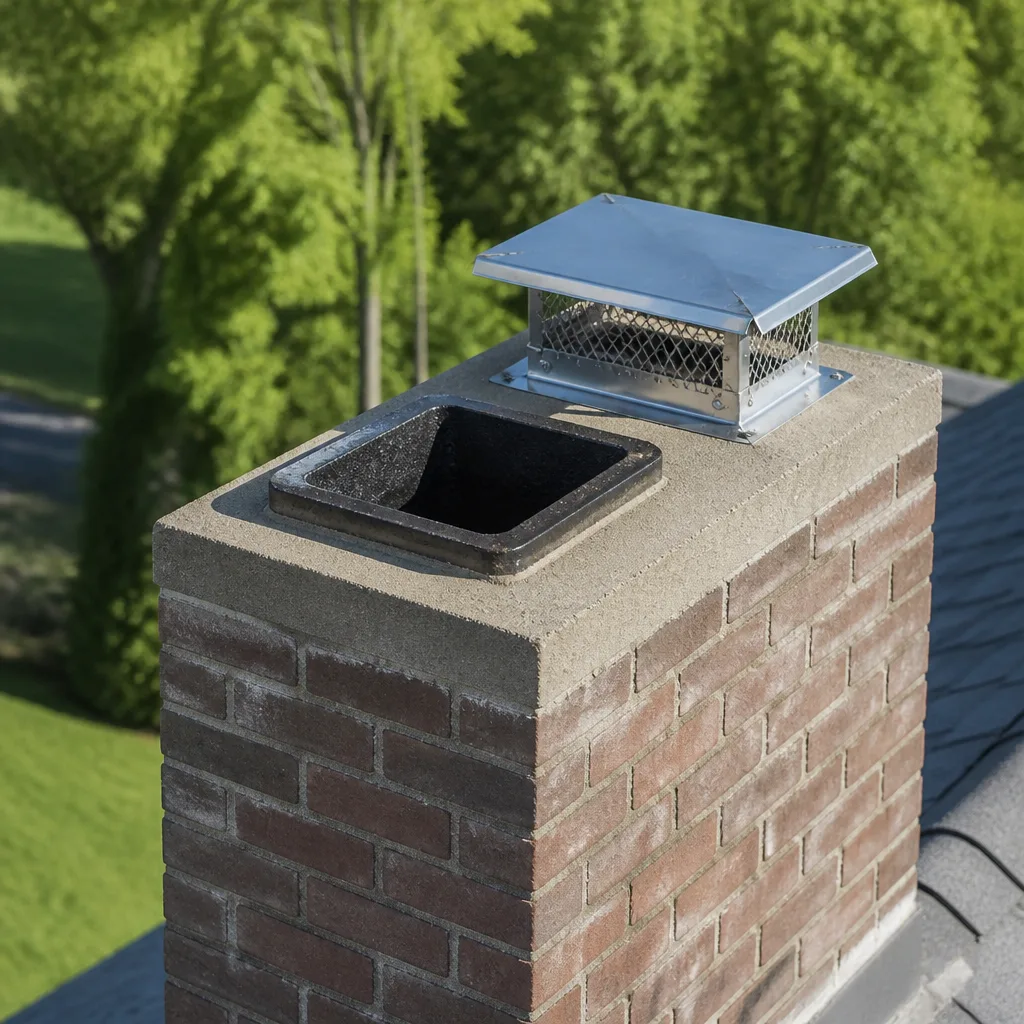 Sweep & inspection
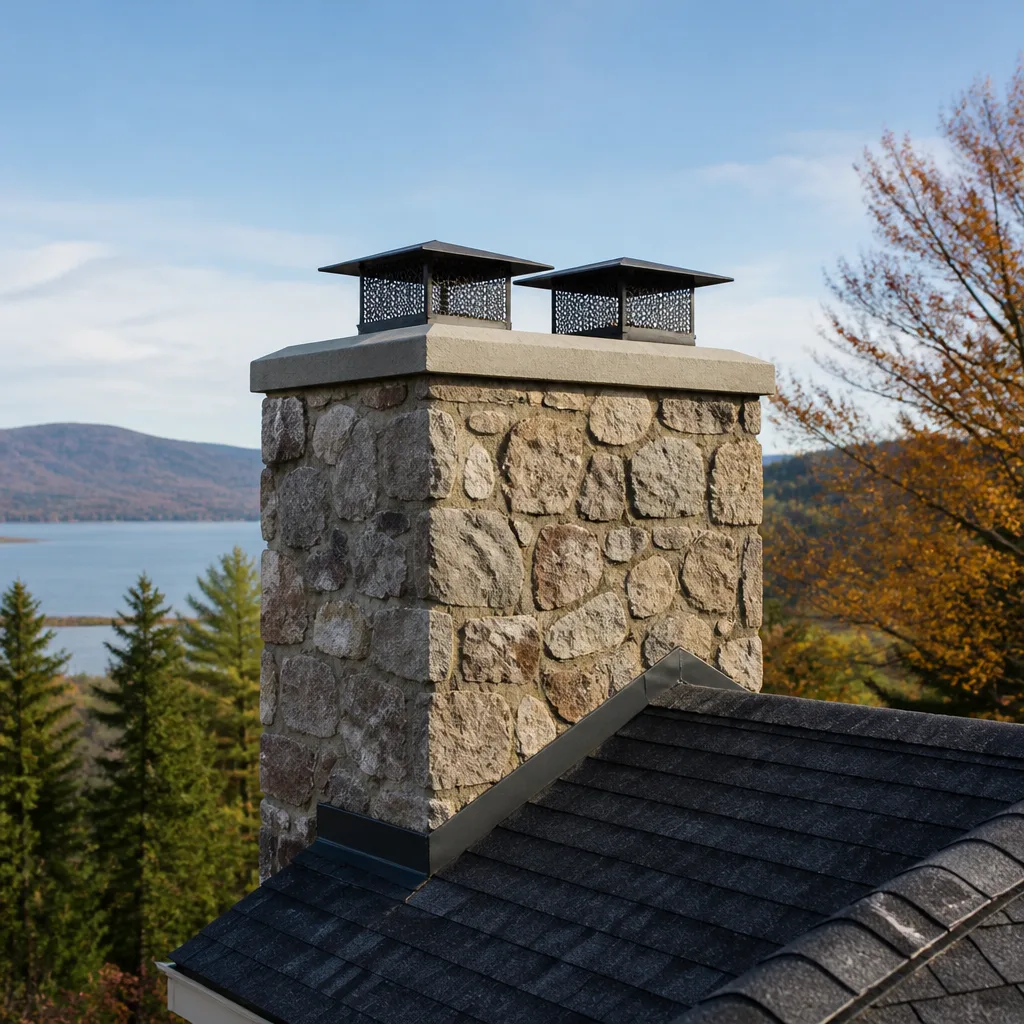 Caps & crowns
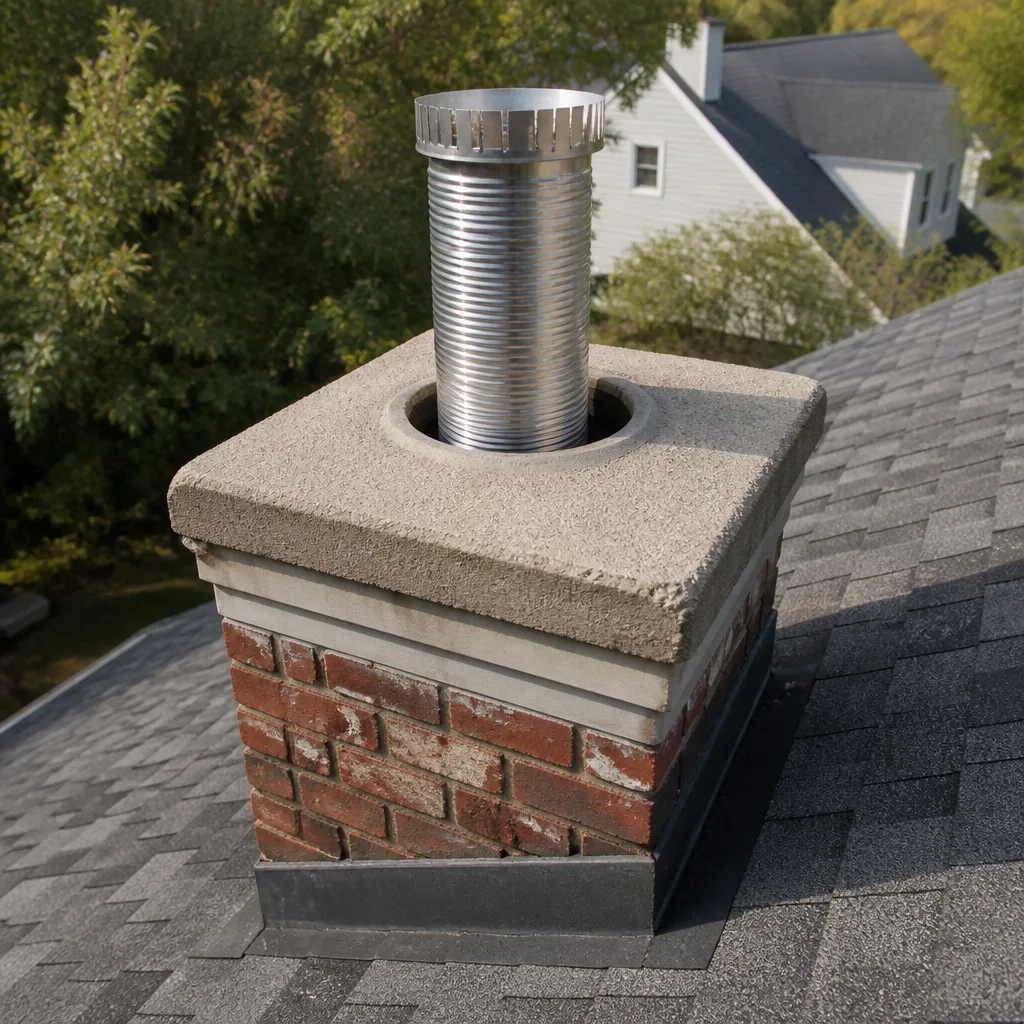 Flue relining
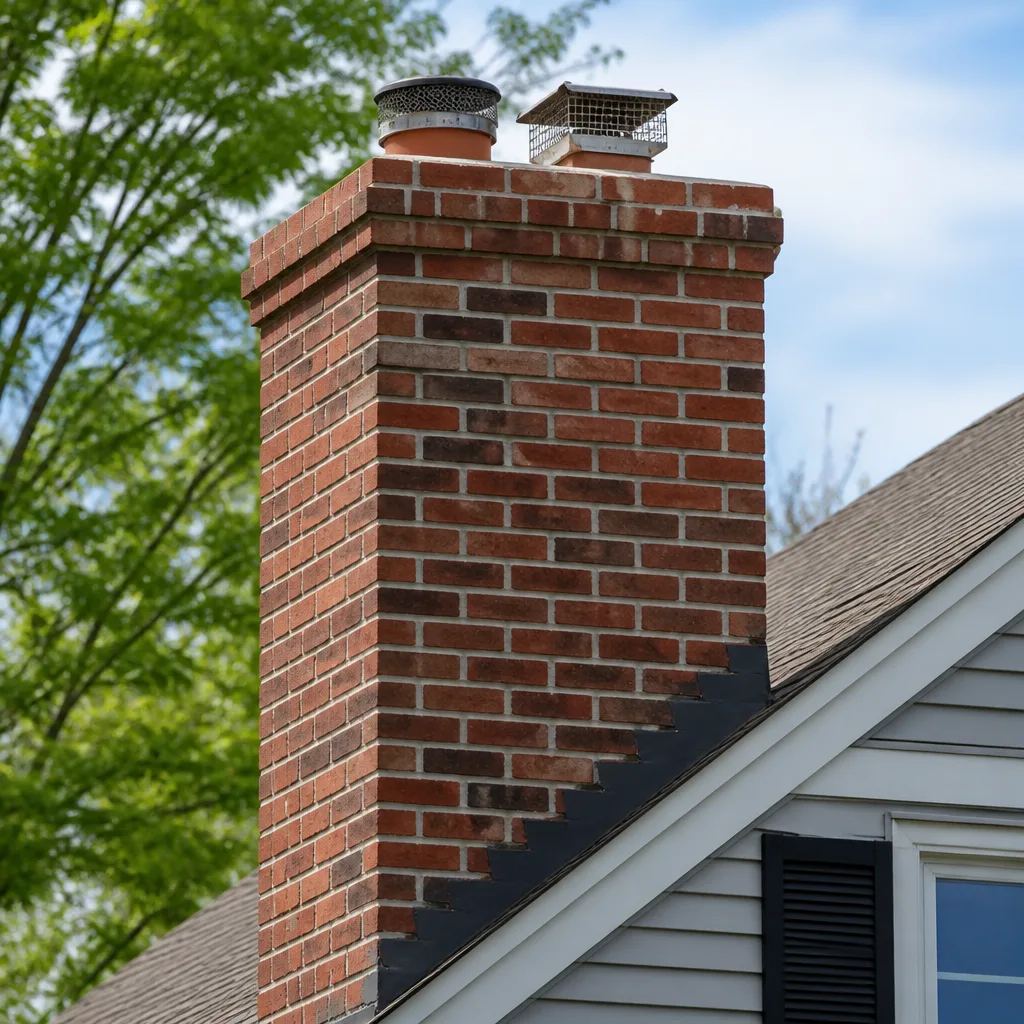 Masonry repair
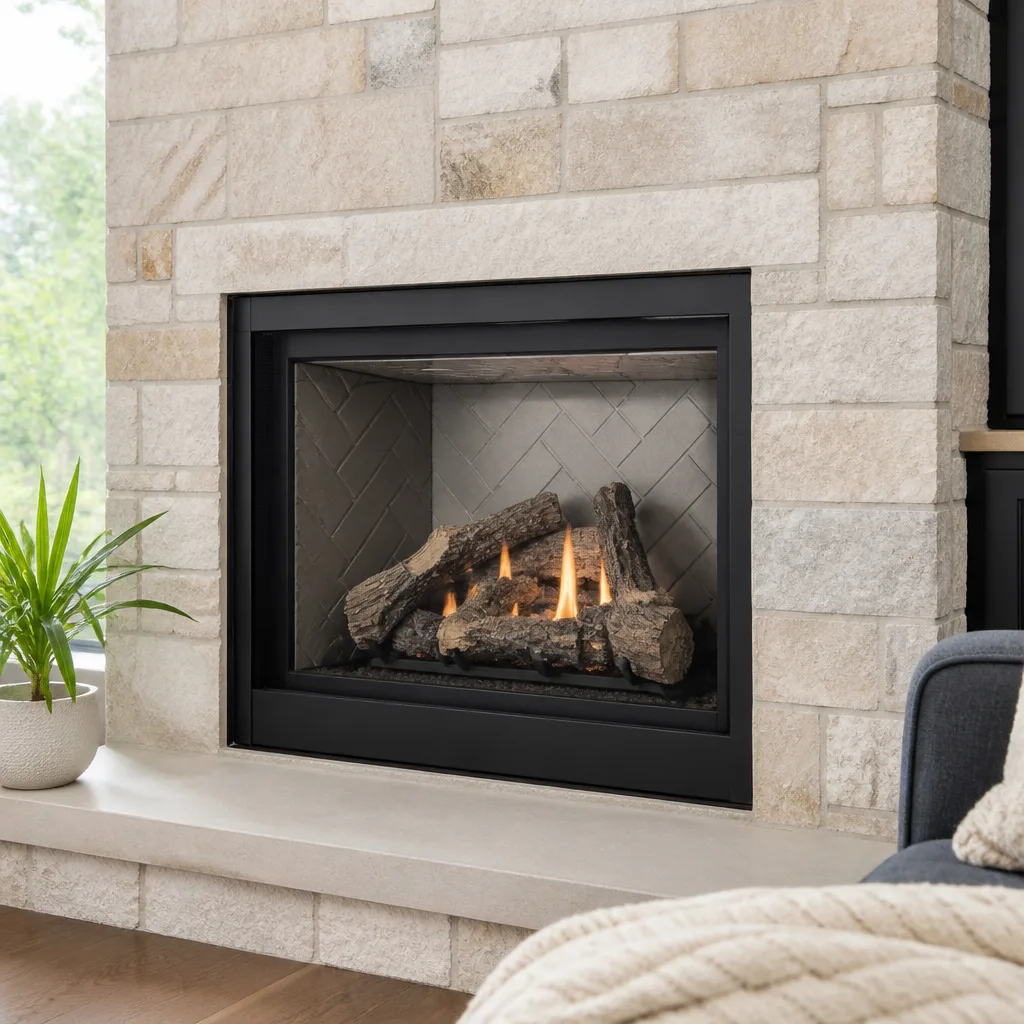 Gas fireplace service
Level 1 sweep and inspection to the NFPA 211 annual standard - flue, crown, cap, and flashing checked and photographed
Chimney sweep logs do not sweep chimneys. They loosen some creosote - which then falls where a brush and vacuum still have to collect it.
Chimney Cleaning Emergency Preparedness Guide for Five Points Homes
A chimney fire doesn’t always announce itself with visible flames. A low rumbling sound, a sudden smell of hot metal, or draft reversal in a fireplace you’ve used all season are the signs most homeowners miss until the fire is established in the flue wall. The dramatic version with roaring and sparks gets called in immediately. The slow-burn version smolders quietly for an hour or more, cooking the masonry from the inside. This guide covers the window most preparedness advice skips: the 72 hours before and after a chimney emergency, how to catch a developing problem, what to do in the first hour, and what to tell your insurer. It’s written for Five Points homes with active fireplaces, because that’s who we work with every heating season.
Quick Answer
If you suspect a chimney fire in your Five Points home, get everyone outside and call 911 the moment you see flames, smoke entering the room, or a chimney glowing red. For a low rumble or hot-metal smell with no visible fire, close the firebox doors, shut the damper, evacuate, and call 911 anyway. After any chimney fire event, the flue must be evaluated by a professional before you burn again. The 72 hours before that emergency matter just as much as the fire itself: annual inspection and sweeping are what keep a creosote-loaded flue from igniting in the first place.
Styles & brands we work with
- Sweep & inspection
- Caps & crowns
- Flue relining
- Masonry repair
- Gas fireplace service
Table of Contents
- How Do You Recognize a Chimney Fire in a Five Points Home?
- What Should You Do in the First 10 Minutes of a Chimney Fire?
- Slow-Burn versus Dramatic Fires: Why the Quiet Ones Do More Damage
- What to Document for Your Insurance Adjuster After a Chimney Fire
- Is Your Chimney Safe to Use After a Fire Event?
- Which Preventive Investments Actually Reduce Chimney Fire Risk?
- When Should Five Points Homeowners Schedule a Sweep?
- Common Mistakes to Avoid
How Do You Recognize a Chimney Fire in a Five Points Home?
Chimney fires come in two personalities: the loud one and the quiet one. Most Five Points homeowners have heard of the loud one. Far fewer know how to spot the quiet one, which is why it does more damage before anyone acts. Recognizing either comes down to sound, smell, and what the chimney itself is doing during and after a burn.
A dramatic chimney fire announces itself. You may hear a roar like a freight train or a low-pitched rumble that seems to come from inside the walls. Sparks or flames may show at the chimney top. The stovepipe or masonry may glow. There may be a smell of hot metal, and the damper or chimney top can vibrate. Those are unmistakable signals, and they warrant a 911 call without hesitation.
A slow-burn chimney fire is subtler. In our experience, the signs that get ignored most often are:
- A rumble or popping sound you can’t quite place, sometimes described as distant thunder inside the chimney.
- A smell of hot metal or a sharp, acrid odor that lingers after the fire is out.
- Draft reversal: the fireplace stops drawing well and smoke backs into the room even with a normal fire.
- Discolored or warped metal on the damper or stovepipe, or cracks appearing in masonry that weren’t there before.
- Creosote flakes or pieces of masonry found on the roof or in the firebox after a burn.
Five Points sits in a climate with real heating seasons and cool, damp winters. Damp wood and smoldering fires build creosote faster than dry wood and hot fires. That’s the soil that slow-burn chimney fires grow in. When a few of these signs stack up, it’s time to stop guessing and get a professional evaluation. We inspect before we recommend because the honest starting point is looking inside the flue, not selling a repair.
What Should You Do in the First 10 Minutes of a Chimney Fire?
The first ten minutes decide how much a chimney fire costs you in damage and in insurance friction. The most dangerous instinct is to fight the fire inside the firebox. Chimney fires need oxygen and fuel; your job is to remove both from the equation at the firebox and get people out.
Here’s the sequence we walk Five Points homeowners through:
- Get everyone out first. No exceptions, no “let me check the roof.” Move people, pets, and anyone with mobility needs to a safe distance from the house.
- Call 911. If you see flames, smoke entering the room, or a glowing chimney, call immediately. If you only suspect a fire (rumble, hot smell, draft reversal), call anyway and let the dispatcher help you assess. Fire departments would rather respond to a false alarm than a spread.
- Close the firebox doors and shut the damper if you can reach it safely. This starves the fire of the air it pulls from the room. Do this only if it takes seconds and doesn’t put you in smoke.
- Do not throw water into a hot chimney. Thermal shock can crack masonry or a liner, and a steam flash can injure you.
- Do not spray water on the roof or chimney exterior. It won’t reach the fire and it can damage the crown and cap.
- Wait for the fire department and give them clear information. Tell them what you saw and heard, when you last swept the chimney, and what you’ve burned this season.
When not to call 911: there isn’t a good reason to skip it if any of the signs above are present. When to call without hesitation: visible flame, smoke in the room, glowing or discolored metal, or a strong rumbling. The dispatcher’s job is to help you sort out the ambiguous cases.
Slow-Burn versus Dramatic Fires: Why the Quiet Ones Do More Damage
Dramatic chimney fires are noisy, obvious, and usually caught fast. Slow-burn fires smolder in the flue for far longer, heating the masonry and liner in a sustained way that cracks tile, warps dampers, and degrades mortar joints. The quiet fire often burns itself out while the homeowner assumes the smell was “just the wood.” By the time the damage is visible, the flue lining may already be compromised.
The structural difference matters for Five Points homes, many of which have older masonry chimneys with clay tile flues. Clay tile doesn’t tolerate repeated thermal cycling the way a modern liner does. Slow-burn fires create exactly that cycling: heating, cooling, heating again, over hours. The result is often hairline cracks that let heat and carbon monoxide pass where they shouldn’t.
In our experience, the homes that call us after a dramatic fire tend to need less structural work than the homes that call us two weeks after a smell that “went away.” Here’s how the two compare:
- Dramatic fire: loud, obvious, often caught fast; damage shows up as visible spalling, warped dampers, and cap damage.
- Slow-burn fire: subtle, sometimes missed entirely; damage accumulates as cracked tiles, failed mortar joints, and compromised liners that can only be confirmed with a camera inspection.
This is why we insist on a proper inspection after any suspected event. A chimney that looks fine from the roof can have a flue wall that’s already lost its integrity. The full-system approach matters here: we look from cap to firebox, not just at the firebox. A chimney sweep visit is the honest way to find out what actually happened inside the flue.
What to Document for Your Insurance Adjuster After a Chimney Fire
Insurance adjusters need evidence, not impressions. The documentation that protects your claim is the same documentation that guides a proper repair: photos, dates, receipts, and a professional inspection report. If you fumble this step, a legitimate claim can get delayed or reduced even when the fire was clearly a covered event.
Here’s what we tell Five Points homeowners to gather, ideally before the adjuster arrives:
- Photos of the exterior and interior damage taken before anything is cleaned or repaired. Include the chimney top, the firebox, the damper, and any smoke staining.
- The fire department’s incident report or the reference number from their response.
- A timeline of when the fire happened, what you observed, and when you called 911.
- Prior maintenance records, including any sweep or inspection receipts. These show a maintained system and strengthen the claim.
- A professional Level II inspection report with photos of the flue interior. This is the single most important document in most chimney fire claims, because it shows the actual condition of the flue lining.
- Any prior contractor estimates if work was already underway or recommended.
What to tell the adjuster: describe what you observed, when, and what’s been done since. Don’t speculate about the cause if you’re unsure. Don’t clean up the evidence before photos are taken. And don’t sign off on a settlement until a professional has evaluated the full flue. In our experience, the claims that resolve cleanly are the ones where the homeowner has an honest inspection report and the adjuster has something concrete to work from. A Chimney Sweep Five Points visit after the fire department clears the house gets you that report quickly.
Is Your Chimney Safe to Use After a Fire Event?
No chimney should be used after a fire event until it’s been professionally evaluated. That’s the short answer, and it holds whether the fire was dramatic or a suspected slow burn. The long answer is about what “evaluated” actually means and when work can safely wait.
A safe return to use depends on the flue’s condition after the heat cycle. Signs it must be professionally evaluated before any further use:
- You saw flame, sparking, or a glowing chimney during the event.
- You smell hot metal or acrid smoke long after the fire is out.
- You find creosote flakes, masonry pieces, or damaged cap components on the roof.
- Smoke backs into the room when you test a small fire.
- The fire department recommended inspection after they cleared the scene.
When work can safely wait: if you’ve had no signs at all and want an annual inspection before the next heating season, that’s a normal scheduled visit. But “no visible damage” is not the same as “safe to use.” The damage that matters for a slow-burn fire is usually inside the flue, where you cannot see it and where a camera inspection can. That’s the difference between a gut feeling and a real answer.
If the flue is damaged, one of the decisive factors is whether the masonry is still structurally sound. When the flue is sound but the surface is deteriorated, HeatShield resurfacing can restore the interior without a full replacement. When it’s not sound, a liner replacement may be the correct answer. A fireplace repair visit can also address damaged firebox panels, dampers, and hearth cracks that showed up after the event. We restore before you replace whenever the materials make it a safe option.
Which Preventive Investments Actually Reduce Chimney Fire Risk?
The investments that most directly reduce chimney fire risk are the ones aimed at creosote accumulation, uncontained heat, and water intrusion. That means annual sweeping, a proper cap and crown, and repairs to a damaged flue surface when they’re still small. Generic advice about “keeping your chimney clean” undersells it: the materials you install matter as much as the habit.
Here are the product categories that matter, and why:
- Liners. A properly sized, well-installed liner keeps heat contained and protects masonry from the thermal cycling that slow-burn fires exploit. A premium flexible liner like DuraFlex is the right choice for complex flues and offset configurations that cheaper liners can’t navigate cleanly.
- Flue resurfacing. HeatShield isn’t a cosmetic patch. It’s a structural resurfacing method that can seal a deteriorated flue wall and restore some life without a full reline. That’s a repair path worth asking about before you accept a replacement quote.
- Caps and crowns. A cap keeps water, animals, and debris out of the flue; a sound crown sheds water away from the masonry. Both matter for the water damage that softens mortar and creates paths for heat to escape. Gelco and Olympia Chimney are dedicated chimney components, not hardware-store substitutes.
- Specialty supplies. Copperfield specialty chimney supplies are used by professional trades across North America and hold up to the temperature swings of a real heating season better than consumer-grade alternatives.
What doesn’t reduce risk: skipping sweeps because the fire “burns clean.” Every season deposits something. The chimney cap & crown work is also worth prioritizing before fall, because a missing cap is one of the fastest ways to turn a small problem into a structural one. We answer 24/7 for questions between scheduled visits, and our technicians have up to 12 years of experience with these systems on Five Points homes.
When Should Five Points Homeowners Schedule a Sweep?
Schedule the sweep in late summer or early fall, before the first real burn of the season. If you’re reading this in the middle of heating season with an active fireplace, schedule now: an annual sweep is the single most reliable way to keep creosote from reaching the stage that supports a fire.
Five Points’ climate gives you a clear signal. The cooling season ends and the burning season starts, and most homeowners here burn wood for several months. That’s plenty of time for a creosote layer to build up if the chimney hasn’t been swept recently. Two categories of homes need attention sooner:
- Homes with a Level II flag from a home inspection. That document is telling you something specific happened in the flue, and it’s worth confirming with a camera before you burn again.
- Homes with a visible issue. A cracked crown, a missing cap, a smoky fireplace on a normal burn, or creosote flakes in the firebox. Each of these is a “sooner” invitation, not a “next season” one.
If the last sweep was more than a year ago and you burn regularly, book it. If you’re unsure whether your chimney has ever been swept, treat it as unswept. The cost of an annual sweep is far less than the cost of a fire event, and a proper inspection tells you honestly which of your chimney’s issues are urgent and which can wait.
If you’re in Five Points and want a fixed scope of work rather than a vague commitment, ask for the inspection first. Nothing gets recommended without camera evidence you can see for yourself, and the local professional we connect you with is licensed and insured as their state requires. The written estimate sets the final price.
Common Mistakes to Avoid
- Treating a quiet chimney as a safe chimney. The absence of roaring flames doesn’t mean nothing happened. A slow-burn fire can smolder in the flue for hours, and the visible aftermath is often nothing until you look inside with a camera.
- Burning before the flue is evaluated after an event. This is the most common way a manageable repair becomes a major one. The flue must be inspected after any chimney fire before you light another fire.
- Relying on a chimney cap that isn’t installed correctly. A cap that fits poorly lets water into the crown and flue, softening mortar and creating exactly the conditions a chimney fire exploits. Gelco, Famco, and Olympia Chimney components exist for a reason; hardware-store caps often don’t hold up to a full heating season.
- Skipping the camera inspection. A visual check from the firebox can miss a crack high in the flue. In our experience, most genuine flue problems show up in camera evidence, not in what a flashlight can reach.
- Assuming a “clean burn” means no sweep needed. Every season deposits something in the flue. Sweeping removes the layer that supports a fire, regardless of how it looks from the firebox.
- Cleaning up damage before documenting it. If you’re filing a claim, photos of the damage as it was found matter. Cleaning first can cost you the evidence the adjuster needs.
- Accepting a full reline quote before asking about resurfacing. HeatShield resurfacing can restore a deteriorated flue when the masonry itself is still sound. It’s worth asking whether the material solution fits your flue before you accept a full replacement.
- Putting off repairs because the fire “went out on its own.” A fire that went out is still a fire event. The damage is what the heat did to the lining, and that doesn’t heal when the flame does.
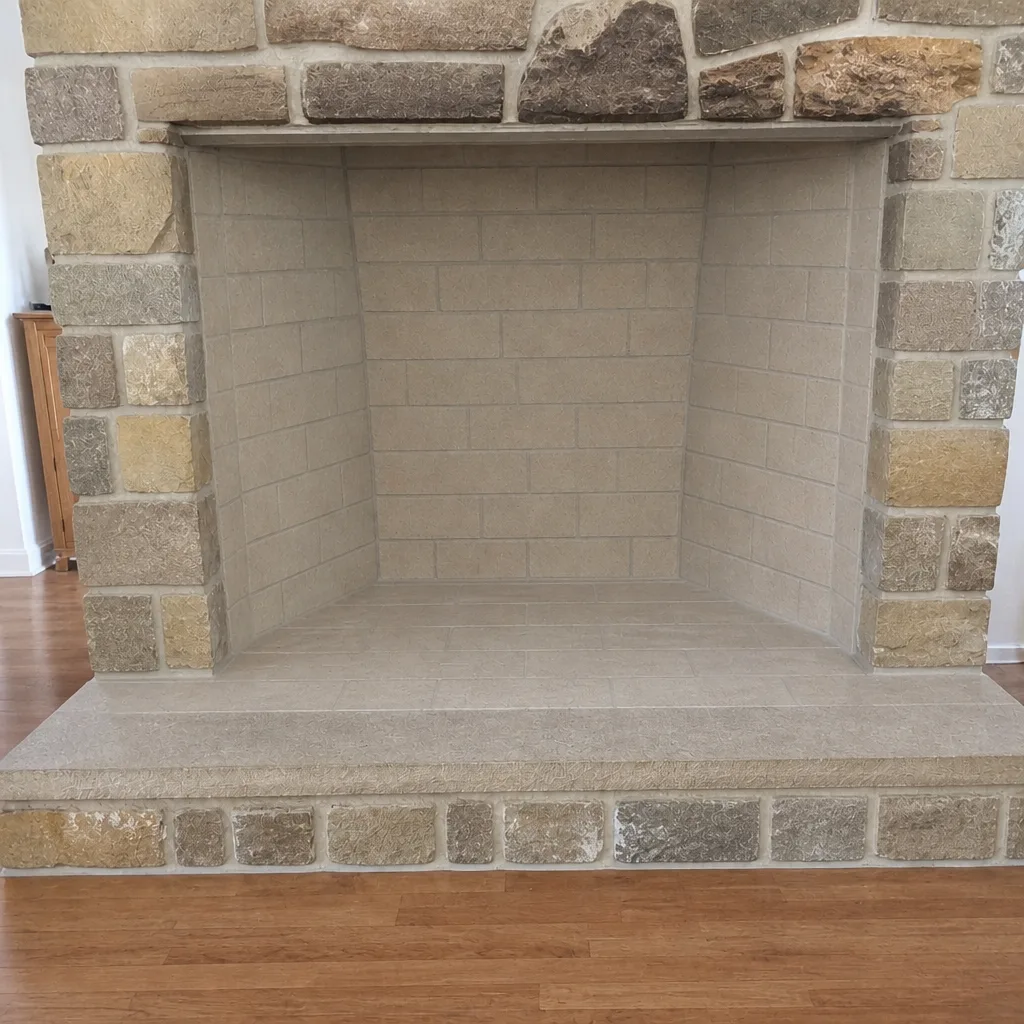
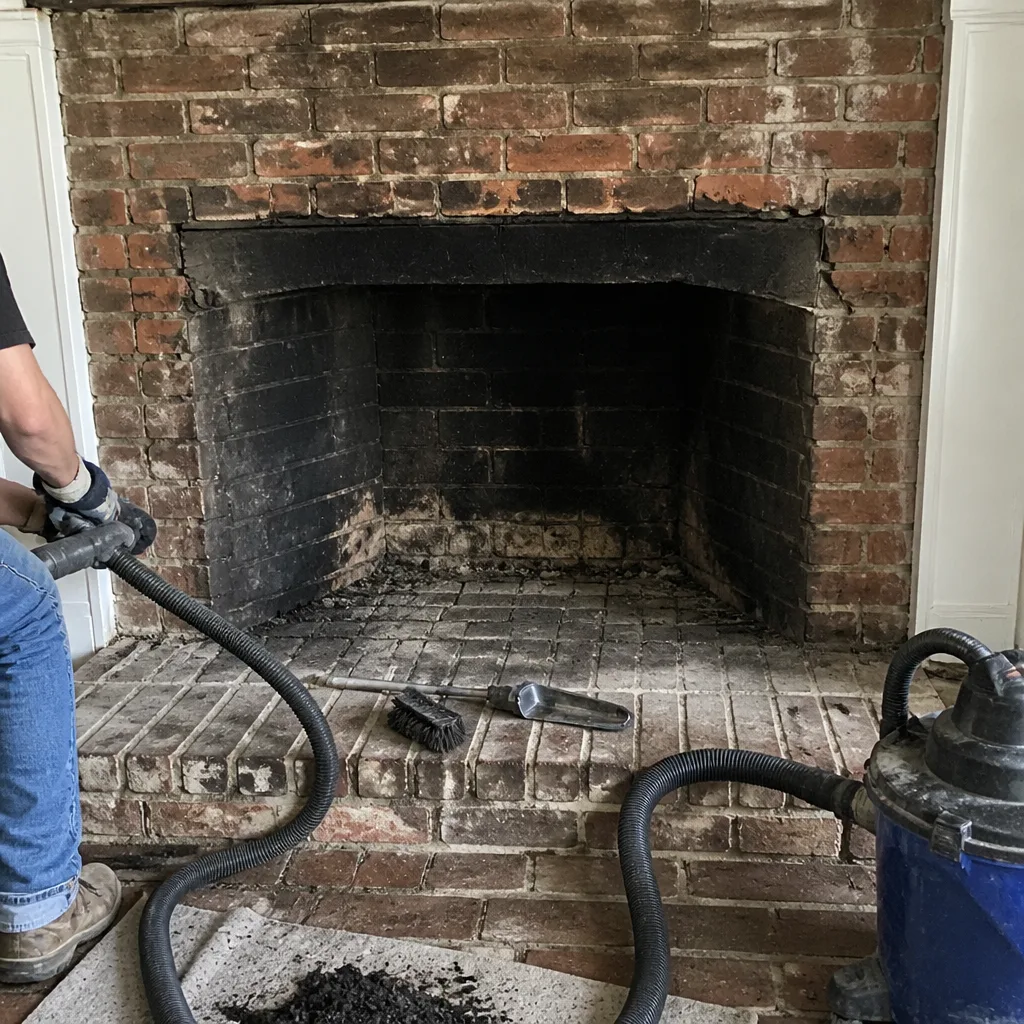
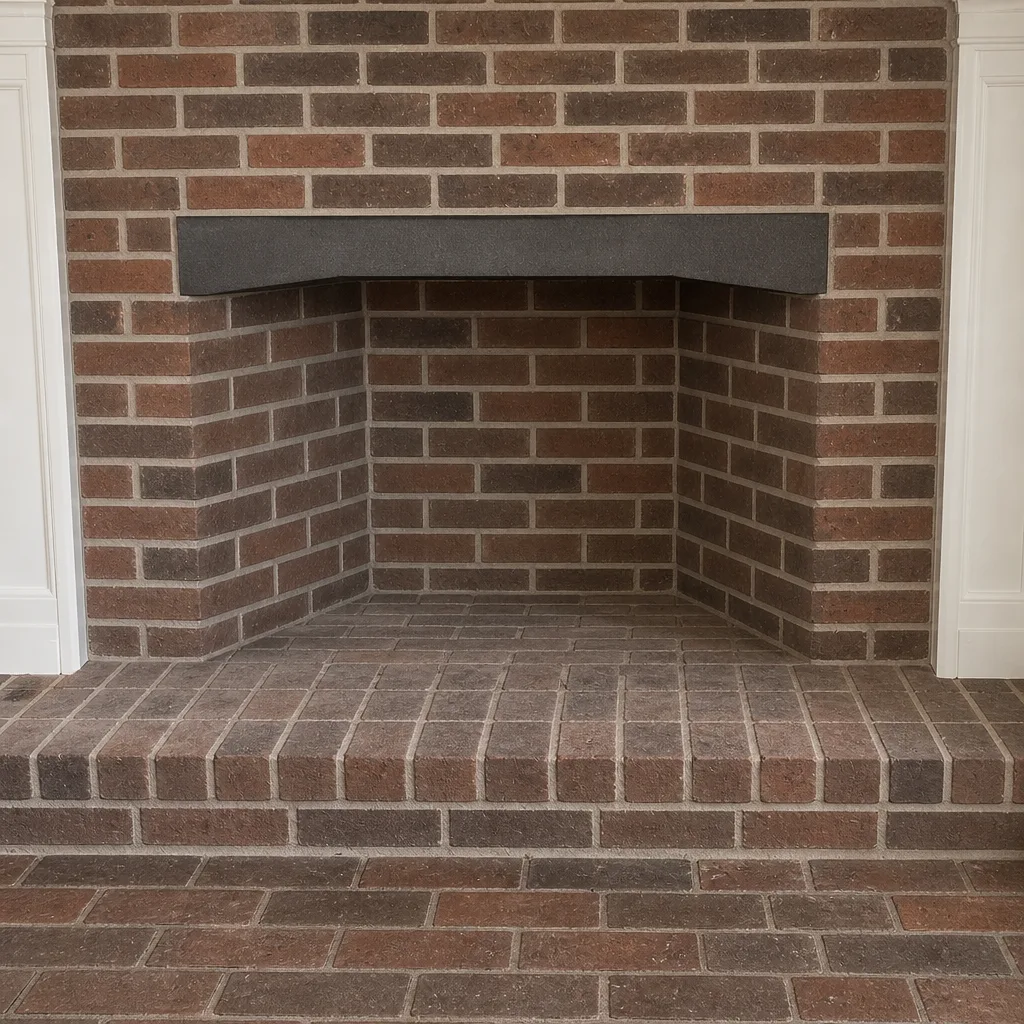
See the difference
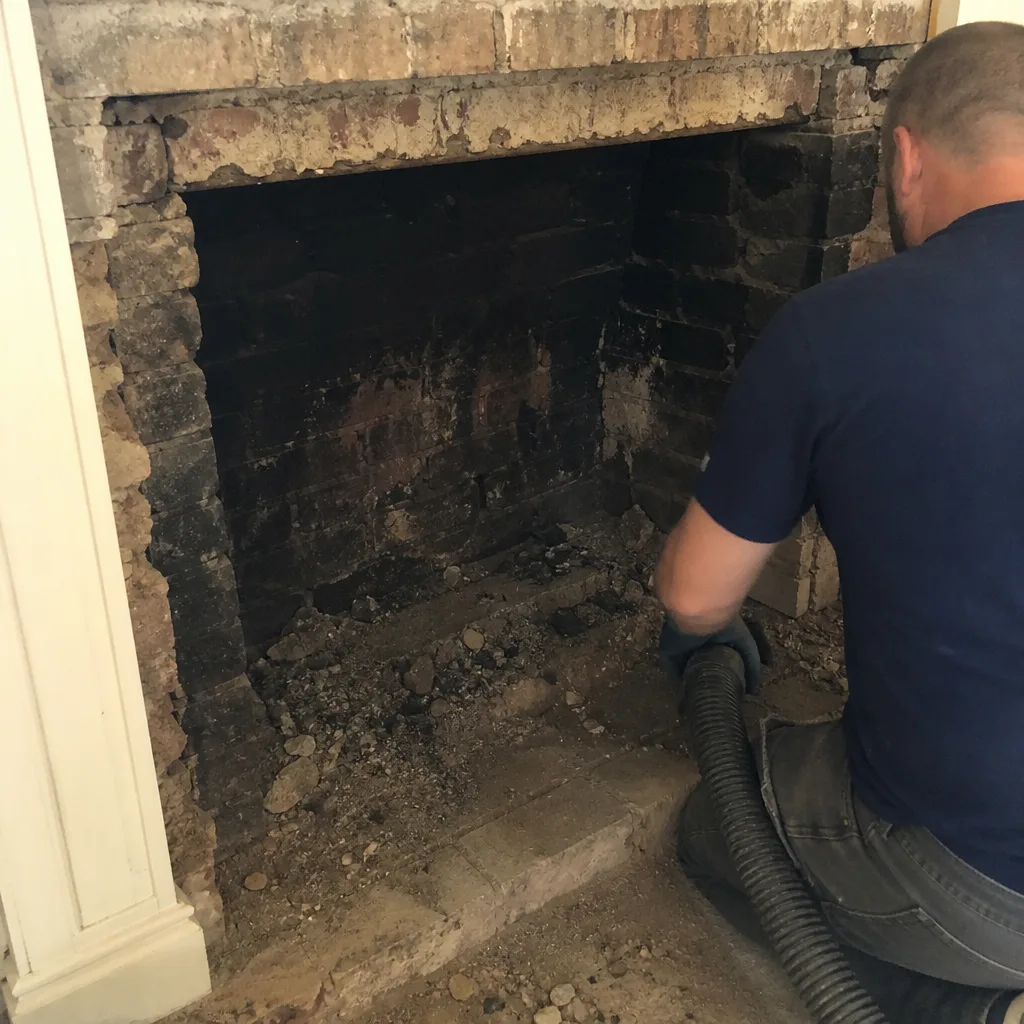 Before
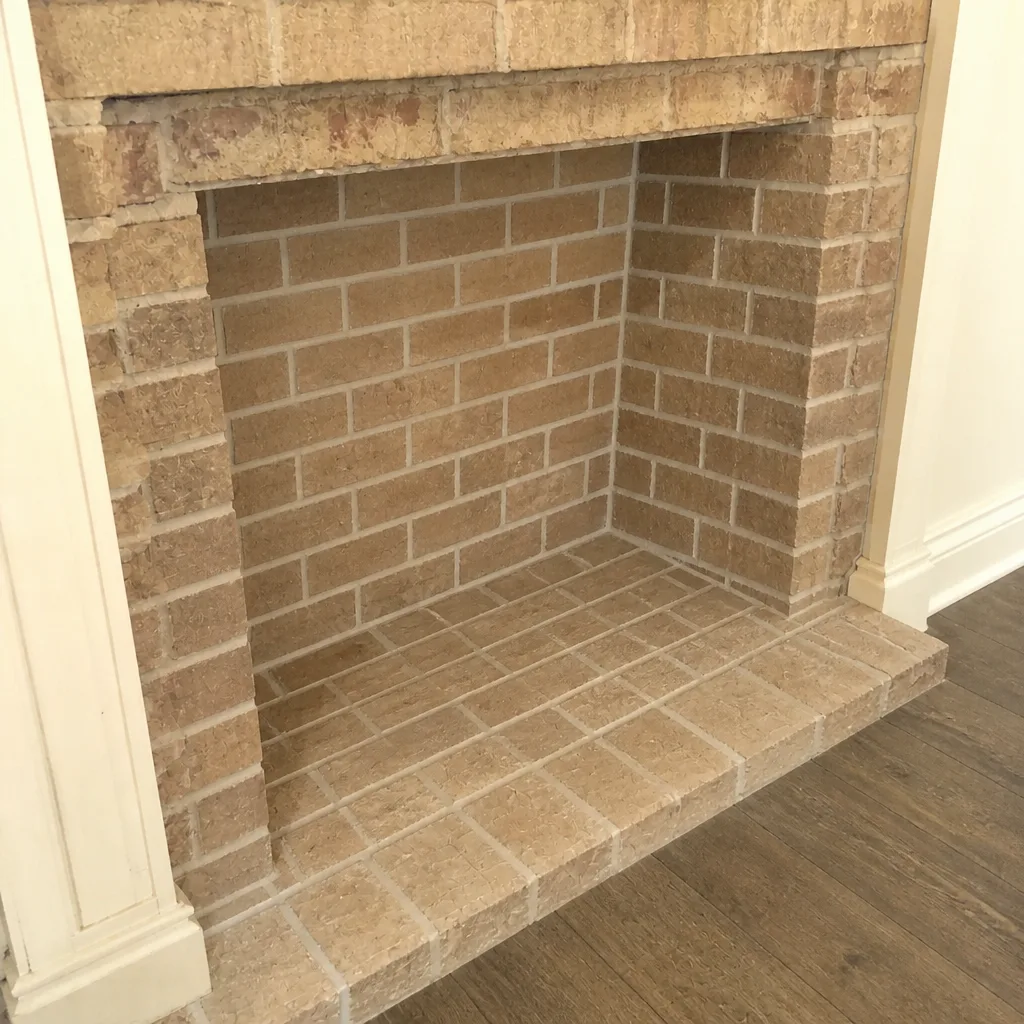 After
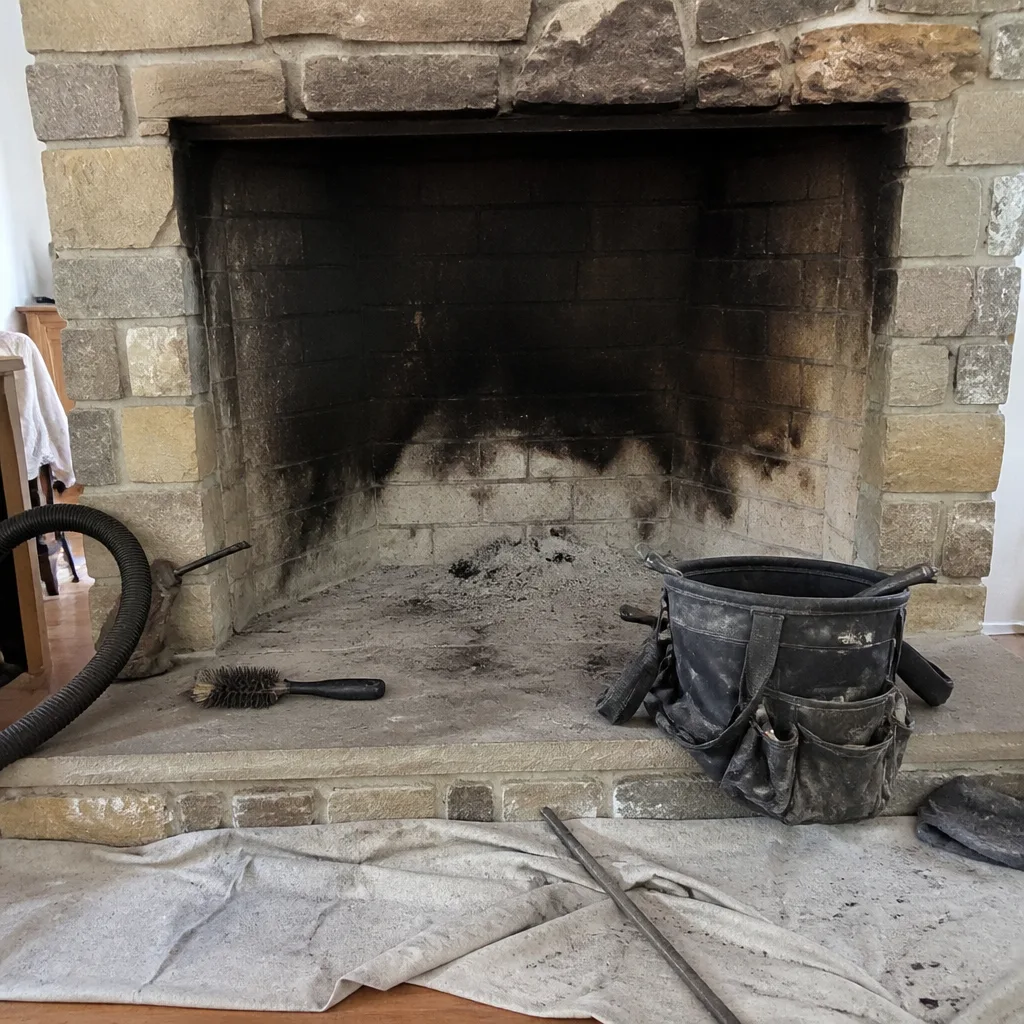 Before
 After
 Before
 After
When to Call a Professional
Call a professional immediately after any chimney fire event, even one that seems minor. Call sooner if you’ve noticed a rumble, a hot-metal smell, draft reversal, creosote flakes in the firebox, or a smoky fireplace on a normal burn. Call before the next heating season if your last sweep was more than a year ago, if a home inspection flagged the flue, or if you can see a cracked crown, a missing cap, or damaged masonry. And call if you’ve received a repair estimate and want a second look before you commit. Chimney Sweep Five Points offers free estimates in Five Points. Call (855) 658-5081. We answer 24/7. Fast dispatch from 7am to 7pm, Sunday through Friday. The written estimate sets the final price.
Frequently Asked Questions
A typical chimney sweep in Five Points is a flat-price job quoted by written estimate before booking, and the exact cost depends on the flue configuration and whether an inspection is included. We don’t quote a number over the phone because the honest starting point is looking at the flue. Call (855) 658-5081 for a free estimate, and the written quote sets the final price.
Not always. A new liner is necessary when the flue wall has lost structural integrity, but a deteriorated surface with sound masonry behind it can sometimes be restored with HeatShield resurfacing instead. That’s the “restore before you replace” question worth asking before accepting a full reline. The answer comes from a camera inspection you can see for yourself. Call (855) 658-5081 to schedule one.
Once a year for homes that burn wood regularly, and more often if you burn heavily or notice creosote buildup. Five Points’ heating season is long enough that a single skipped year can deposit a meaningful creosote layer. If you’re unsure of the last sweep, treat it as unswept. Call (855) 658-5081 to book a sweep before the first burn.
Creosote builds up in the flue, and at sufficient thickness it can ignite. That’s a chimney fire, and it can damage the lining before anyone notices. Skipping the sweep doesn’t guarantee a fire, but it removes the maintenance step that most directly reduces the risk. Call (855) 658-5081 for an exact quote on a sweep; estimates are free.
Not until the flue has been professionally evaluated. The damage that matters is usually inside the flue, where a visual check from the firebox can’t see it. Light a small test fire only after a professional has confirmed the flue is intact. Call (855) 658-5081 to arrange the evaluation.
Tell them what you observed and when, share the fire department’s report or reference number, and provide a professional Level II inspection report with photos of the flue interior. Don’t clean up the damage before documenting it, and don’t commit to a settlement before the flue has been evaluated. Call (855) 658-5081 for the inspection report the adjuster will need.
Often yes, because a slow-burn fire goes undetected longer and heats the flue wall over an extended period. That sustained thermal cycling is what turns hairline cracks into real damage. Dramatic fires tend to get called in fast, which limits exposure. Call (855) 658-5081 if you’ve had a quiet event and want the flue checked.
The Bottom Line
Chimney fire preparedness isn’t only about what you do when flames show up. It’s about knowing the quiet signs, acting in the first ten minutes, documenting what happened, and getting the flue evaluated before you burn again. The 72 hours before an emergency are where the risk is actually reduced: annual sweeping, a proper cap and crown, resurfacing a damaged flue with HeatShield before it fails, and a premium liner like DuraFlex when the flue calls for one. Five Points homes sit in a climate that supports real heating seasons and real creosote buildup, so the maintenance schedule matters. When you’re ready for an honest inspection, call (855) 658-5081 for a free estimate. We answer 24/7. Fast dispatch from 7am to 7pm, Sunday through Friday.
Written by the team at Chimney Sweep Five Points.