
Last updated November 23, 2026
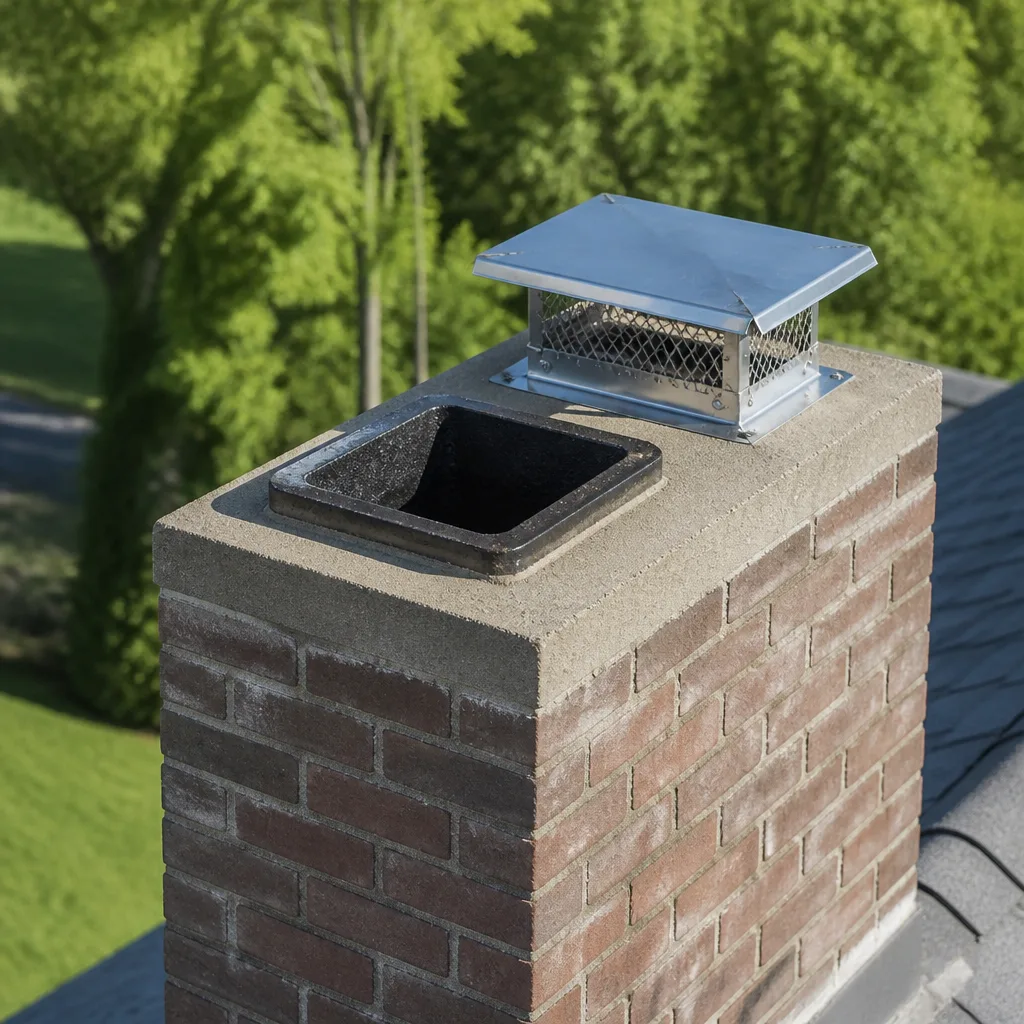 Sweep & inspection
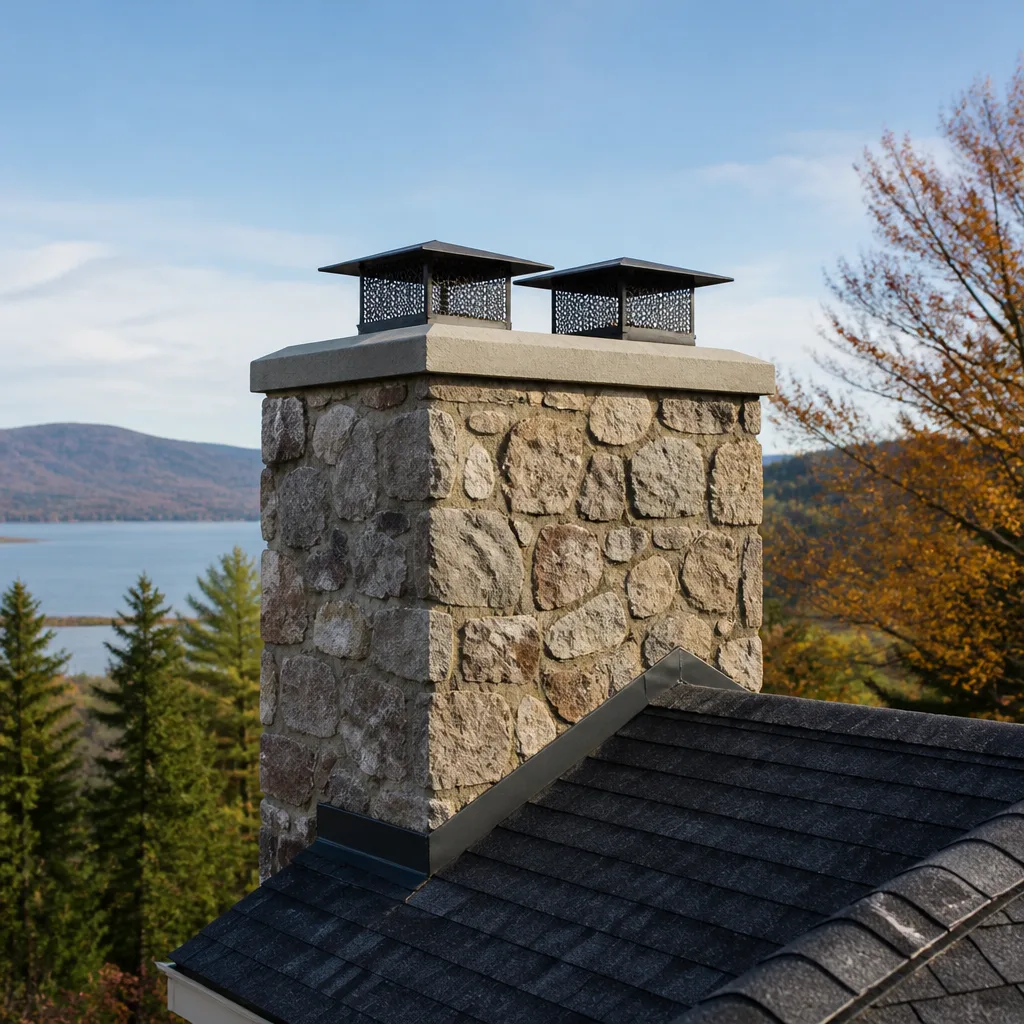 Caps & crowns
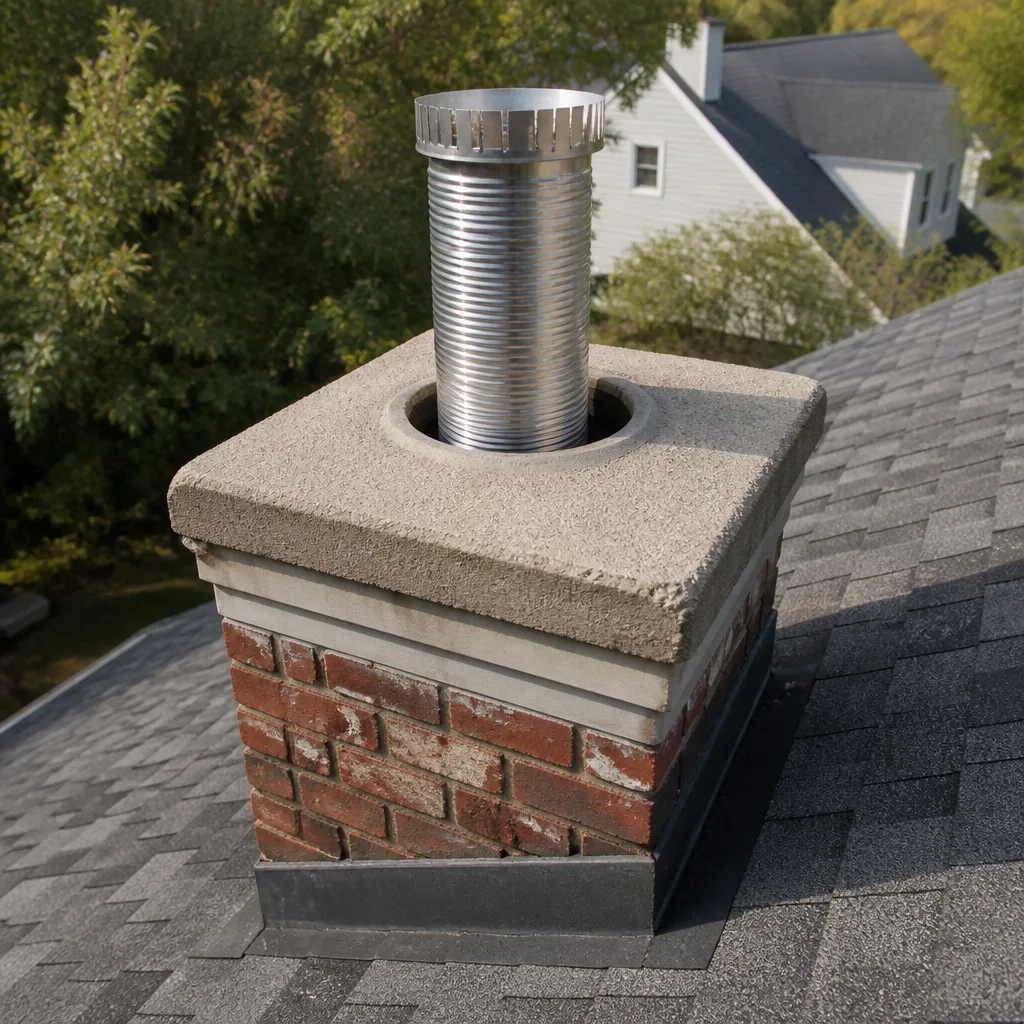 Flue relining
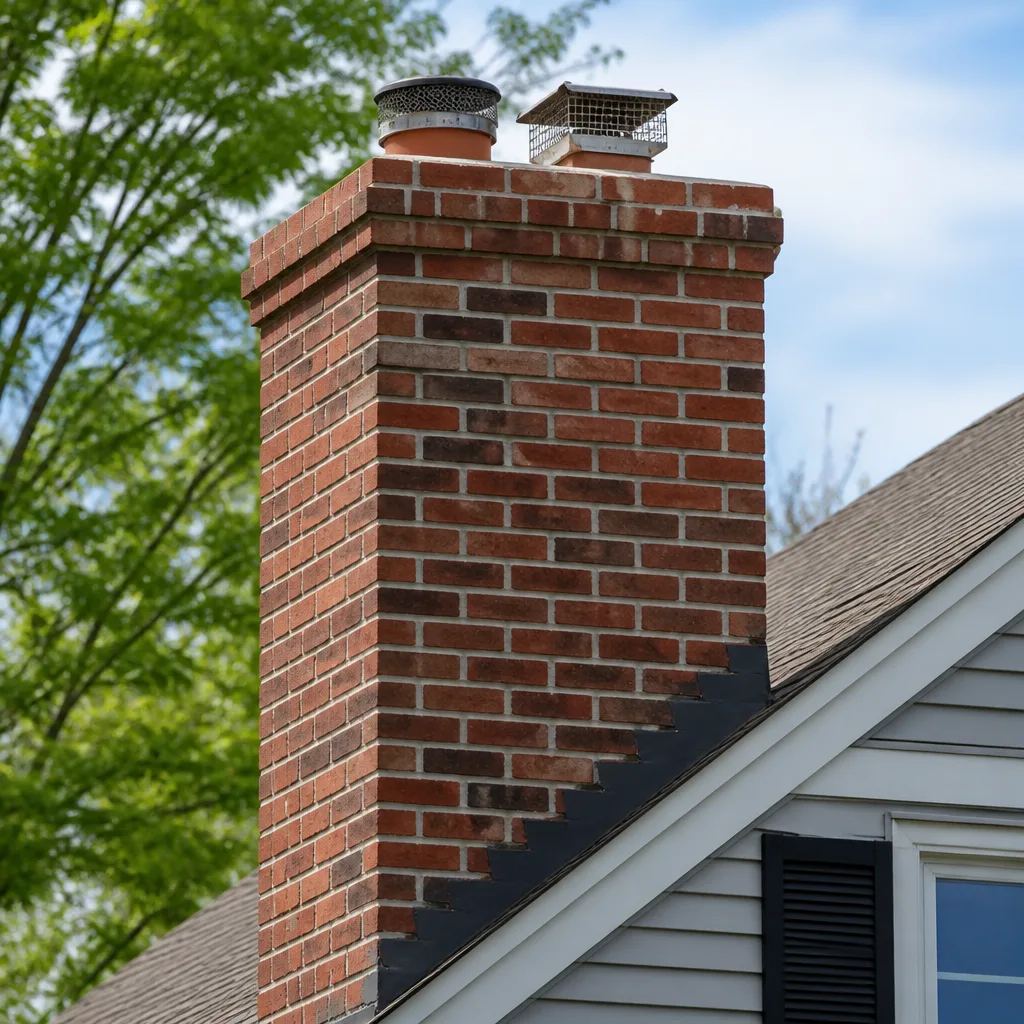 Masonry repair
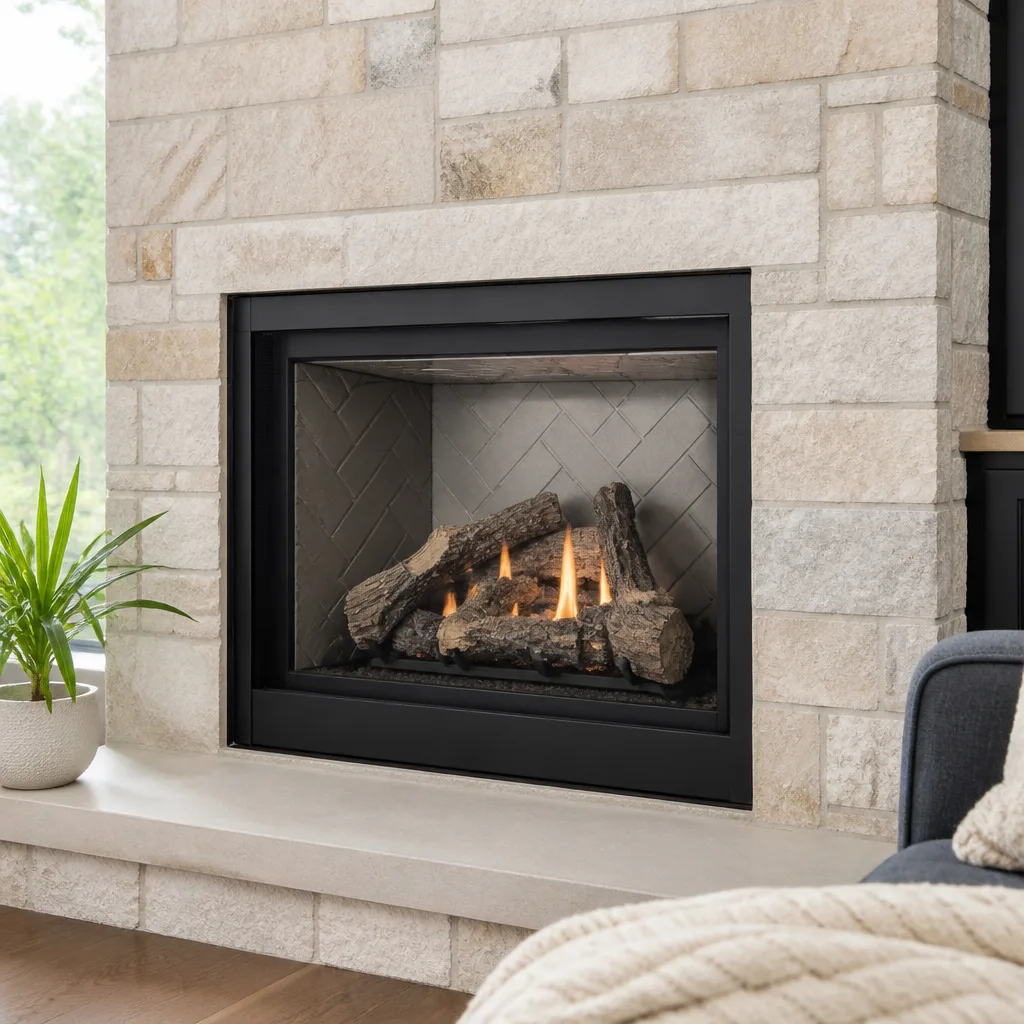 Gas fireplace service
Level 1 sweep and inspection to the NFPA 211 annual standard - flue, crown, cap, and flashing checked and photographed
Chimney sweep logs do not sweep chimneys. They loosen some creosote - which then falls where a brush and vacuum still have to collect it.
DIY vs Professional Chimney Cleaning: The Five Points Homeowner’s Decision Guide
There’s a quiet piece of confusion built into the home-improvement aisle at most hardware stores. A wire brush with a length of flexible rod is sold as a chimney cleaning kit, and a rotary power system with a spinning whip head is also sold as a chimney cleaning tool, so it’s natural to assume they do the same job at different price points. They don’t. A consumer brush is built to knock loose soot off flue walls. A professional rotary system cuts through the hardened, glazed creosote that a brush simply drags around. That difference matters more than any other factor when you’re deciding whether to clean your own chimney in Five Points or bring in a specialist. This guide walks through five points of comparison: what a DIYer can legitimately handle, where the equipment gap starts to hurt, what the material gap means, how liability works in North Carolina, and what the true cost comparison looks like once you count everything.
Quick Answer
Most homeowners in Five Points can safely do light maintenance (checking the cap, clearing ash, testing the damper) but should not attempt a full flue cleaning, a Level II inspection, or any repair involving the crown, liner, or firebox masonry. A DIY wire brush clean handles loose soot but redistributes glazed creosote instead of removing it, and the materials needed to repair a damaged flue aren’t sold through retail channels. For anything past the surface layer, a professional sweep is the safer and, over several seasons, less expensive route.
Styles & brands we work with
- Sweep & inspection
- Caps & crowns
- Flue relining
- Masonry repair
- Gas fireplace service
Table of Contents
- The Task-by-Task Matrix: What You Can DIY, What You Can’t
- The Equipment Gap: Consumer Brushes vs Rotary Systems
- Why Some Repair Materials Aren’t Available at Retail
- Liability and Insurance After DIY Chimney Work in North Carolina
- The Real Cost Comparison: Brush Kit vs Full Job
- Signs It’s Time for a Professional Sweep
- How to Choose a Chimney Professional in Five Points
- Common Mistakes to Avoid
- When to Call a Professional
- Frequently Asked Questions
The Task-by-Task Matrix: What You Can DIY, What You Can’t
The cleanest way to think about chimney work is a three-tier sorting: tasks that are genuinely safe for a careful homeowner, tasks that are possible but risky, and tasks that should stay with a professional regardless of skill level. Most weekend projects fall in the first tier. Most repairs fall in the third.
Genuinely DIY-Safe
- Visual check of the exterior cap and crown from the ground with binoculars. You’re looking for missing caps, cracked mortar, or rusted hardware. This is a two-minute job anyone can do.
- Clearing ash from the firebox after the fire is completely cold. A metal bucket and a scoop is all you need.
- Testing the damper open and closed before each heating season.
- Removing a bird’s nest or leaves from a firebox when the debris is reachable from the hearth and the flue above is clear.
- Keeping the firewood stack covered and away from the chimney.
DIY-Possible but Risky
- A basic soot sweep with a consumer brush and rods. Doable on a short, straight flue that’s been cleaned regularly. The risk climbs fast on a tall flue, an offset flue, or a chimney that hasn’t been swept in several seasons.
- Climbing onto the roof to check the cap or crown. The task is simple. The fall risk is not.
- Minor caulk or sealant touch-ups around a cap, done from the roof. Not worth the risk on a steep or wet roof.
Professional-Only
- Removing glazed creosote. Consumer brushes redistribute it. Rotary systems remove it.
- Level II inspections involving a camera scan of the flue interior.
- Liner replacement or relining for any reason.
- Flue resurfacing with a system like HeatShield.
- Crown replacement or cap installation using manufactured parts from brands like Gelco, Famco, or Olympia Chimney.
- Firebox masonry repair, mortar repointing, or structural chimney work.
The Equipment Gap: Consumer Brushes vs Rotary Systems
The equipment gap between what’s on a hardware store shelf and what a professional sweep uses in Five Points is bigger than most homeowners realize. A consumer kit typically includes a stiff nylon or wire brush and flexible rods that fit into a drill or turn by hand. A professional rotary system is a separate tool class: a powered spinning head that expands outward to contact the full flue wall while a closed high-efficiency vacuum captures the debris at the firebox.
What the Professional Setup Actually Includes
- A rotary power head with changeable whip or chain configurations sized to the flue. The spinning head scours glazed creosote that a brush slides over.
- A closed high-efficiency vacuum sealed to the firebox opening so airborne soot stays out of the living space. Consumer kits rely on drop cloths and hope.
- An inspection camera that runs the full length of the flue. This is what turns a cleaning into an actual diagnosis.
- A debris-rated rod system that reaches the full height of a two-story flue without the homeowner on the roof.
When the Gap Matters
On a short, straight, freshly-kept flue that’s been swept annually, a consumer brush can do a decent job on soot. The gap becomes decisive in four situations: glazed creosote of any thickness, an offset flue with a bend the rods can’t navigate cleanly, a tall exterior chimney, and any flue that hasn’t been cleaned in more than a couple of seasons. In each case, the brush makes the surface look cleaner while leaving the actual hazard in place. That’s the specific failure mode that makes DIY looks fine on the surface and worries us at the inspection.
Why Some Repair Materials Aren’t Available at Retail
Walk into any hardware store and you’ll find mortar, caulk, and a few generic caps. You won’t find HeatShield, DuraFlex liners, or the specific Gelco, Famco, and Olympia Chimney caps we install in Five Points. Those products live behind a professional supply chain, and that’s not an accident.
What That Means in Practice
- Flue resurfacing. A deteriorating clay flue can often be restored with a resurfacing system applied from inside the flue, extending its service life without the cost of a full reline. There’s no retail equivalent. Without access to the actual system, the DIY alternative is usually a full replacement.
- Liner systems. Flexible liner systems have to be sized to the flue, rated for the appliance, and installed with correct termination. The wrong diameter or the wrong connector is worse than no liner at all, and a homeowner can’t verify the fit until something goes wrong.
- Caps and crowns. Manufactured chimney caps from brands like Gelco, Famco, and Olympia Chimney are engineered for actual flue drafts. The generic hardware-store cap often fails at the weld or the mounting bracket within a few seasons.
- Specialty masonry. Refractory mortar, crown mix, and firebox repair compounds behave differently under heat cycling than standard masonry products. The wrong compound cracks under the first season.
“Restore before you replace” is a real principle here. Half the flues we inspect in Five Points don’t need a new liner; they need proper resurfacing with the right material. That route is only available when the material is proper, and that’s a professional conversation, not a weekend one.
Liability and Insurance After DIY Chimney Work in North Carolina
This is the section most homeowners skip and most insurance adjusters don’t. In North Carolina, as in most states, a homeowner has the legal right to work on their own home. What’s less obvious is what happens to a claim after a fire if the adjuster traces the origin to self-performed chimney work.
What Homeowners Should Know
- Your insurance policy doesn’t automatically cover code-noncompliant work you performed. If a fire starts in a flue that was maintained outside of what the manufacturer or local code requires, the insurer has grounds to investigate and, in some cases, contest the claim.
- Documentation matters. A professional sweep issues a written report after a Level I or Level II inspection. That paperwork is your record of the chimney’s condition on a specific date. There is no equivalent after a DIY clean.
- Material substitutions void warranty. If a cap or liner was replaced with a generic part instead of the rated product, the manufacturer warranty on adjacent components often lapses.
- Building department rules vary by jurisdiction. Most cities require a permit for structural chimney work and some relining jobs. Ask your city’s building department directly if you’re unsure what applies at your address.
None of this is designed to scare anyone into calling a sweep for a task a careful homeowner can do. The point is that the insurance and documentation side of chimney work is real, and it’s one of the reasons a professional sweep in Five Points is often the cheaper path over a five-year horizon. A written inspection report, a matched-parts installation, and a clean paper trail cost less than a contested claim.
The Real Cost Comparison: Brush Kit vs Full Job
The sticker price of a consumer brush kit is small. The actual cost of a DIY chimney clean is not, once you count what most comparison articles leave out. A true comparison has to look at the equipment, the hours, the cleanup, and the cost of fixing what the DIY attempt left behind.
What a Real DIY Budget Includes
- The brush kit itself. A decent consumer kit runs roughly $50 to $150 depending on rod length and brush quality.
- Safety gear. A proper respirator, goggles, gloves, and a drop cloth rated for fine soot. Another $40 to $100.
- Time. A realistic full clean of a single flue, including setup, sweeping, and cleanup of the living space, runs two to four hours for a first-timer. That’s a Saturday morning gone.
- Professional cleanup of soot residue. Consumer kits almost always leave a fine film on the firebox surround, hearth, and nearby flooring. Cleaning it properly takes another chunk of time and some specific products.
- The cost of fixing DIY mistakes. This is the variable nobody budgets for. A rod that punctures a clay flue tile, a brush that cracks a flue liner, or a cap installed with the wrong sealant all require professional repair. The bill can run several times the cost of a professional clean.
- The cost of the flue you didn’t actually clean. If glazed creosote remained, you’ve paid for the brush and the time and still need a professional rotary clean.
What a Professional Job Includes
A professional chimney sweep in Five Points is quoted per job by written estimate. The price includes the rotary equipment, the vacuum setup, the drop cloth protection, the camera inspection, and a written report of what was found. For most homes, the total cost of a professional clean plus a year of peace of mind lands close to the DIY total once you count the equipment, the cleanup products, and the time. And it lands well under the price of one repair caused by a DIY mistake.
Signs It’s Time for a Professional Sweep
Some signals are obvious. Others are the kind of thing only a professional sweep in Five Points will spot until it’s already a problem. Here’s the practical list we tell customers to keep in their heads through the heating season.
Obvious Signals
- Black, sticky, or glassy deposits visible at the top of the firebox or on the damper.
- A persistent smoky smell in the room when the fireplace is not in use.
- Smoke rolling back into the room when you light a fire, even with the damper fully open.
- Visible damage to the cap or crown when you look from the ground.
- A chimney that hasn’t been swept in more than a year of regular use.
Signals You’d Need a Professional to Find
- Hairline cracks in the flue liner, which are invisible from the firebox.
- A partially blocked flue from a bird’s nest or fallen tile that opens and closes with draft changes.
- A crown that’s cracked underneath, letting water in on every rain.
- A flue that’s too large or too small for the appliance currently installed.
One of the reasons we inspect before we recommend on every Five Points job is that the second list is longer than the first. A camera scan running the full length of the flue finds things the visual check can’t, and it lets us show you the photo so the recommendation isn’t just our word against your memory of the last sweep.
How to Choose a Chimney Professional in Five Points
Any sweep can push a brush up a flue. The question is what happens when the inspection turns up something the brush alone can’t fix. Here’s what separates a full-system chimney specialist from a sweep-only operation, and what to ask before you book a job in Five Points.
Questions Worth Asking
- Do you offer a Level II inspection with a camera? If the answer is no, the sweep is only seeing what’s reachable from the firebox, not the full flue.
- What materials do you work with? A full-system specialist works with professional lines like HeatShield, DuraFlex, and manufactured caps from brands like Gelco, Famco, and Olympia Chimney. A sweep-only crew usually can’t offer these.
- Do you handle repair in-house, or will I be handed to a second contractor? Single-company accountability from inspection through completed repair means you’re not explaining the problem twice.
- Will you show me the camera evidence? A photo of the flue interior is the difference between a recommendation and a sales pitch.
- Will I get a written estimate before any work starts? The price should be set per job by the written estimate, not discovered after the job is done.
Common Mistakes to Avoid
- Buying a consumer brush kit expecting it to handle creosote. A wire brush clears loose soot but not the glazed, hardened layer. If you can see glassy black deposits on the flue wall, the brush is the wrong tool.
- Sweeping from the roof instead of from the firebox. Roof work comes with fall risk, and a chimney swept from the top without a sealed vacuum at the firebox sends soot into the home. The vacuum is what keeps the job contained.
- Assuming a clean flue means a safe flue. A flue can be clean and still have a cracked liner, a mis-sized flue for the appliance, or a crown leak. Cleaning is not inspection.
- Installing a hardware-store cap on a chimney that needs a rated cap. A generic cap can restrict draft, rust through in a couple of seasons, or fail at the mounting point. Manufactured caps from Gelco, Famco, or Olympia Chimney are built for the job.
- Ignoring the crown. The crown is the mortar cap at the top of the chimney that sheds water. A hairline crack in the crown lets water into the flue structure, and the damage compounds through freeze-thaw cycles in the region around Five Points.
- Skipping the annual sweep because the fire “worked fine.” A fire that lights and burns well tells you nothing about the flue wall above the firebox. The hazard sits where you can’t see it.
- Using mortar or caulk intended for outdoor masonry on a firebox. Firebox materials have to handle heat cycling. Standard masonry products crack under the first season of fires.
When to Call a Professional
The line between DIY and professional is not a matter of pride. It’s a matter of equipment, materials, and documentation. Call a professional sweep in Five Points if you see glazed or glassy deposits on the flue wall, if the chimney hasn’t been swept in more than a year of regular use, if the crown or cap looks damaged from the ground, if your homeowner’s insurance adjuster asked for a report, or if a home inspection flagged anything on the chimney system. Also call if the fire has ever rolled smoke back into the room, or if you smell smoke when the fireplace is off. Any one of those is a signal that a proper diagnosis is needed before the next burn.
Here at Chimney Sweep Five Points, every job starts with an honest inspection, and every recommendation comes with camera evidence you can see. We work with professional-grade materials including HeatShield, DuraFlex, and manufactured caps from Gelco, Famco, and Olympia Chimney, which means the fix that comes after the inspection is matched to your specific flue rather than a generic one-size approach. Our technicians have up to 12 years of experience, and the local pro we connect you with is licensed and insured as their state requires. For a chimney sweep, a fireplace repair, or a chimney cap & crown replacement in Five Points, call (855) 658-5081. We answer 24/7. Fast dispatch from 7am to 7pm, Sunday through Friday.
Frequently Asked Questions
A standard chimney sweep in Five Points is quoted per job by written estimate, so the price reflects your specific flue size, length, and level of buildup. The estimate is free, and it’s set before any work begins. The best way to know the number for your chimney is to have the flue looked at and get the written estimate in hand. Call (855) 658-5081 for an exact quote. We answer 24/7.
You can clean the loose layer of soot off a short, straight, regularly maintained flue with a consumer brush kit. What a brush can’t do is remove glazed creosote, which is the harder, shinier deposit that a brush slides over or redistributes rather than removes. If you can see that glassy layer at the top of the firebox, the brush is the wrong tool for the job. Call (855) 658-5081 for an exact quote on a professional rotary clean. We answer 24/7.
Sweeping and inspection are separate jobs. Sweeping removes the soot. Inspection finds the cracked liner, the undersized flue, the crown leak, or the partially blocked flue that a sweep can’t see from the firebox. A Level II inspection uses a camera scan running the full length of the flue, and that’s what turns a clean into a diagnosis. Every job we handle for homeowners in Five Points starts with the inspection so the recommendation is based on what’s actually there. Call (855) 658-5081 for an exact quote. We answer 24/7.
The sticker price of a consumer brush kit is only part of the DIY figure. Add safety gear, drop cloths, cleanup products, and two to four hours of your time, and the DIY total climbs well past the kit price. Add one mistake, a punctured flue tile or a cracked liner from an aggressive rod, and the repair can run several times the cost of a professional clean. A free written estimate puts the professional number in front of you so you can compare against the total, not just the kit price. Call (855) 658-5081 for an exact quote. We answer 24/7.
The creosote layer thickens with each fire, and thick glazed creosote is the specific fuel type most associated with chimney fires because it burns hot and long. A flue that hasn’t been swept in over a year of regular use is a chimney you’re no longer sure of. Skipping a season is often the season where the layer stops being removable by brush and starts needing a rotary clean. The safest plan is a sweep before each heating season, not after a problem appears. Call (855) 658-5081 for an exact quote. We answer 24/7.
Yes, our team handles chimney cleanings, inspections, fireplace repair, and chimney cap and crown work for homes across Five Points and the neighborhoods around it. We work with professional lines like HeatShield and DuraFlex for the repairs that turn up after the sweep, so you’re not handed to a second contractor mid-project. For a chimney sweep in Five Points or to line up an inspection before heating season starts, call (855) 658-5081. We answer 24/7. Fast dispatch from 7am to 7pm, Sunday through Friday.
The Bottom Line
DIY chimney work isn’t all-or-nothing, and this guide wasn’t written to push every homeowner toward a professional sweep. There’s a real set of tasks a careful homeowner can legitimately handle: the visual cap check, the ash cleanout, the damper test, the firewood discipline. What the guide draws is a clear line between those tasks and the jobs that need rotary equipment, camera inspection, and professional-grade materials that aren’t sold at retail. Glazed creosote removal, liner work, resurfacing, crown and cap installation, and firebox repair all sit on the professional side. Cost comparison comes down to the same question: what does the total bill look like once you count the equipment, the time, the cleanup, and the cost of fixing a mistake? For most homes in Five Points, the professional route lands close on cost and well ahead on safety and documentation. If you want a professional opinion on your specific flue, Chimney Sweep Five Points is one call away. Call (855) 658-5081 for a free estimate. We answer 24/7. Fast dispatch from 7am to 7pm, Sunday through Friday.
Written by the team at Chimney Sweep Five Points.
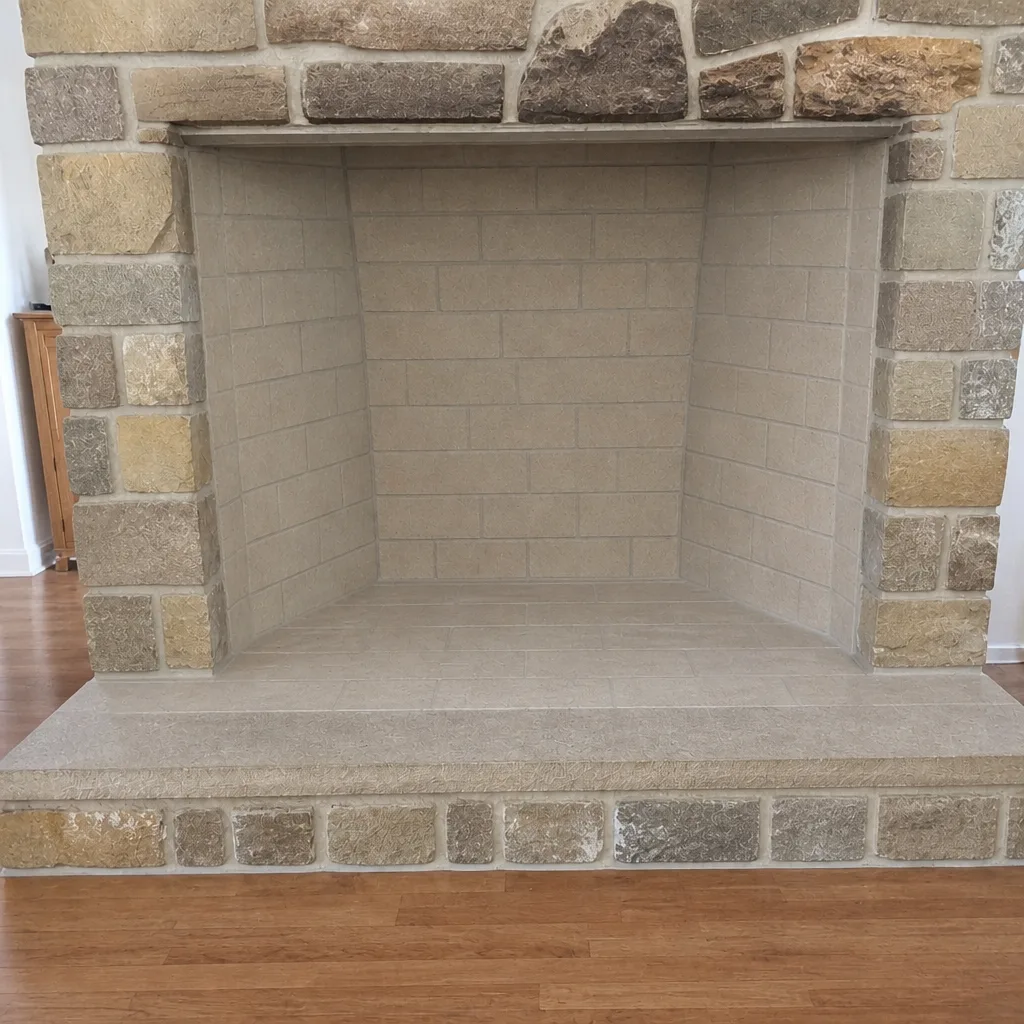
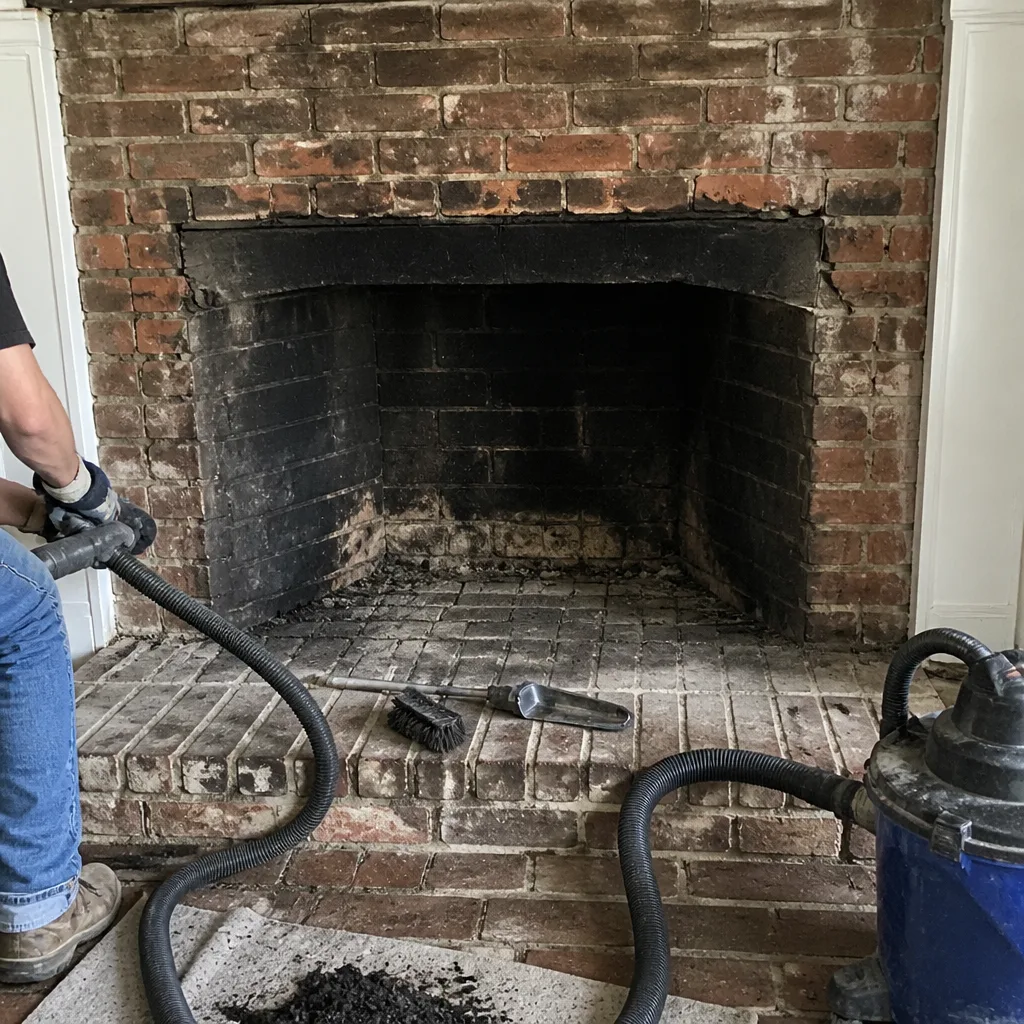
See the difference
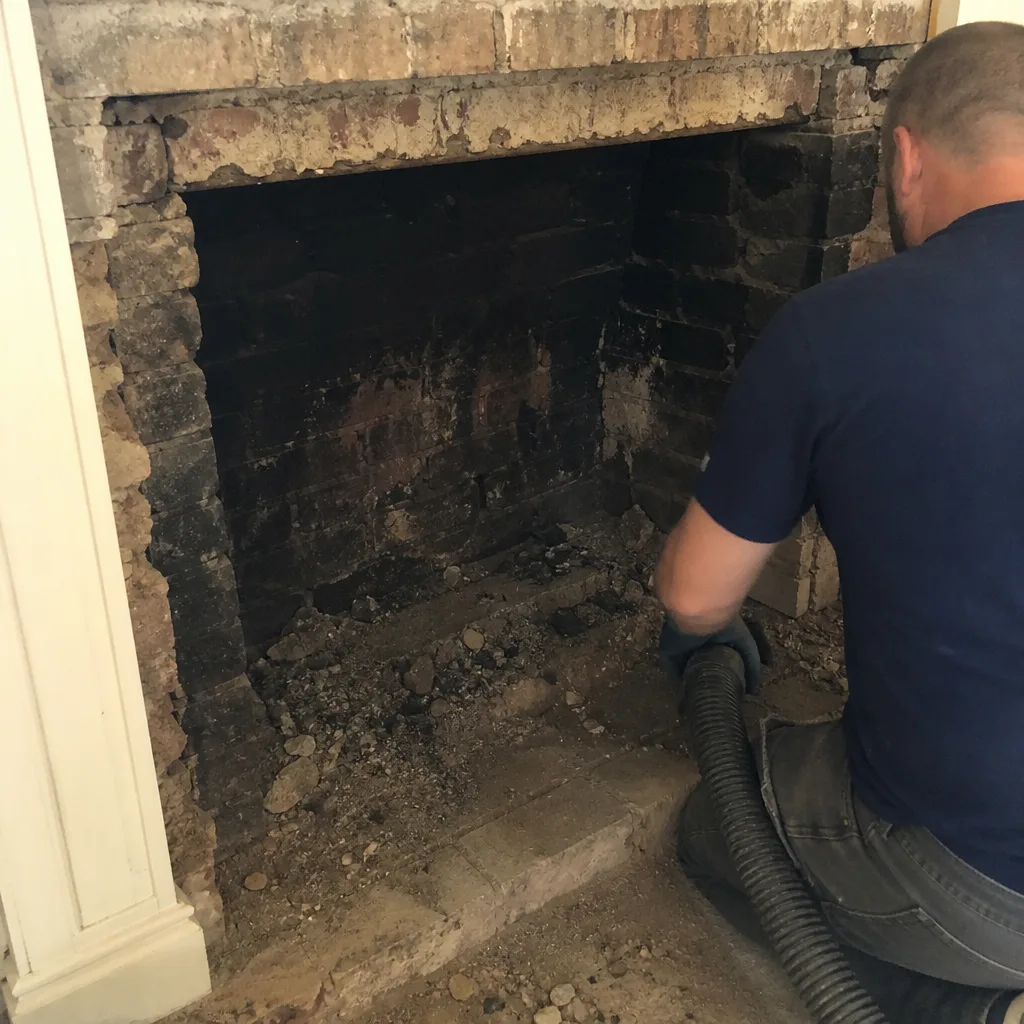 Before
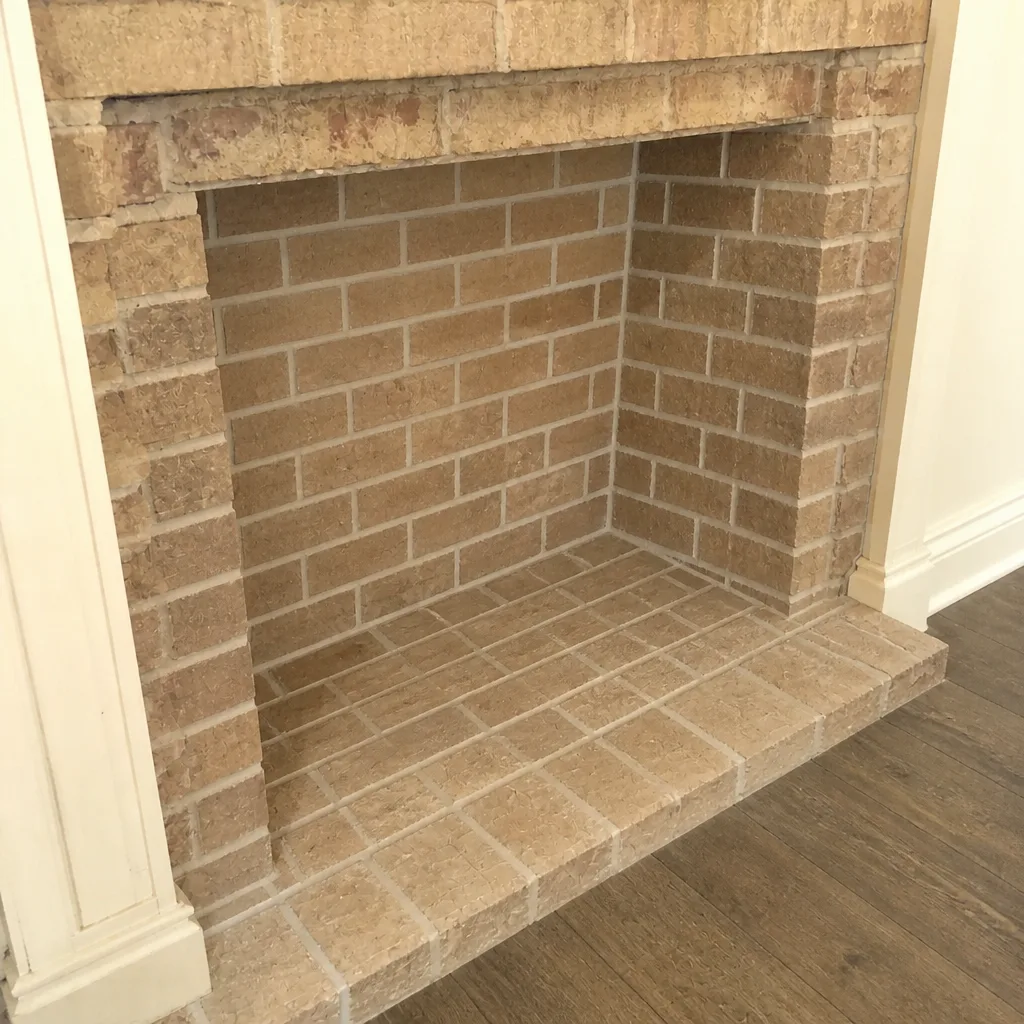 After
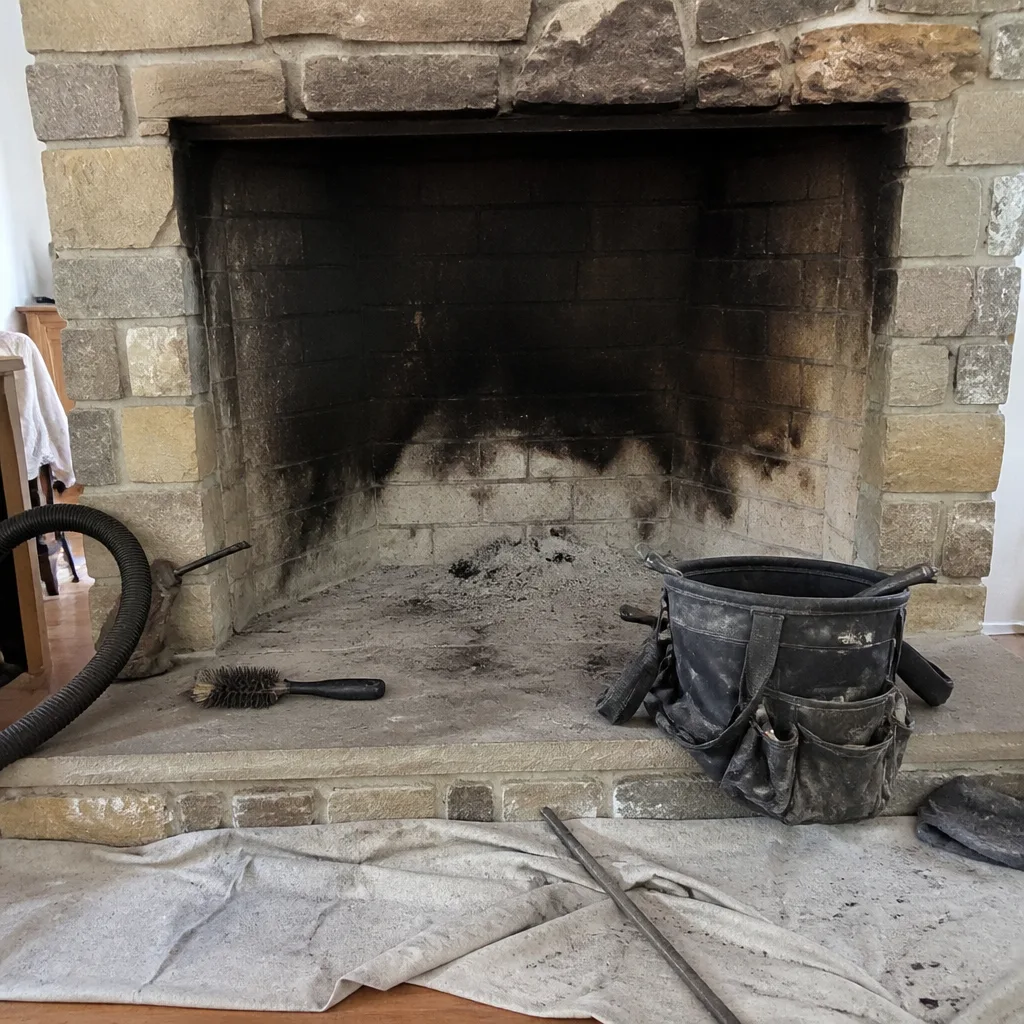 Before
 After
 Before
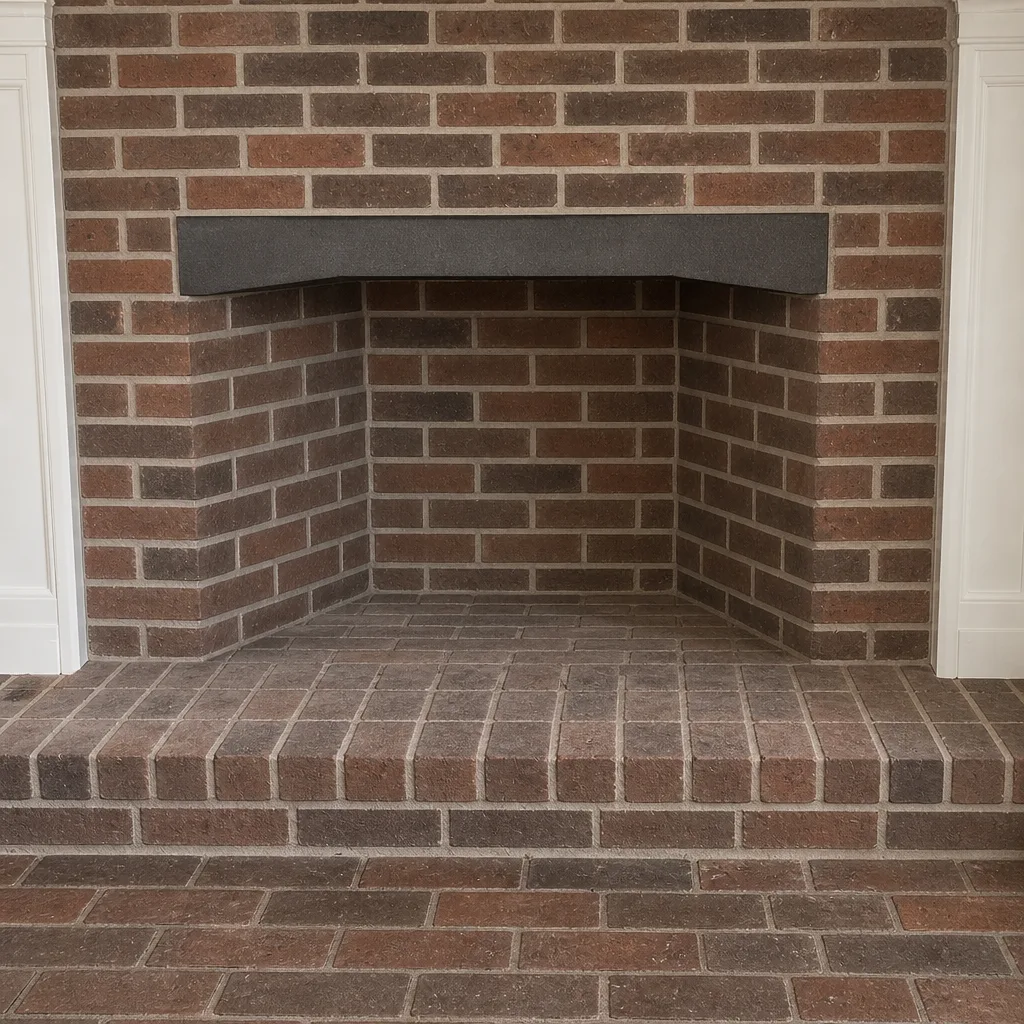 After