
Last updated November 23, 2026
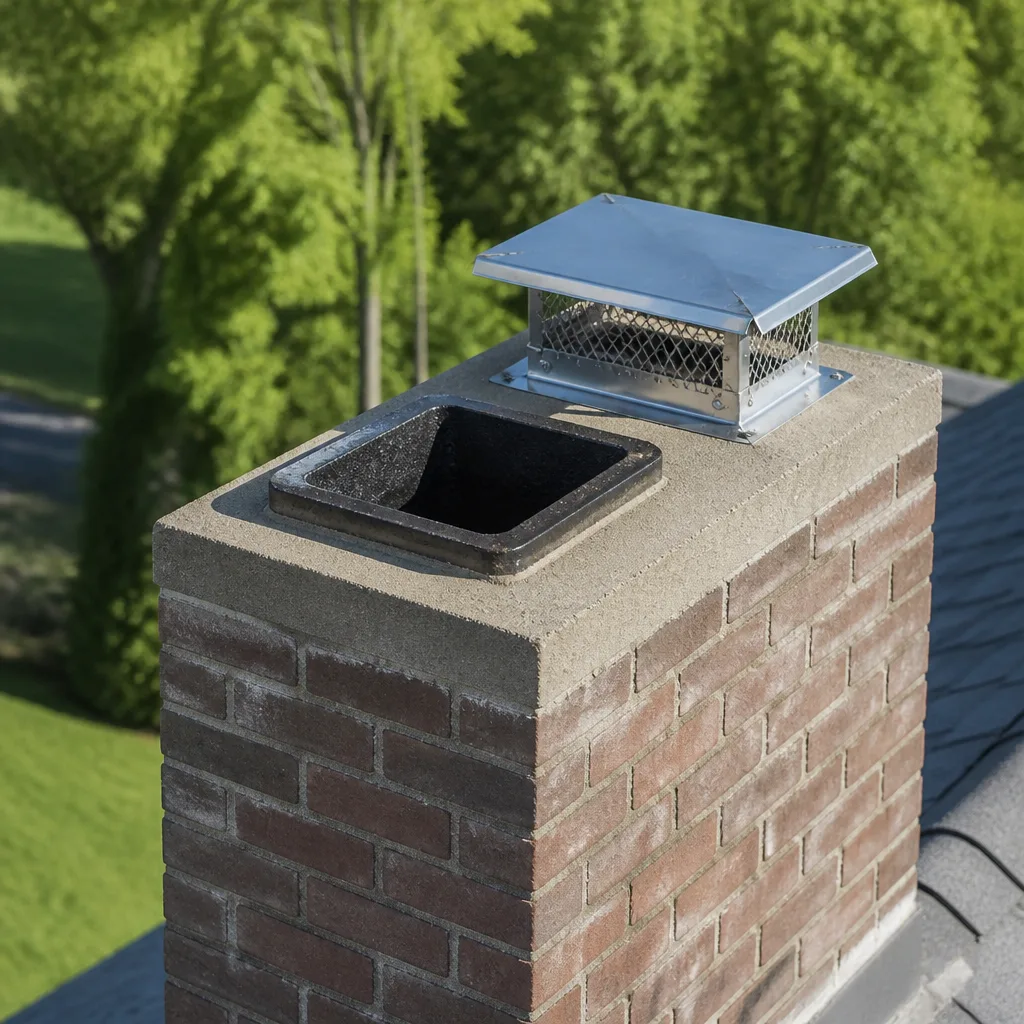 Sweep & inspection
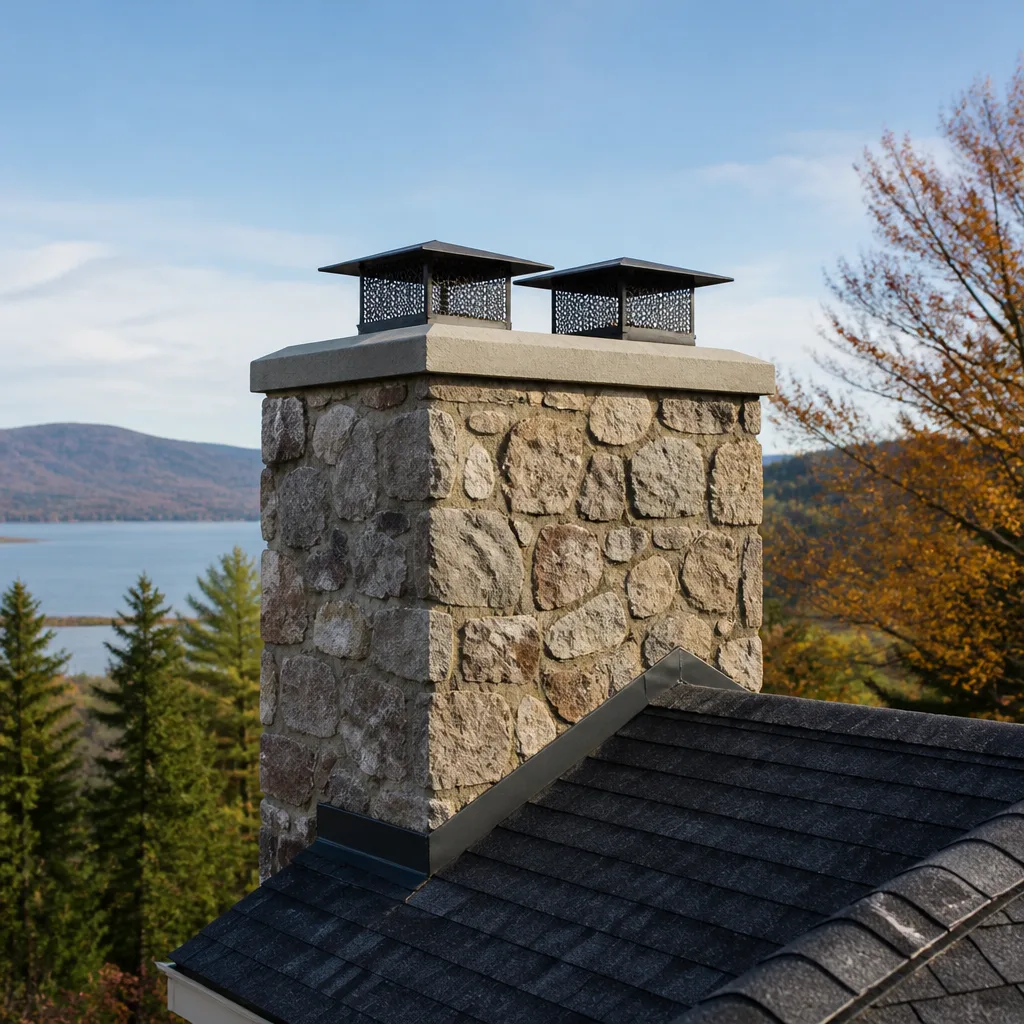 Caps & crowns
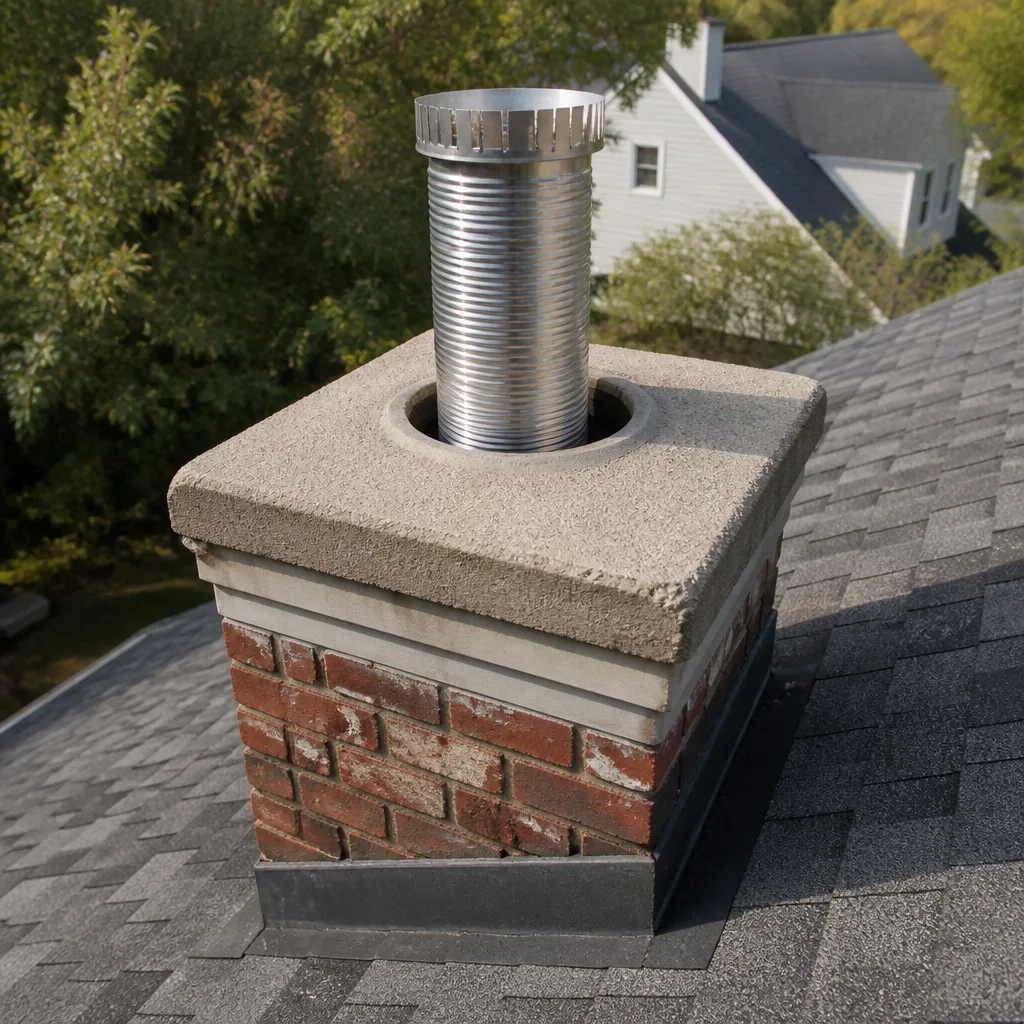 Flue relining
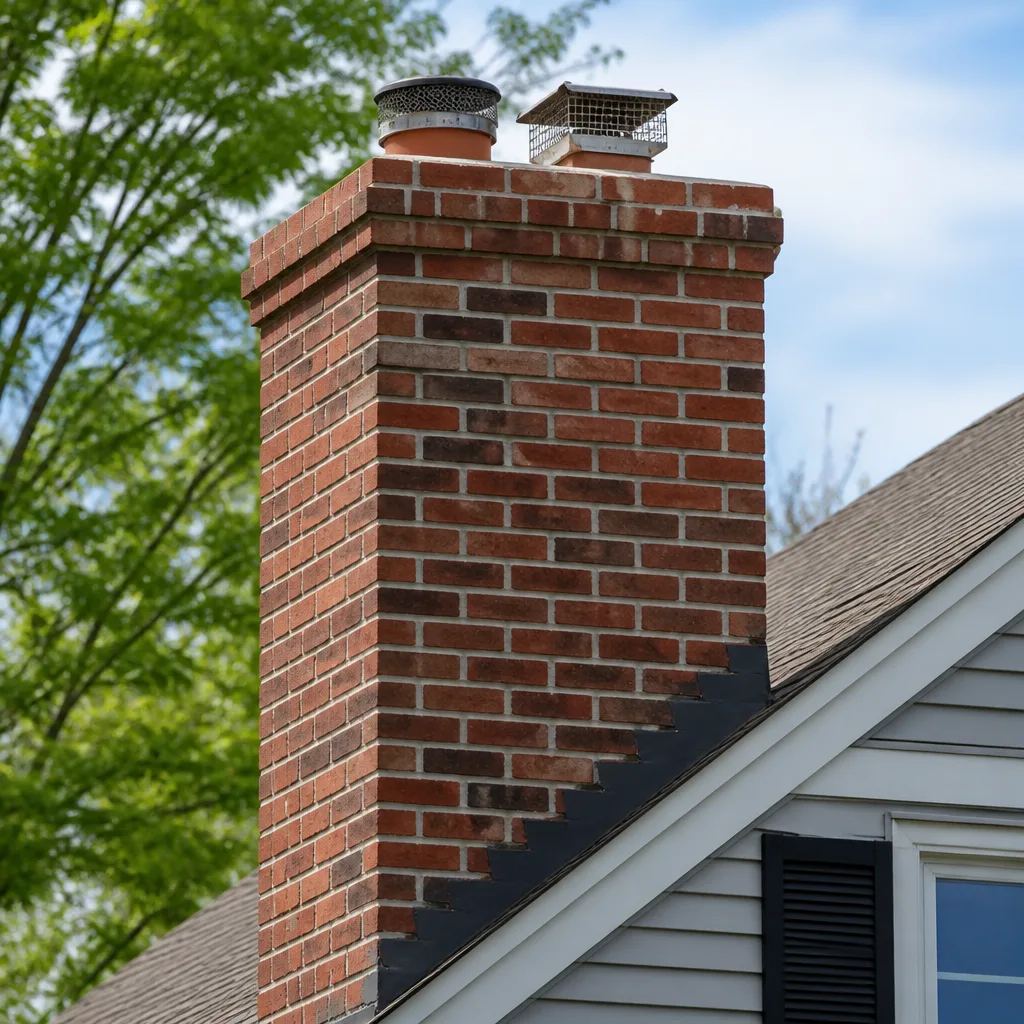 Masonry repair
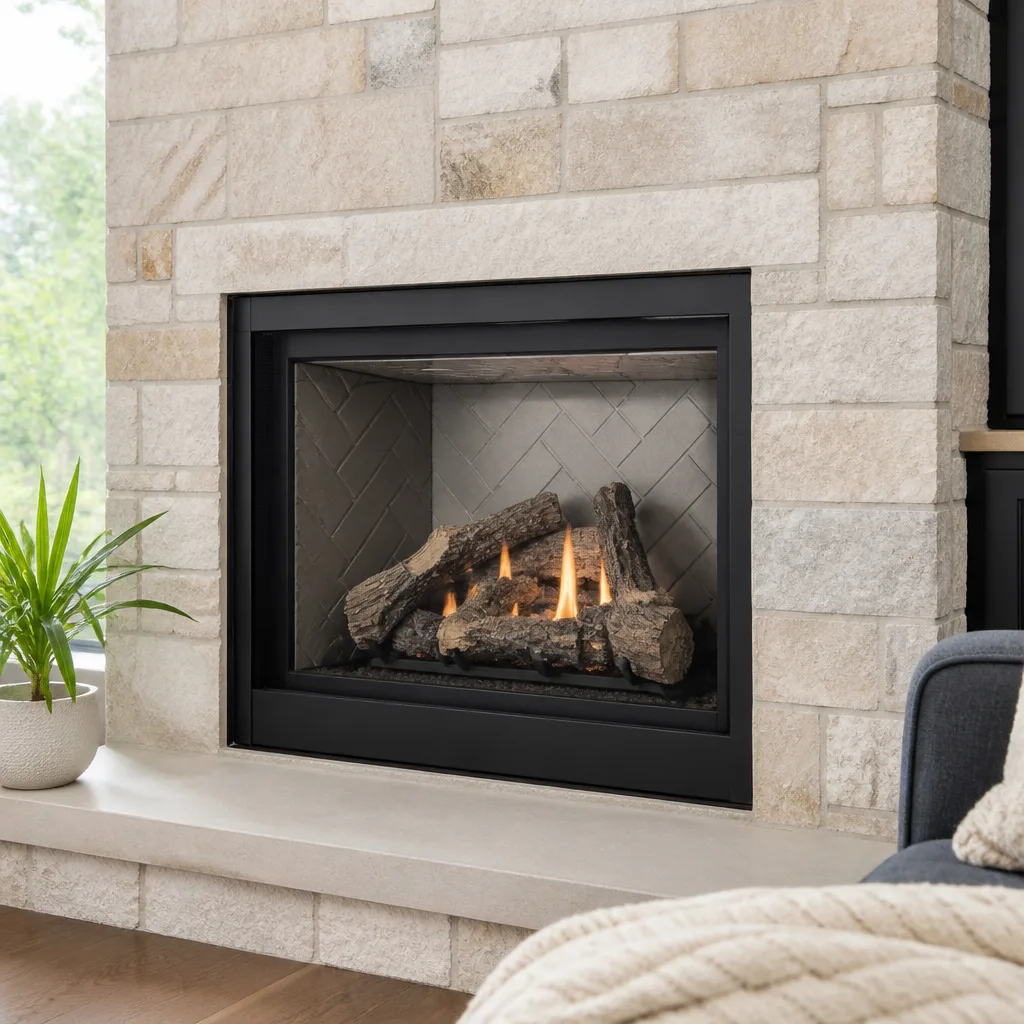 Gas fireplace service
Level 1 sweep and inspection to the NFPA 211 annual standard - flue, crown, cap, and flashing checked and photographed
Chimney sweep logs do not sweep chimneys. They loosen some creosote - which then falls where a brush and vacuum still have to collect it.
The Complete Guide to Chimney Cleaning in Five Points
A clean-looking firebox can sit beneath a flue with half an inch of glazed creosote, the shiny, tar-like layer that standard brushes skate right over. If your annual sweep has always been quick and quiet, that’s worth questioning. Cleaning a chimney is not one task. It’s a system diagnosis, where the cap, the crown, the flue, the smoke chamber, and the smoke shelf each carry clues about what’s actually happening inside the system. This guide walks Five Points homeowners through what a real cleaning involves, why our humid summers and wood-burning winters build creosote in ways drier climates rarely see, and how to tell a full-system specialist from a generalist sweep crew before you hire either one.
Quick Answer
Chimney cleaning in Five Points means more than brushing soot out of a flue. A proper cleaning pairs the sweep with at least a Level I inspection, and in older homes usually a Level II, so the technician can read the condition of every component from cap to firebox. If your sweep never gets on the roof, never looks at the crown, and never puts a camera in the flue, you’ve had a surface cleaning, not a system diagnosis.
Styles & brands we work with
- Sweep & inspection
- Caps & crowns
- Flue relining
- Masonry repair
- Gas fireplace service
Table of Contents
- How Chimney Cleaning Actually Works in Five Points
- Why Five Points Climate Builds Creosote Differently
- The Three Levels of Chimney Inspection
- Reading the Smoke Shelf and Smoke Chamber
- How Cap and Crown Condition Drive Cleaning Frequency
- Full-System Specialist vs. Generalist Sweep Crew
- What a Chimney Cleaning Involves and What It Should Cost
- How Often Should a Five Points Chimney Be Cleaned?
How Chimney Cleaning Actually Works in Five Points
A chimney cleaning is a sequence of checks, not just a scrubbing. The technician starts by protecting the room, then works from the firebox up and from the roof down. Some of the most useful information in the whole visit comes before a single brush touches the flue. Here’s the general order a full-system cleaning follows:
- Firebox and damper check. We look at what’s burning, how it’s burning, and whether the damper opens and closes cleanly. A damper stuck partway can affect draft and tell you the fireplace is working against itself.
- Interior inspection. The technician examines the firebox walls, the smoke chamber, and the smoke shelf before cleaning, because soot and creosote patterns are evidence.
- Roof access and cap check. On the roof, the cap, the crown, the flashing, and the top of the flue get evaluated. A missing or damaged cap changes everything downstream.
- Flue cleaning. Brushes sized to the flue remove soot and creosote. Glazed creosote may need mechanical removal or a resurfacing path rather than standard brushing.
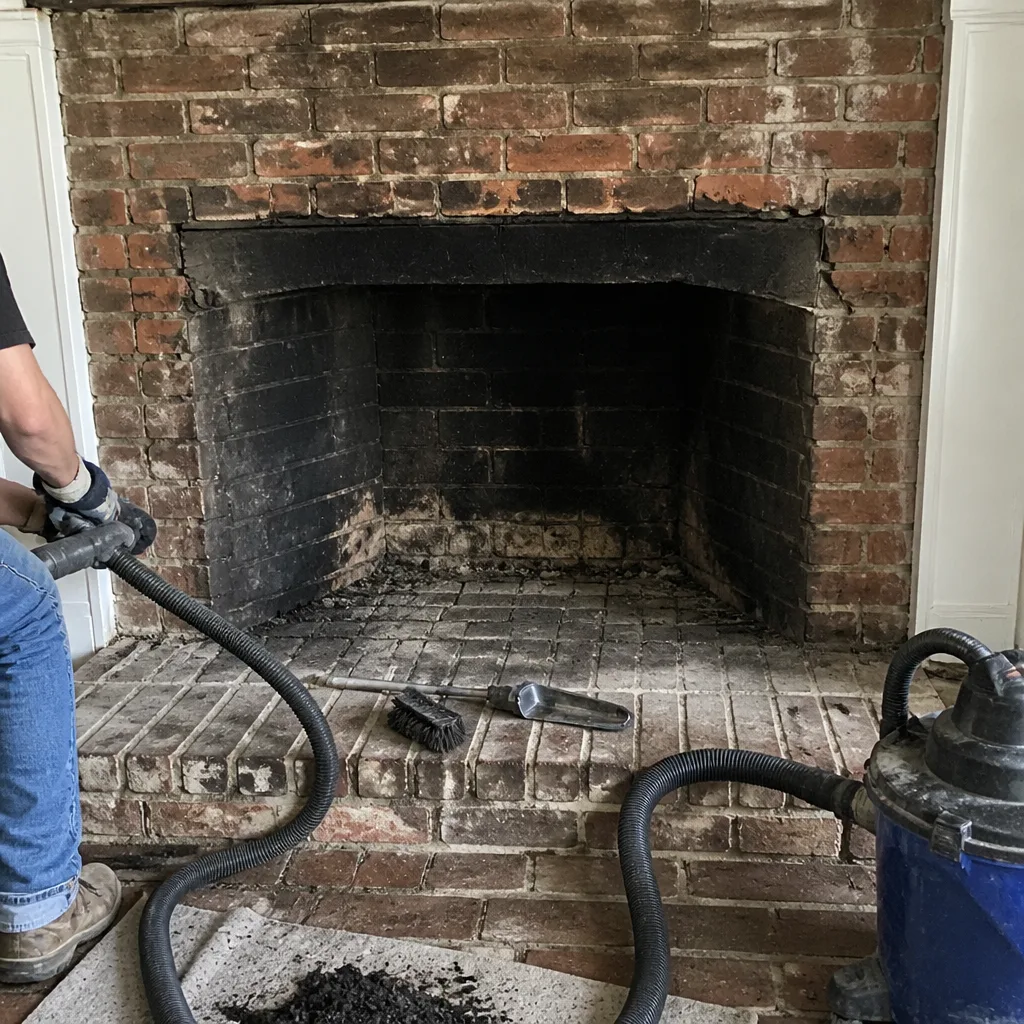
- Debris removal and documentation. We remove what we loosen, check the firebox again, and photograph anything that needs a follow-up conversation.
Notice that cleaning is the middle of the process, not the whole thing. In Five Points, where many homes have chimneys that predate modern liner standards, the inspection part of a cleaning visit often turns up more useful information than the sweep itself. We inspect before we recommend, and that order matters.
Why Five Points Climate Builds Creosote Differently
Creosote forms when wood smoke cools before it exits the flue. The cooler the flue, the more condensation collects on the walls, and the faster that residue hardens into the glazed, tar-like layer that’s hardest to remove. That’s where Five Points weather comes in. Our summers are humid and warm, and our winters bring cold nights with a real heating season. A chimney that sat all summer drawing humid air has a damp interior flue when the first cold snap arrives, and the first fires of the season burn cooler than fires in mid-January. That early-season cool burning is a creosote factory.
The pattern we see in this climate:
- Damp-off-season buildup. Humid summers leave a flue with higher moisture. The first fires of fall don’t burn hot enough to keep that moisture moving out, so creosote collects early.
- Cool-flue starts. Each fire that begins in a cold chimney deposits more residue near the top of the flue before the system warms up and draft strengthens.
- Season-long hardening. Residue deposited early in the season has all winter to cure into glazed creosote. By spring, standard brushes may not touch it.
In drier climates, chimneys often stay cleaner for longer stretches because the burning season and the off-season moisture load both look different. In Five Points, that means a cleaning schedule based on what a drier region recommends can leave you a season behind. If you burn wood regularly, plan the sweep before heating season, not after it.
The Three Levels of Chimney Inspection
The National Fire Protection Association defines three levels of chimney inspection, and knowing the difference helps you understand exactly what you’re paying for. A chimney sweep alone is not an inspection, and a Level I inspection is not a substitute for a Level II when the situation calls for it.
- Level I. A visual check of accessible components: the firebox, the flue from the firebox up, and the exterior from ground level or a ladder where safe. Level I is appropriate for a chimney in known good condition with no changes since the last inspection.
- Level II. Everything in Level I plus a closer look, including the attic and crawl space where accessible, and a video scan of the flue interior. Level II is the standard when a home changes hands, when a liner is added or replaced, or when there’s been a chimney fire or a significant event.
- Level III. A diagnostic inspection that may involve removing parts of the chimney or surrounding structure to reach a suspected problem. Level III is only warranted when a serious defect is suspected and can’t be confirmed any other way.
Here’s where Five Points housing stock matters. Many of the homes in this area were built decades ago and have had fireplaces, inserts, or heating appliances changed over the years without a documented inspection. A Level I sweep alone won’t reveal a cracked liner tile behind a closed-off thimble or a gap where an old appliance was removed. If you’ve never had a Level II inspection and you don’t know the last time the flue was scanned, that’s the place to start. It’s also the only honest way to know whether a cleaning is the whole job or just the first step.
Reading the Smoke Shelf and Smoke Chamber
The smoke shelf sits at the base of the smoke chamber, just above the damper. It’s a small ledge most homeowners have never seen, and it tells a surprising amount about how the fireplace has been performing. When smoke spills into the room instead of going up the flue, the smoke shelf and smoke chamber are usually involved. Creosote collects on the shelf and in the chamber’s sloped walls, and a sweep that goes up the flue without cleaning and inspecting the smoke chamber leaves that residue in place.
What to watch for during a full-system cleaning:
- Heavy deposits on the smoke shelf. A shelf thick with soot and creosote suggests the fireplace has been running with a weak draft, which affects both performance and safety.
- Damaged chamber walls. The smoke chamber is often parged with a mortar finish. Cracks or missing sections can let heat and combustion gases reach places they shouldn’t.
- Smoke stains on the damper frame. Staining at the damper points to smoke backing up before it reaches the flue, which is a draft issue as much as a cleaning issue.
- Obstructions. Nests, leaves, or a failed cap screen can leave debris sitting in the smoke chamber where it’s invisible from the firebox.
If the smoke chamber walls are rough or damaged, resurfacing can restore them without replacing the whole flue. That’s one of the reasons we work with HeatShield, a resurfacing system designed to address the smoke chamber and flue interior in cases where a full liner replacement isn’t necessary. It’s a restore-before-replace approach, and it only makes sense after the inspection shows exactly what’s going on.
How Cap and Crown Condition Drive Cleaning Frequency
The chimney cap and crown are the first line of defense against everything that comes down a flue, and their condition directly affects how often your chimney needs cleaning. A failed cap means rain, debris, and animals get in. A cracked crown lets water into the masonry, which then freezes in cold weather and widens the crack. Both problems speed up how quickly the interior loads up with material that has to be cleaned out.
What to check on the roof, and why it matters:
- Cap and screen. A missing or damaged cap lets water and wildlife straight into the flue. Birds nesting in a flue block draft and create a fire hazard. A cap with a proper screen prevents that.
- Crown condition. The concrete crown at the top of the chimney should overhang slightly and shed water away from the flue. Cracks or a flat or eroded crown mean water is soaking into the masonry.
- Flashing. The seal where the chimney meets the roof is where leaks most often start. A cleaning visit is the right time to check it.
- Masonry joints. Missing or eroded mortar joints at the top of the chimney are the first sign that water is getting in.
We install caps and crowns from dedicated chimney product manufacturers, including Gelco, Olympia Chimney, and Famco, rather than generic hardware-store caps that fail early and don’t fit correctly. A cap that’s sized and fitted properly, with a screen that stays attached, is one of the cheapest ways to keep your cleaning schedule predictable. If you’re unsure about the state of your cap and crown, a comprehensive check belongs in the same visit as the cleaning.
Full-System Specialist vs. Generalist Sweep Crew
The difference between a full-system chimney specialist and a generalist sweep crew shows up in three places: what they inspect, what they can repair, and what materials they use. Here’s how to tell them apart before you hire.
What they inspect. A generalist sweep often does the flue and the firebox and stops there. A full-system specialist checks the cap, the crown, the smoke chamber, the smoke shelf, and the flue, and puts a camera in the flue when the situation calls for it. If the technician never looks at the roof, that’s a sign.
What they can repair. A sweep-only crew cleans and leaves the repair to the next contractor. A full-system specialist handles the repair themselves, from chimney cap & crown work to fireplace repair to structural chimney repair. That matters because a problem found during a cleaning is best fixed while the technician is already there, by the same company, with no handoff in the middle.
What materials they use. Generalist crews tend to rely on whatever’s available at the local hardware store. A full-system specialist works from professional-grade product lines. We’re authorized to install and work with DuraFlex liners, HeatShield resurfacing, and caps and crowns from Gelco, Olympia Chimney, and Famco, and we use Copperfield specialty chimney supplies. Those materials are chosen for the specific flue, not forced onto every job. The right material for your specific flue is what separates a proper repair from a patch.
When you call to book, ask two questions: What level of inspection comes with the cleaning, and can the same company do the repair if the inspection finds something? The answers tell you a lot about who you’re hiring.
What a Chimney Cleaning Involves and What It Should Cost
A chimney cleaning is priced per job after an inspection, and the written estimate sets the final number. Any company that quotes you a flat price over the phone without looking at the chimney is guessing. What you should be able to get in writing:
- The scope. Which components will be cleaned, whether the roof and cap will be checked, and which inspection level is included.
- The findings. Any defects the inspection turns up, with photos or a camera report you can look at yourself. Nothing should be recommended unless you can see the evidence.
- The plan. What can wait, what shouldn’t, and what a repair would involve if one is needed. Some defects can safely wait a season. Others can’t. You deserve to know the difference.
- The materials. If a repair is recommended, what it would be made of, and why that material suits your flue.
Cost depends on the flue, the amount of buildup, the accessibility of the roof, and whether the cleaning is paired with a Level I or Level II inspection. Repairs are separate and priced on their own. What you should never accept is a cleaning followed by an alarming upsell with no evidence behind it. If a company tells you the liner needs replacing, ask to see the camera footage. If a company tells you the whole job can wait, ask what would change their mind. A full-system specialist will answer both questions. Call us for a free estimate and a written scope before anything gets booked.
How Often Should a Five Points Chimney Be Cleaned?
The general rule is to have a chimney cleaned and inspected at least once a year while it’s in use, and more often if you burn hardwood frequently, burn green or unseasoned wood, or notice smoke spilling into the room. In Five Points, the climate pushes that toward the more-often end if you heat with wood for a full season, because the humid-summer and cool-flue-start pattern we described earlier builds creosote faster than in drier regions.
A practical schedule for a Five Points wood-burning home:
- Late summer or early fall. Book the cleaning and inspection before the heating season begins, so any repair can be finished before the cold arrives.
- Mid-season check. If you burn heavily, watch the firebox and flue for visible soot, smoke spilling at the damper, or a strong smoky smell. Call if any of those show up.
- After any chimney fire or significant event. That’s a Level II situation, not a routine sweep.
- Before a sale or after a home inspection flag. The inspection report tells you what the buyer’s inspector found. Getting a Level II gives you a clear picture.
Gas fireplace owners aren’t off the hook. A gas fireplace still needs its venting, cap, and firebox checked. It’s a different kind of inspection, but the annual habit still applies.
Common Mistakes to Avoid
- Assuming the annual sweep is the whole job. A sweep that skips the roof, the cap, and the smoke chamber leaves the most telling parts of the system unexamined. In Five Points, that habit is how small problems grow into repairs between visits.
- Hiring whoever’s cheapest and fastest. A rock-bottom price often means the truck has a brush and little else. The price reflects the scope, and the scope is the point.
- Ignoring a missing or damaged cap. A cap that’s been off for a season or two lets water and wildlife into the flue. That’s a repair waiting to happen, and the fix is one of the less expensive ones in this trade.
- Burning unseasoned or green wood to “save money.” Wet wood burns cool, deposits creosote faster, and makes the next cleaning harder. Dry, seasoned hardwood is the difference between an easy sweep and a hard one.
- Assuming a cracked crown will wait. Hairline cracks in the crown look harmless, but water gets in, freezes, and widens them. Once the masonry is saturated, the repair gets bigger.
- Treating a home inspection flag as a suggestion. When a home inspector flags the chimney, they saw something. A proper Level II gives you a clear answer instead of a guess.
- Believing “no problem found” without seeing evidence. If a company can’t show you the flue on camera, you don’t know what they checked.
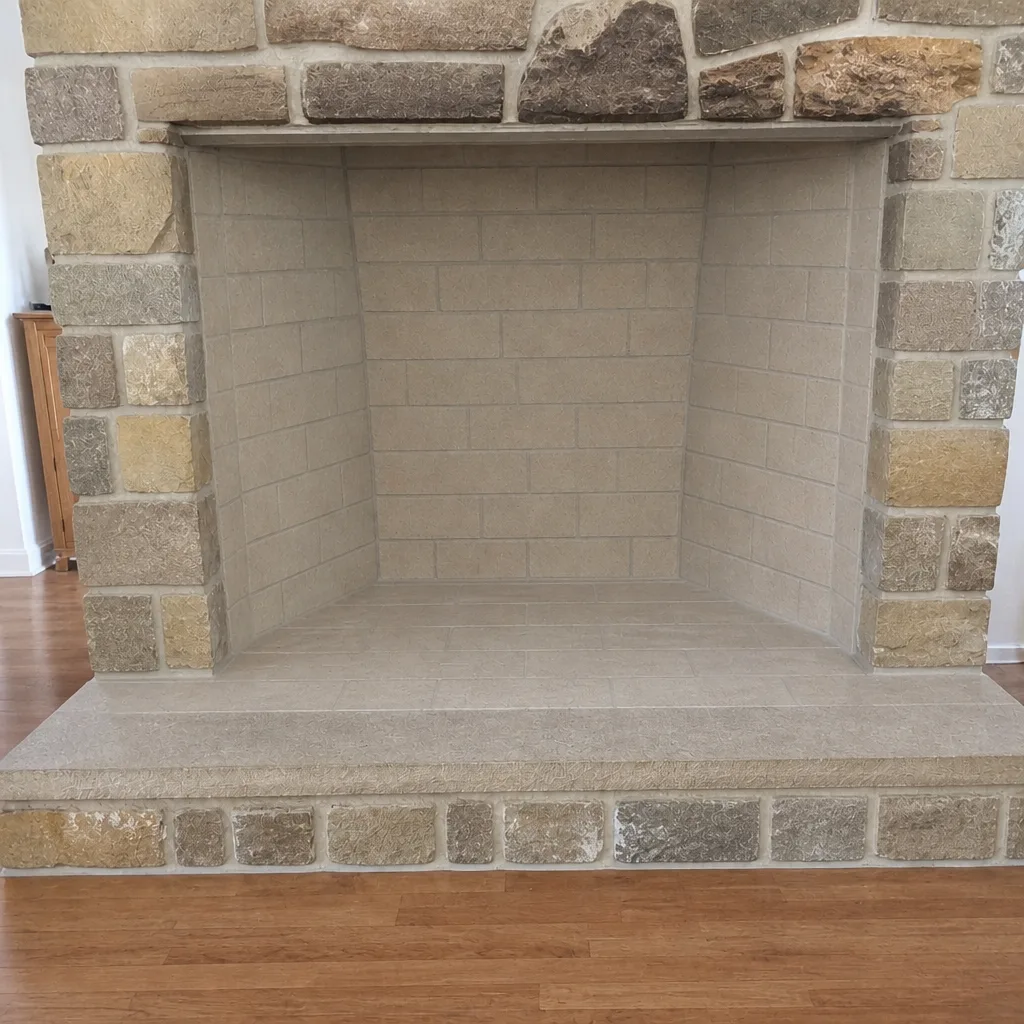
See the difference
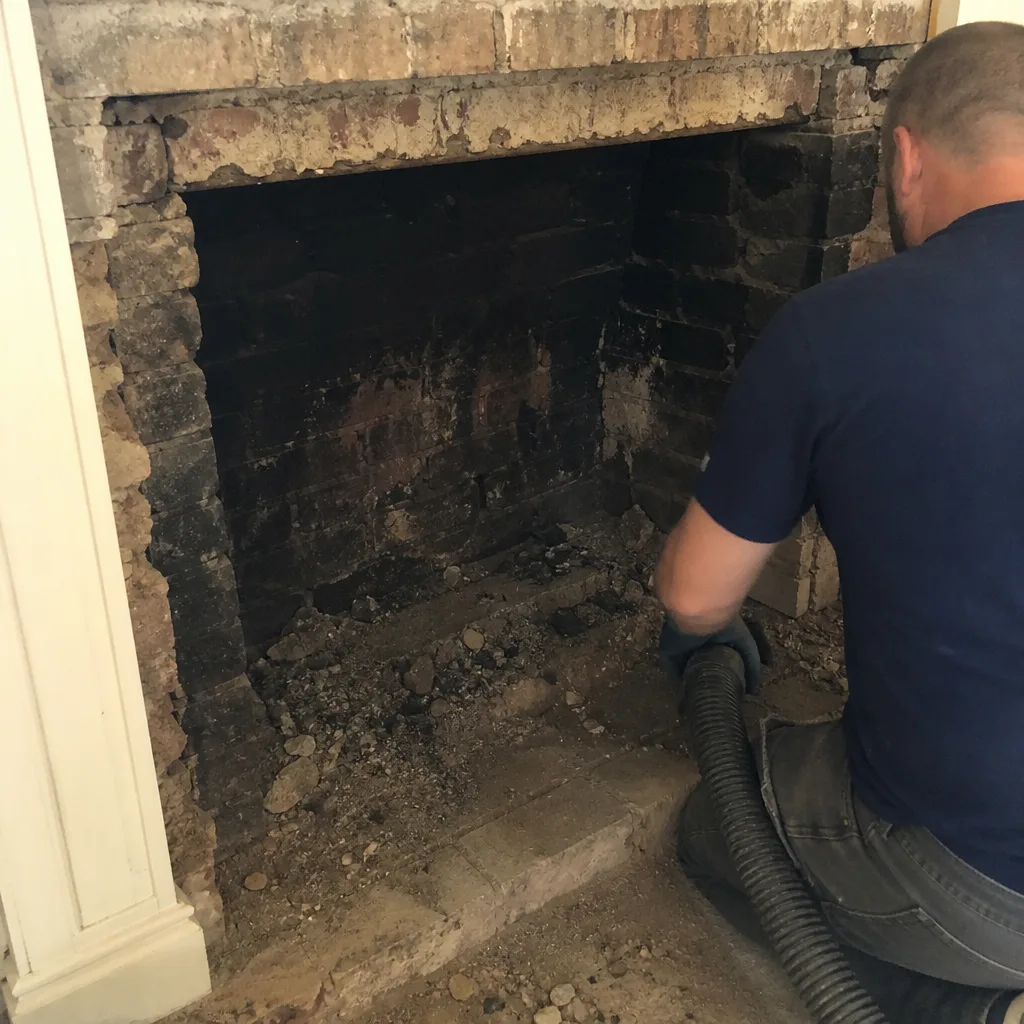 Before
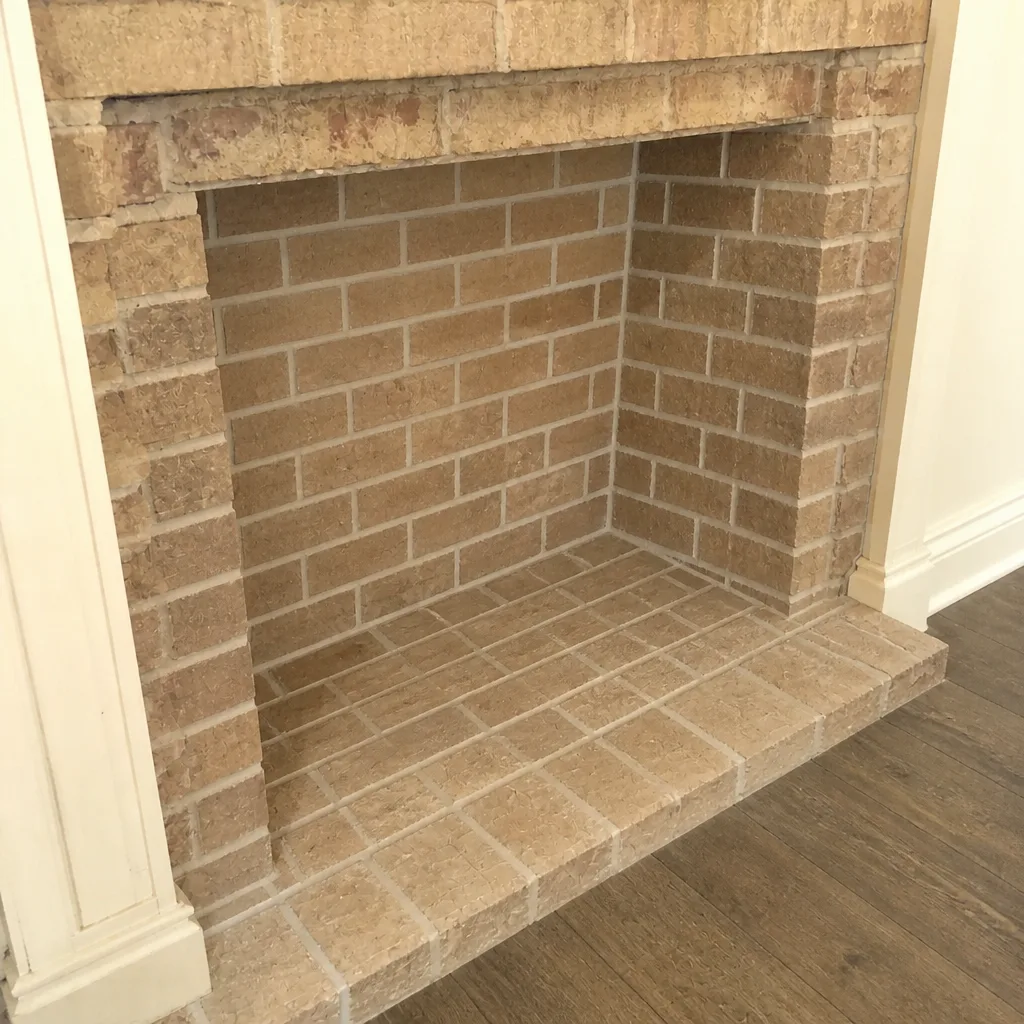 After
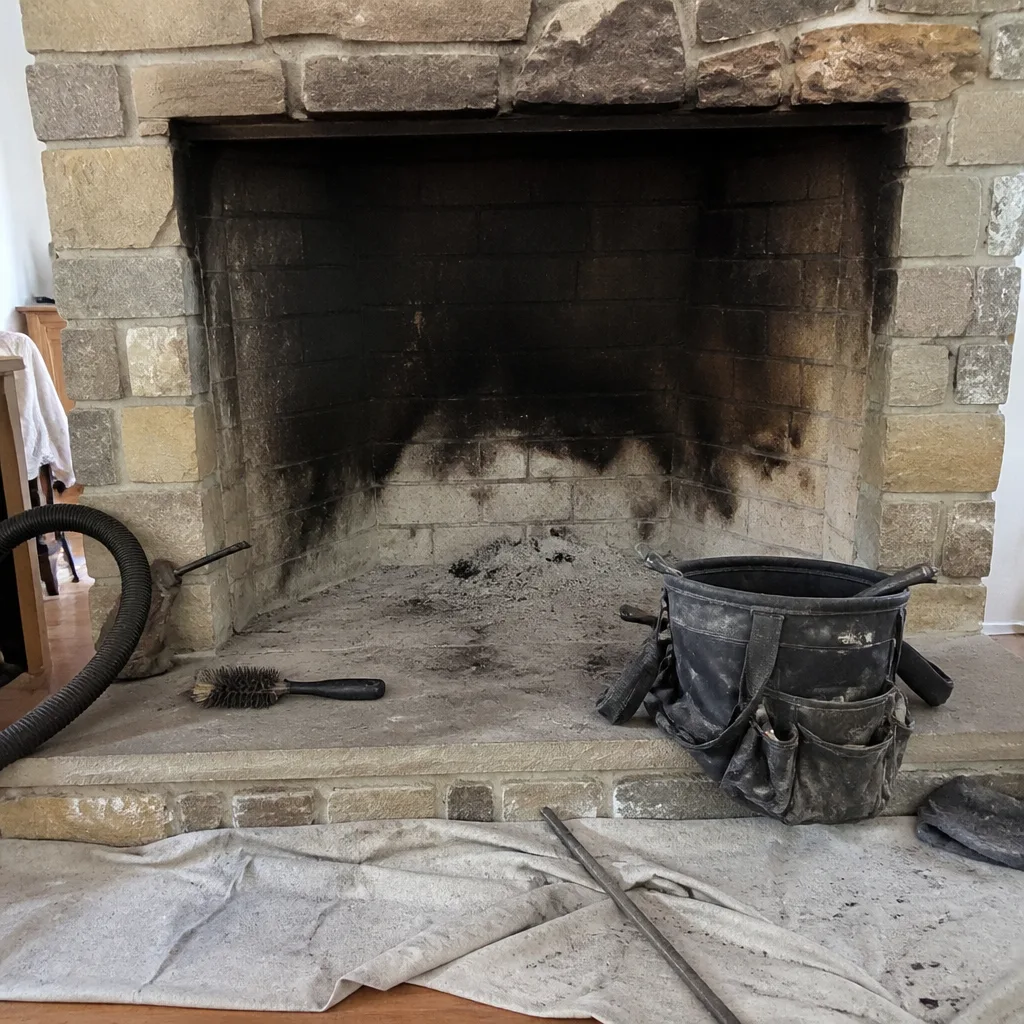 Before
 After
 Before
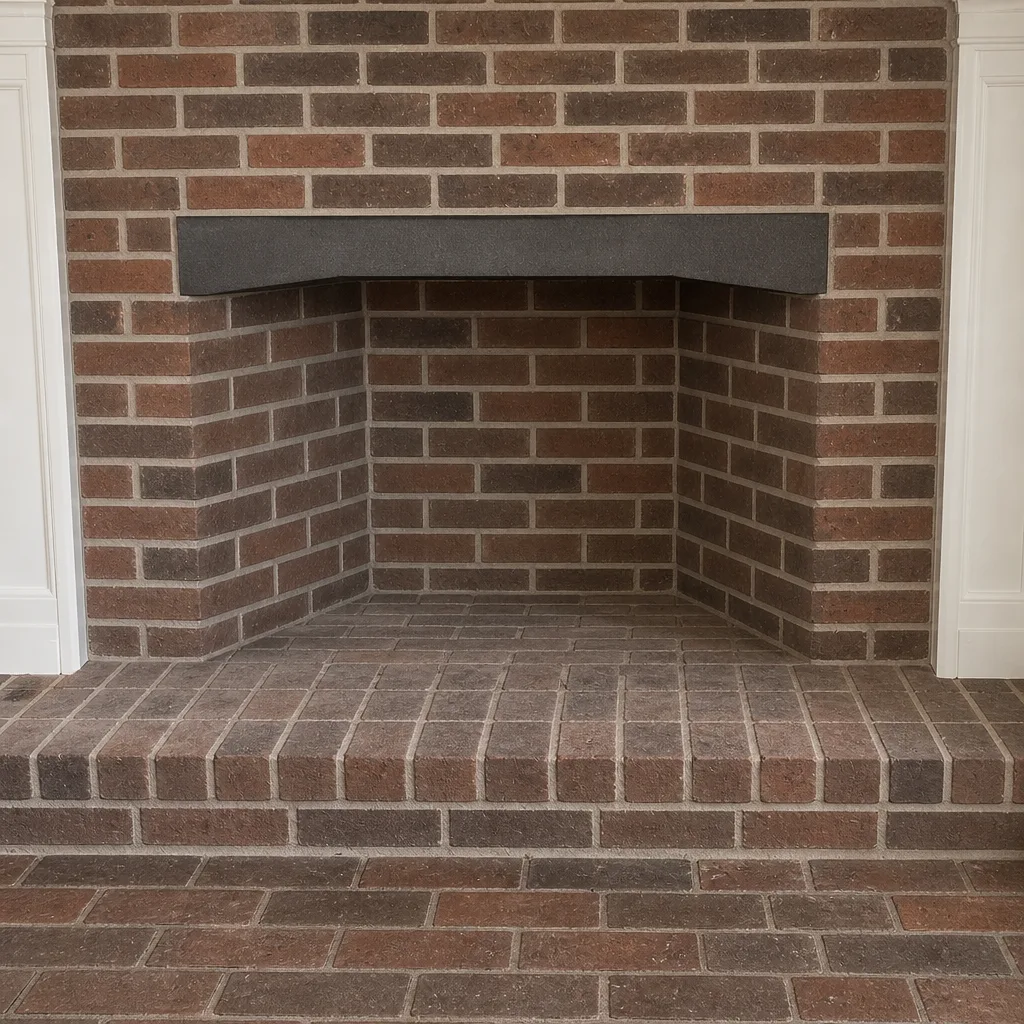 After
When to Call a Professional
Call a professional if you smell a strong smoky odor in the house between fires, if smoke spills into the room when the fire is going, if you’ve had a chimney fire, if the firebox has visible cracks, if the cap is missing or damaged, or if a home inspector flagged the chimney. Call before your next heating season if you haven’t had a cleaning in a year or more, and call before a sale if the buyer’s inspection report brings up the chimney. High-tension components, gas lines, and electrical work around a fireplace are not do-it-yourself territory. A trained professional should handle them. Chimney Sweep Five Points offers free estimates in Five Points. Call (855) 658-5081. We answer 24/7. Fast dispatch from 7am to 7pm, Sunday through Friday.
Frequently Asked Questions
A chimney sweep is priced per job after an inspection, and the written estimate sets the final price. Cost depends on the flue, the amount of buildup, the roof access, and whether a Level I or Level II inspection is included. A free estimate gives you a written scope before anything is booked. Call (855) 658-5081 for an exact quote, estimates are free.
Not always. Many chimneys that look like they need a full liner replacement can be restored with a resurfacing system like HeatShield, which addresses the flue interior and the smoke chamber without the cost of a full reline. The honest answer comes from a camera inspection, and you should see the footage yourself before any repair is recommended. If your liner is sound, we’ll tell you so. Call (855) 658-5081 to book the inspection, estimates are free.
At least once a year while it’s in use, and more often if you burn wood heavily or burn unseasoned wood. In Five Points, the humid summers and cool early-season fires build creosote faster than in drier climates, so booking the sweep before heating season is the practical habit. Call (855) 658-5081 to schedule, estimates are free.
Creosote builds up on the flue walls, and once it hardens into glazed creosote it’s harder and more expensive to remove. Heavy creosote deposits are a serious fire risk, and a blocked flue can push carbon monoxide back into the house. A missing cap lets water and wildlife in, which damages the masonry. The risk grows each season you skip. Call (855) 658-5081 to book a cleaning and inspection, estimates are free.
A Level II inspection includes a video scan of the flue interior and a closer look at the accessible parts of the system, and it’s the standard after a home sale, a liner change, or a chimney fire. In older Five Points homes where the flue history isn’t documented, a Level II is often the first honest look the chimney has had. Call (855) 658-5081 to talk through which level fits your situation, estimates are free.
Yes, a gas fireplace still needs its venting, cap, and firebox checked, and the annual habit applies. Gas venting work involves components that should only be handled by a trained technician, so this isn’t a do-it-yourself job. Call (855) 658-5081 to book, estimates are free.
The Bottom Line
Cleaning a chimney is a system diagnosis, not a single brush. The cap tells you whether water and wildlife are getting in. The crown tells you whether the masonry is shedding water or soaking it up. The smoke shelf and smoke chamber tell you how the fireplace has been drafting. The flue tells you how much creosote has built up and whether it’s the kind standard brushes can remove. Five Points homeowners who read those signals before the heating season spend less on repairs and skip fewer problems. If your current sweep never looks at the whole system, it’s time for one that does.
Chimney Sweep Five Points handles the full chimney from cap to firebox: sweeping, Level I and Level II inspections, cap and crown work, fireplace repair, and structural chimney repair, all with one company accountable from inspection to completed work. We install and work with DuraFlex, HeatShield, Gelco, Olympia Chimney, Famco, and Copperfield, so the repair is built from the right material for your specific flue. Our technicians have up to 12 years of experience, and we inspect before we recommend. If you want a straight answer about your chimney, start with a chimney sweep and a proper inspection. Call (855) 658-5081 for a free estimate. We answer 24/7. Fast dispatch from 7am to 7pm, Sunday through Friday. Learn more about Chimney Sweep Five Points and how we work.
Written by the team at Chimney Sweep Five Points.