
Last updated November 23, 2026
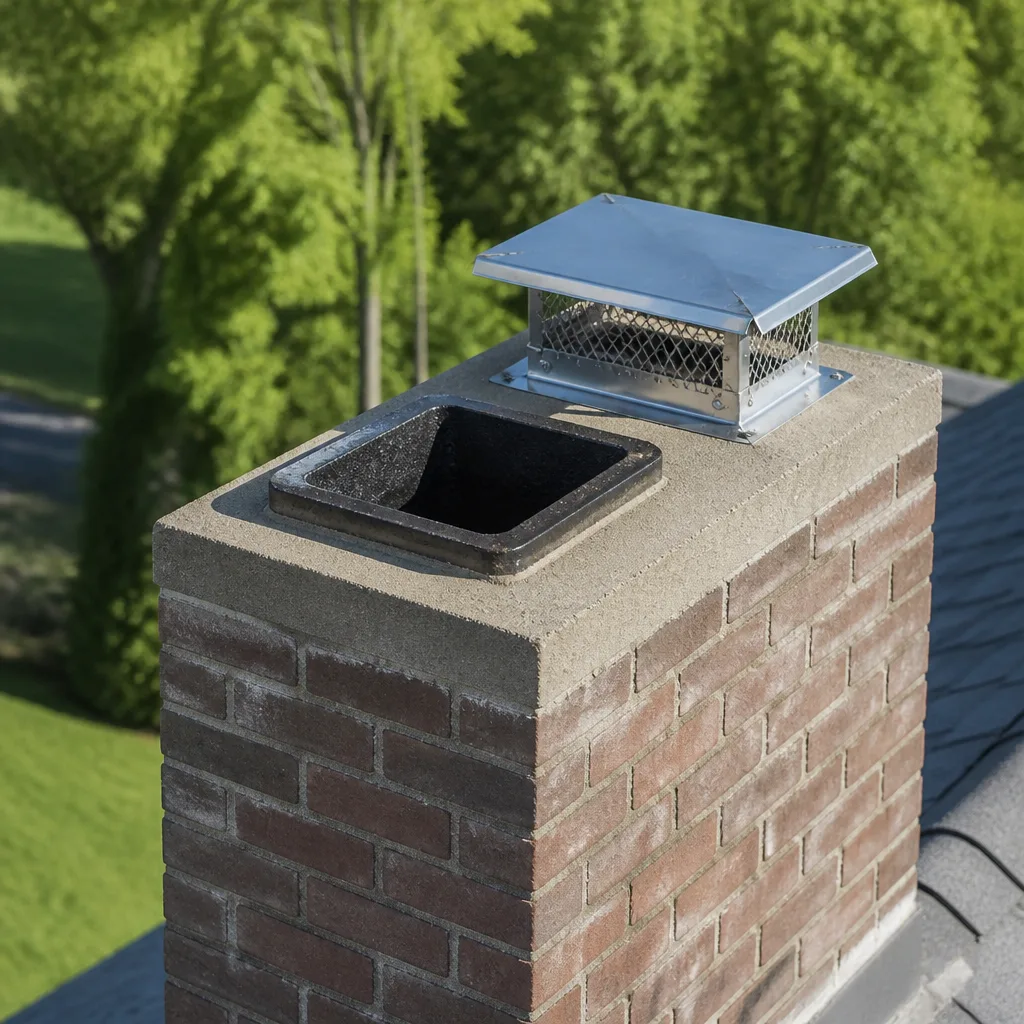 Sweep & inspection
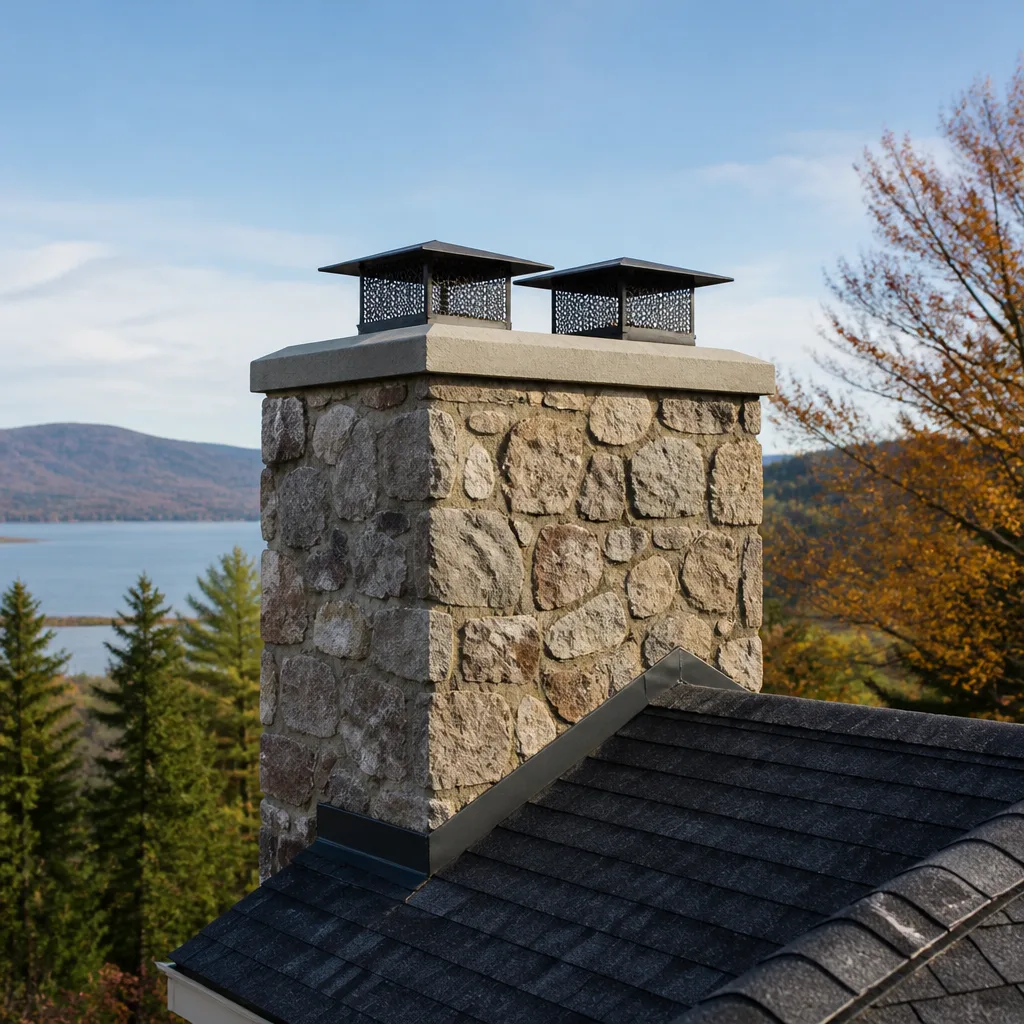 Caps & crowns
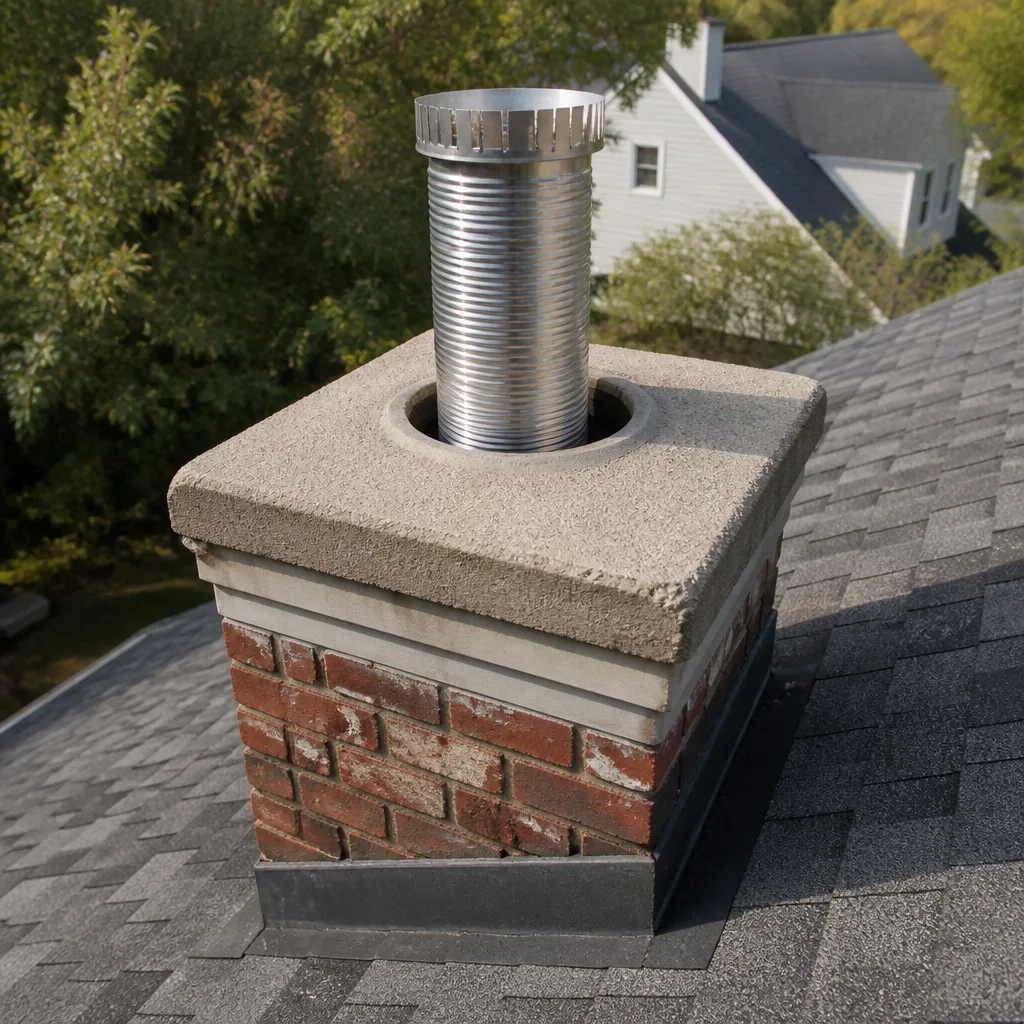 Flue relining
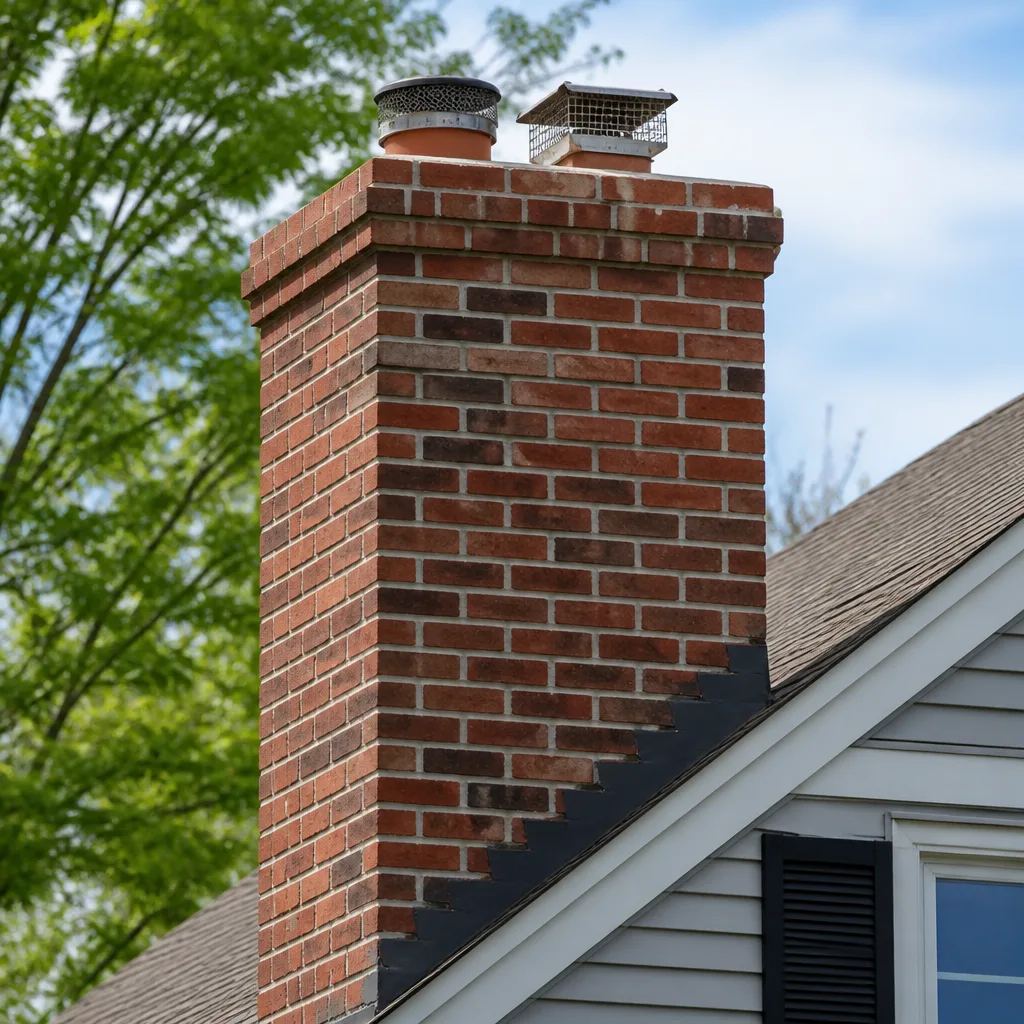 Masonry repair
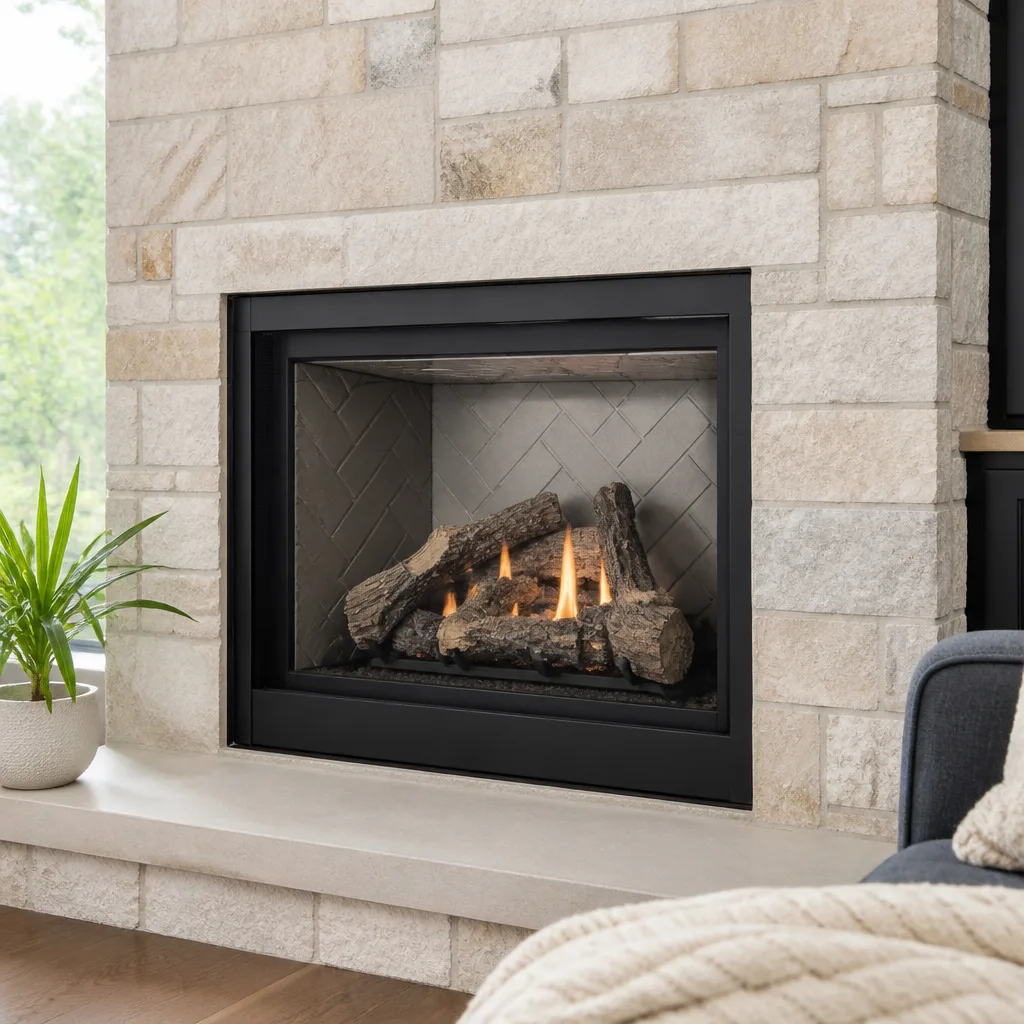 Gas fireplace service
Level 1 sweep and inspection to the NFPA 211 annual standard - flue, crown, cap, and flashing checked and photographed
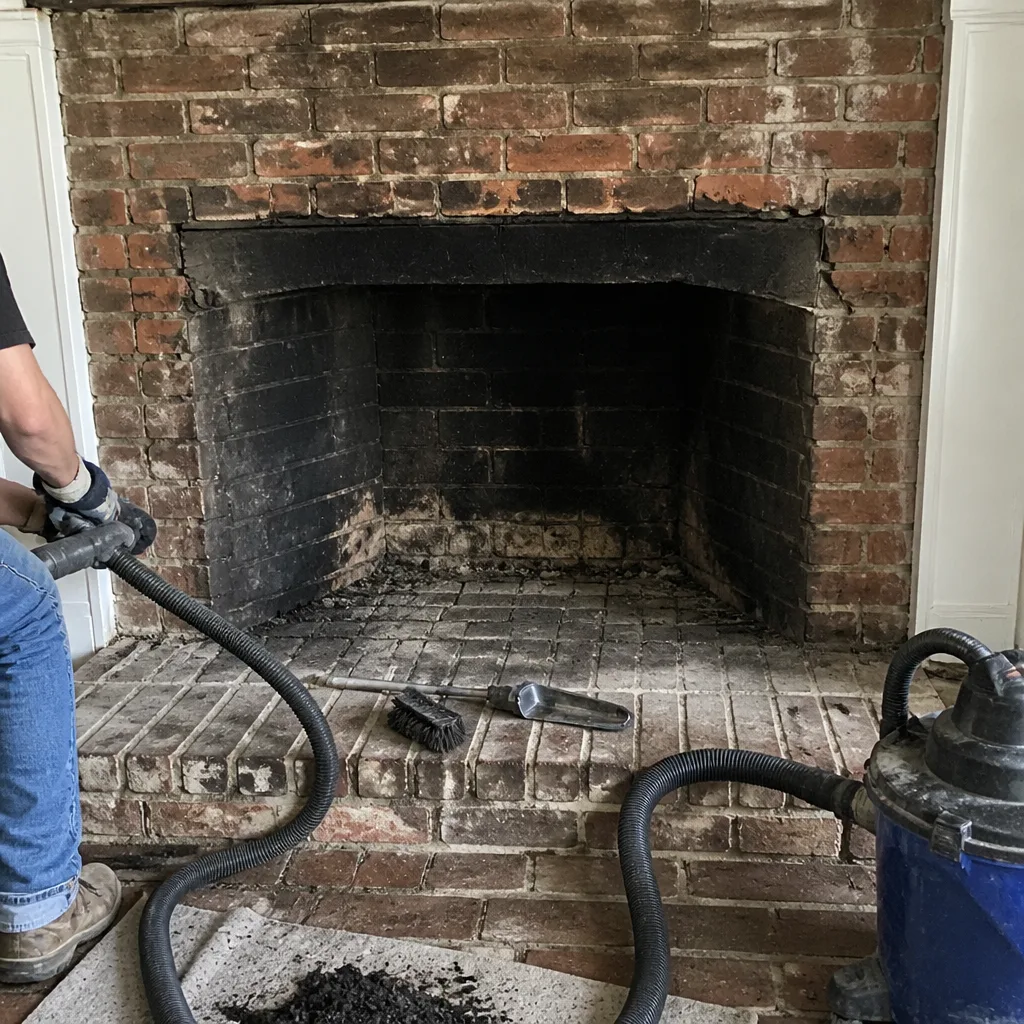
Chimney sweep logs do not sweep chimneys. They loosen some creosote - which then falls where a brush and vacuum still have to collect it.
Seasonal Chimney Cleaning Care for Five Points: Year-Round Homeowner’s Guide
Most chimney care advice you’ll find online tells you to book a sweep in early fall, right before you start burning. In Five Points, that advice is backwards. Our humid summers push moisture into masonry and flue linings for months, and late summer is the one window when that damage is visible, dry enough to repair, and not yet hidden under a season of soot. Wait until October and you’re standing in line behind every homeowner who read the same guide, with a problem that’s been quietly growing since spring. This guide walks through how each season treats a chimney in Five Points, what to check and when, and how to time professional service so your system is ready before the first cold night.
Quick Answer
In Five Points, the best time to schedule a professional chimney inspection and cleaning is late summer, from July into early September, because the humid season is when moisture damage, cracked crowns, and nesting debris are easiest to spot and address. A second mid-season check during heavy winter burning, plus a spring visual walk-around after the last fire, keeps the system sound year-round. Annual professional service remains the baseline; the timing is what most homeowners get wrong.
Styles & brands we work with
- Sweep & inspection
- Caps & crowns
- Flue relining
- Masonry repair
- Gas fireplace service
Table of Contents
- Why Late Summer Is the Best Inspection Window in Five Points
- How Each Season Creates a Different Chimney Risk
- The Case for a Mid-Season Check During Heavy Burning
- How Five Points’ Tree Canopy Affects Debris and Caps
- Month-by-Month Reference Card for Five Points Homeowners
- What You Can Check Yourself vs. What Needs a Professional
- What Chimney Service Typically Involves and How Timing Affects It
Why Late Summer Is the Best Inspection Window in Five Points
Five Points runs hot and humid through July and August, and that humidity does more to a chimney than most homeowners realize. Masonry is porous. Brick and mortar absorb moisture from humid air the way a sponge takes on water, and when that moisture sits in a chimney crown or a flue lining for weeks, it weakens the material from the inside. By the time you notice a problem in November, it has had months to spread.
Late summer gives you the clearest diagnostic picture of the year. Here’s why:
- Moisture damage is visible but not yet hidden. Cracks in the crown, spalling brick, and rusted damper hardware show up plainly after a humid season. Once you start burning, soot coats everything and hides the early signs.
- Nesting debris is at its peak. Birds, squirrels, and other animals use the warm months to build in uncapped flues. By late summer the nests are mature and easy to remove before they become a fire hazard.
- Repairs can cure before cold weather. Crown repair, cap installation, and flue resurfacing with HeatShield all need time and dry conditions to set properly. Doing this work in late summer means the material has cured well before the first freeze.
- You skip the fall backlog. Everyone calls in October. Scheduling in July or August means your chimney is done and inspected before the rush, not squeezed into a crowded calendar.
In our experience, the homeowners who avoid surprise repairs are the ones who treat late summer as their annual inspection window. Our technicians have up to 12 years of experience reading exactly these seasonal signs. The Chimney Sweep Five Points team inspects before recommending anything, and that inspection is where the real value starts.
How Each Season Creates a Different Chimney Risk
Think of the chimney as facing four distinct threats over the year, each calling for a different maintenance response. Understanding which season creates which risk helps you time service correctly instead of reacting to problems after they’ve grown.
Summer: Moisture and Nesting
Five Points summers are the moisture season. Humid air works its way into masonry, crowns, and flue linings, and animals take advantage of any uncapped flue. The maintenance response: a late-summer inspection to catch moisture damage and clear nests before burning season. If the crown is cracked, resurfacing or rebuilding it now prevents water from reaching the flue. If the flue is deteriorating, HeatShield resurfacing can restore it without a full liner replacement.
Fall: Nesting Debris and the First Fires
Fall is when nests and leaf debris that accumulated over the summer become an actual fire risk, because that’s when you light the first fire. Creosote begins to build as soon as you burn, and any obstruction in the flue traps it. The maintenance response: a professional sweep before the first fire, especially if you didn’t inspect in late summer. A cap from Gelco or Olympia Chimney installed now keeps animals and debris out for good.
Winter: Creosote and Heavy Burning
The compressed burning season in Five Points means concentrated creosote buildup in a short window. Every fire deposits a layer of creosote on the flue walls, and slow, cool fires deposit more. The maintenance response: burn hot, well-seasoned wood, and watch for signs of restricted draft. If you burn heavily, a mid-season check is worth considering (more on that below).
Spring: Freeze-Thaw and a Final Walk-Around
The last cold snaps and the freeze-thaw cycle put stress on mortar joints, crowns, and caps. Water that got in over winter expands when it freezes and can widen existing cracks. The maintenance response: a spring visual walk-around to look for new cracking, loose mortar, or a shifted cap. Catching these small now keeps them from becoming structural by fall.
The Case for a Mid-Season Check During Heavy Burning
Annual service is the baseline, but if you burn heavily through the winter, once a year may not be enough. A mid-season check is a short professional visit that looks at creosote accumulation and draft performance partway through your burning season. It’s not a full sweep every time, but it catches the situations annual service can miss.
Consider a mid-season check if any of these apply:
- You burn most days through the cold months. Heavy use builds creosote faster than occasional fires.
- You notice draft problems. Smoke rolling into the room, a fire that’s hard to start, or a smell when the fireplace is cold can point to buildup or obstruction.
- You burn green or unseasoned wood. Wet wood produces more creosote and more problems.
- You’ve never had your flue inspected. An unknown flue during heavy burning is a risk worth resolving.
The point of a mid-season check is not to sell you more service. It’s to confirm that what’s happening inside the flue matches what you expect. A sweep scheduled through our chimney sweep service includes an honest look at buildup and draft, and if the flue is fine, we tell you so. That’s what “we inspect before we recommend” means in practice.
How Five Points’ Tree Canopy Affects Debris and Caps
Five Points is a mature, tree-lined part of town, and that canopy changes how fast a chimney collects debris. Leaves, twigs, seed pods, and the animals that live in the trees all find their way to an uncapped flue. A chimney under a large oak or maple fills faster than one in an open yard, and the debris that lands on the crown and in the flue is the raw material for both moisture problems and fire risk.
This is why cap and crown inspection matters more often here than a once-a-year glance suggests. What to check, generally, from the ground:
- Is there a cap on the flue? An uncapped flue under trees is an open invitation to nesting animals and falling debris.
- Is the crown cracked or crumbling? The crown is the concrete cap at the top of the masonry that sheds water away from the flue. A cracked crown lets water in.
- Is debris visible on or around the crown? Leaves and twigs collecting near the flue are a sign the cap is missing, damaged, or undersized.
- Are there animal droppings or nesting material? Both point to a flue that’s being used by something other than your fire.
A properly fitted cap solves most of this. We install caps sourced from Gelco, Famco, and Olympia Chimney, dedicated chimney product manufacturers rather than generic hardware-store substitutes that fail prematurely. Professional-grade parts last longer and fit correctly, and on a Five Points lot with mature trees, that reliability is the difference between a cap that lasts and one you replace every couple of years. For more on chimney cap & crown work, that’s the repair path worth understanding.
Month-by-Month Reference Card for Five Points Homeowners
Here’s a practical card to time your year. It separates what you can reasonably do yourself from what needs a professional on the roof or inside the flue. Print it, stick it on the fridge, and use it as a reminder rather than a rigid schedule.
January – February: Deep Winter Burning
- DIY: Visual check for smoke entering the room or unusual odors; keep a glass of water handy to test draft (a smoky fire means restricted flow).
- Professional: Mid-season check if you burn most days. Confirm creosote isn’t building dangerously.
March – April: Spring Walk-Around
- DIY: From the ground, look for new cracking on the crown, a shifted cap, or loose mortar. Check the firebox for cracks.
- Professional: Schedule any crown or cap repair found before summer rain arrives.
May – June: Pre-Summer Prep
- DIY: Confirm the cap is secure before nesting season peaks; check that the damper opens and closes smoothly.
- Professional: Book your late-summer inspection now, before the fall rush begins.
July – August: The Inspection Window
- DIY: Note any drafts, odors, or signs of water in the firebox after heavy rain.
- Professional: This is the prime season for a full inspection. Clear nests, evaluate moisture damage, and plan any flue resurfacing or relining.
September: Pre-Season Sweep
- DIY: Clear the firebox of ash and debris; stock dry, seasoned wood.
- Professional: Final sweep and inspection before the first fire. Confirm the cap and crown are ready for winter.
October – December: Burning Season
- DIY: Burn hot, well-seasoned wood; watch for draft problems or smoke.
- Professional: Call if draft issues appear or creosote buildup is a concern. Don’t wait for spring if something feels off.
What You Can Check Yourself vs. What Needs a Professional
Knowing the line between a safe visual check and work that belongs to a professional keeps you out of danger and helps you time service correctly. Some chimney work is genuinely hazardous, and that’s not a sales pitch. It’s the reason the trade exists.
Safe DIY Visual Checks
- Look at the crown and cap from the ground with binoculars.
- Check that the damper opens, closes, and seals.
- Look inside the firebox for cracks in the brick or gaps in the mortar.
- Notice odors, smoke backup, or unusual draft behavior.
- Keep the area around the hearth clear of combustible items.
Leave These to a Professional
- Anything on the roof or at the crown. Falls and height work are a serious risk; don’t climb a roof to inspect or repair a chimney.
- Sweeping inside the flue. Proper sweeping requires the right tools and a clear view of the flue lining. A homeowner brush can miss buildup and can’t evaluate the lining.
- Flue resurfacing or relining. HeatShield resurfacing and DuraFlex liner installation are specialized work that requires training and the right materials. A deteriorating flue lining can let heat and gases reach combustible parts of the house; this is not a weekend project.
- Creosote evaluation. Judging how much creosote is safe to leave in place is a professional call. Creosote is flammable, and a chimney fire is a serious event.
- Carbon monoxide concerns. A blocked or damaged flue can allow carbon monoxide to enter the home. If your alarm sounds or you suspect a problem, leave the home and call for help.
If you’re unsure whether something can wait, ask. A professional inspection will tell you what’s urgent and what can safely wait until the next seasonal window. A trained technician has a flashlight, a camera, and a view of the flue lining you can’t get from the fireplace. When we recommend a repair, we show you what we found, and the fireplace repair path starts with that same honest look rather than a guess.
What Chimney Service Typically Involves and How Timing Affects It
Pricing for chimney service is set per job by a written estimate, because every flue is different. What we can do is explain what typically goes into a job so you understand what you’re paying for, and how scheduling in the right season often affects the scope of the work rather than just the calendar.
- Inspection: A visual evaluation of the chimney, flue, crown, cap, and firebox, with the findings explained to you before any recommendation. We inspect before we recommend.
- Sweeping: Removing soot and creosote from the flue and firebox, plus a check of draft and buildup.
- Cap and crown: Installing a professional-grade cap or repairing the crown to shed water and keep debris out. Gelco, Famco, and Olympia Chimney components are the standard here.
- Flue resurfacing: HeatShield can restore a deteriorating flue without a full liner replacement in many cases, which is a cost-effective repair path most sweep-only companies can’t offer.
- Relining: For flues that need a full liner, DuraFlex liner systems handle complex jobs, including offset flues that cheaper operators avoid.
- Structural repair: Masonry, chimney, and firebox repair when the damage has moved beyond the surface.
Timing matters because late-summer work lets repairs cure before cold weather, avoids the fall backlog, and catches moisture damage while it’s still small. In our experience, a problem caught in July is often a smaller job than the same problem addressed in December. Call (855) 658-5081 for an exact quote. Estimates are free, we answer 24/7, and fast dispatch runs 7am to 7pm, Sunday through Friday.
Common Mistakes to Avoid
- Waiting until October to book. Fall is the peak rush. Booking in late summer gets you on the schedule before the backlog and lets any repair cure before cold weather.
- Skipping the cap. An uncapped flue under Five Points’ tree canopy fills with debris and invites nesting animals. A cap from a dedicated chimney manufacturer prevents most of that.
- Judging the flue by how it looks from the firebox. The flue lining runs the full height of the chimney, and a problem halfway up won’t show from below. Inspection is the only reliable way to know.
- Burning unseasoned or wet wood. Green wood produces more creosote and more draft problems. Stick to dry, seasoned wood.
- Ignoring small crown cracks. A hairline crack lets water into the masonry, and over a humid summer it spreads. Catch it in spring or summer.
- Assuming once-a-year service covers everything. If you burn heavily, a mid-season check can catch buildup that annual service would miss.
- Trying to sweep or repair the flue yourself. Height work and flue work carry real risk. A professional inspection is the safe starting point every time.
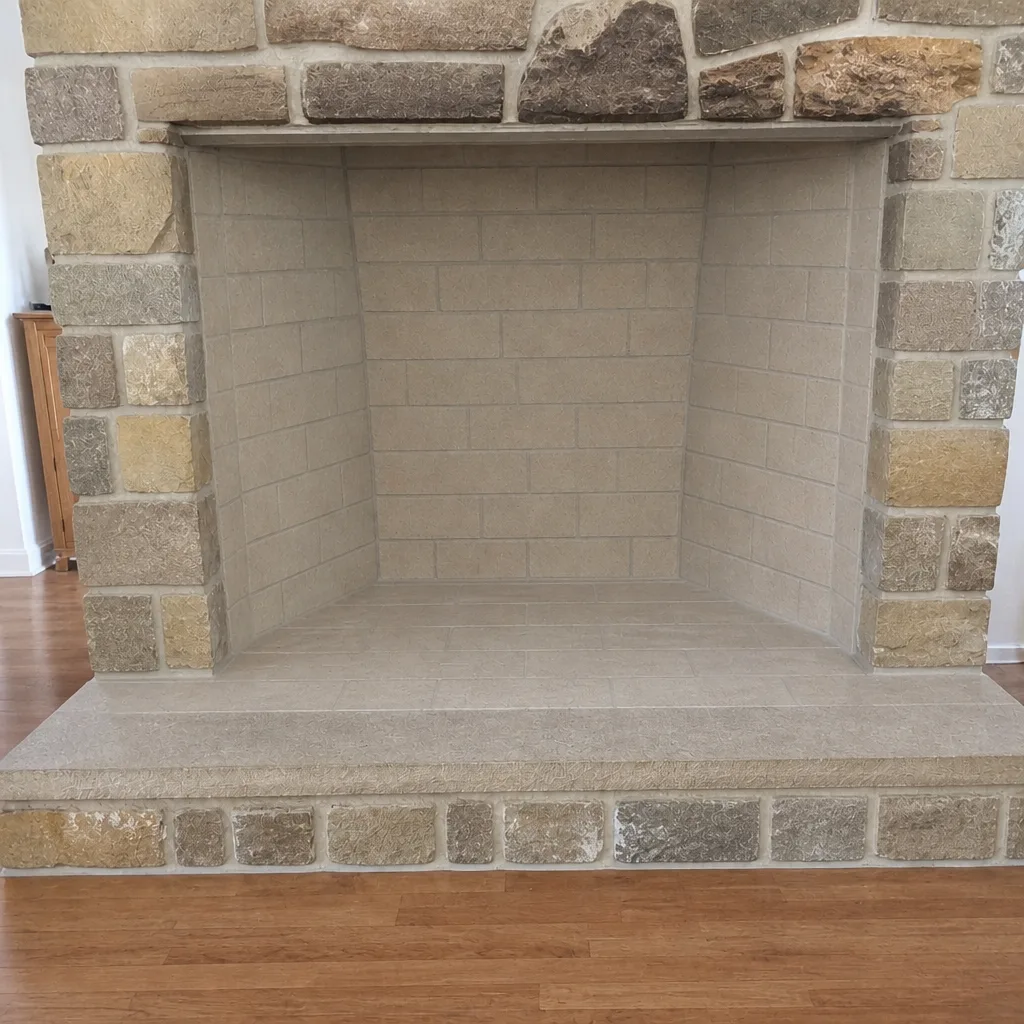
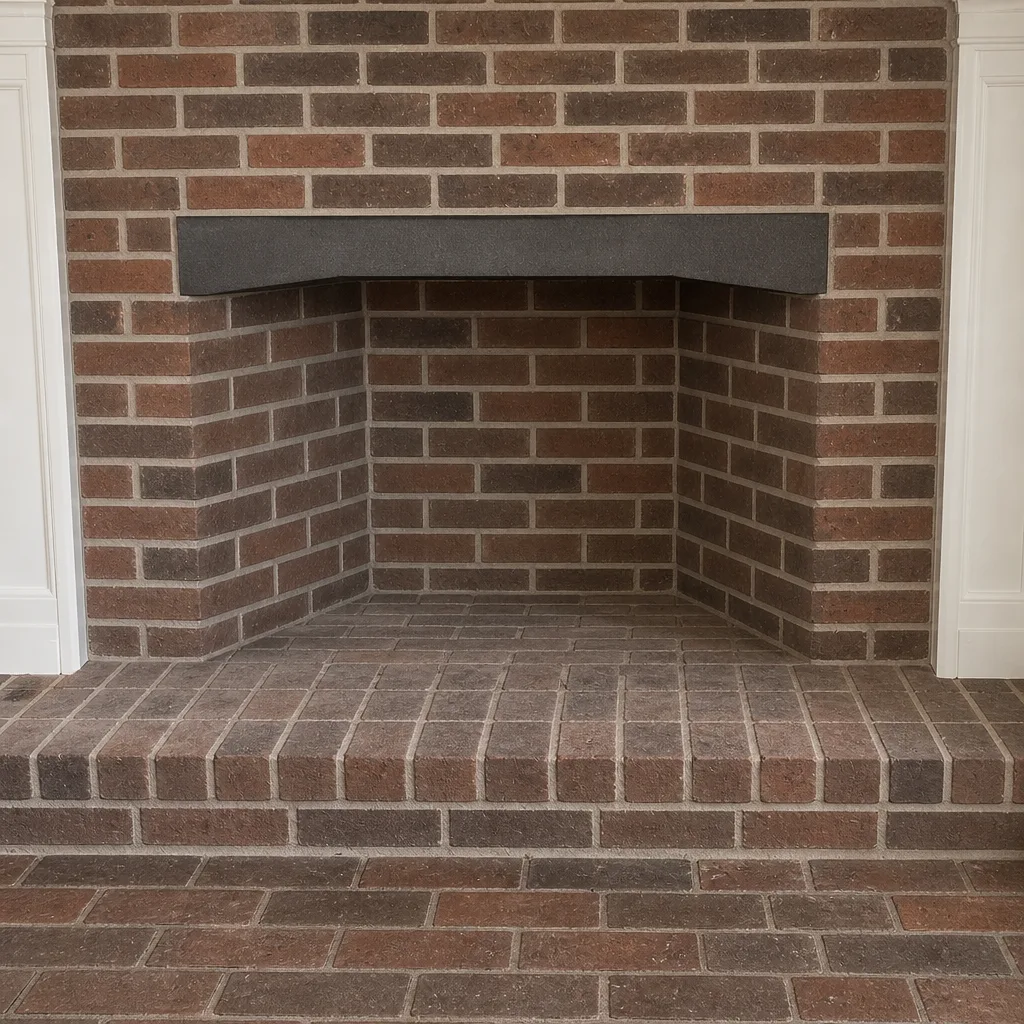
See the difference
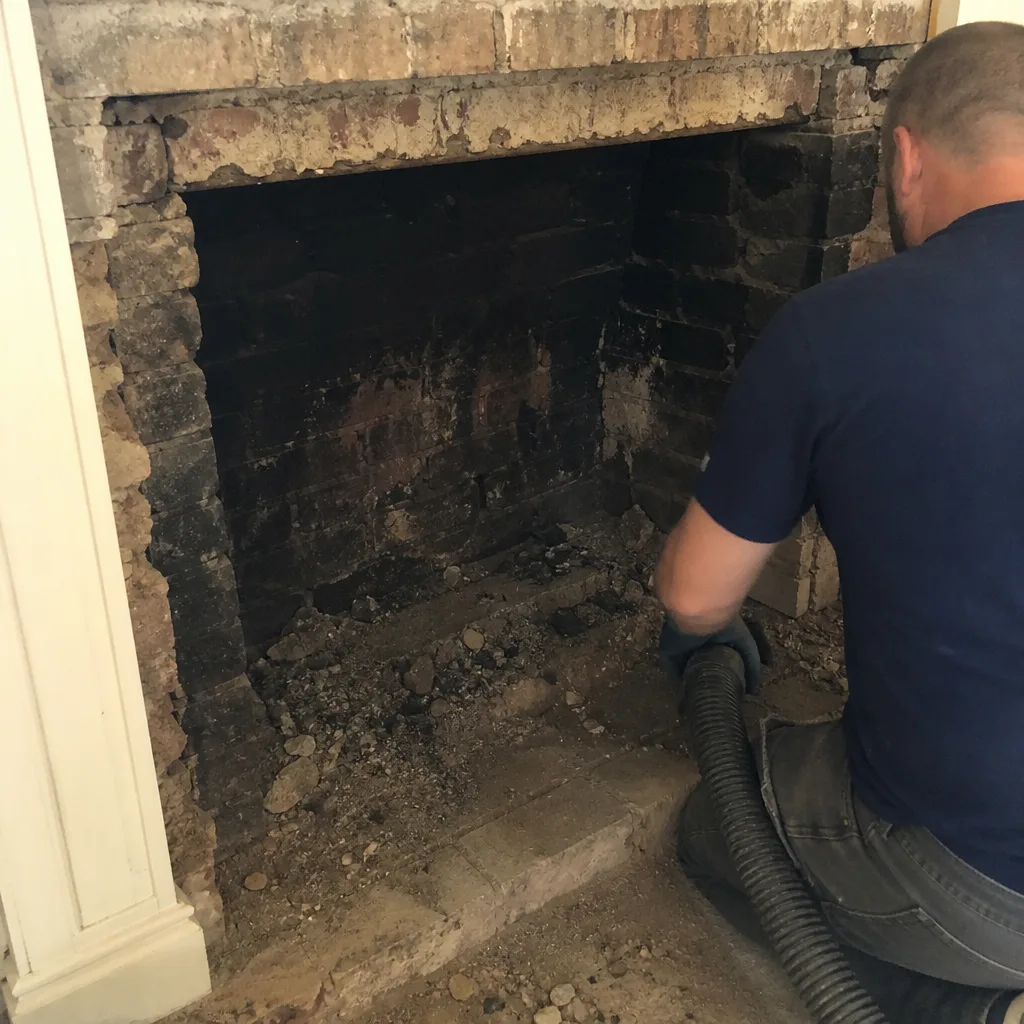 Before
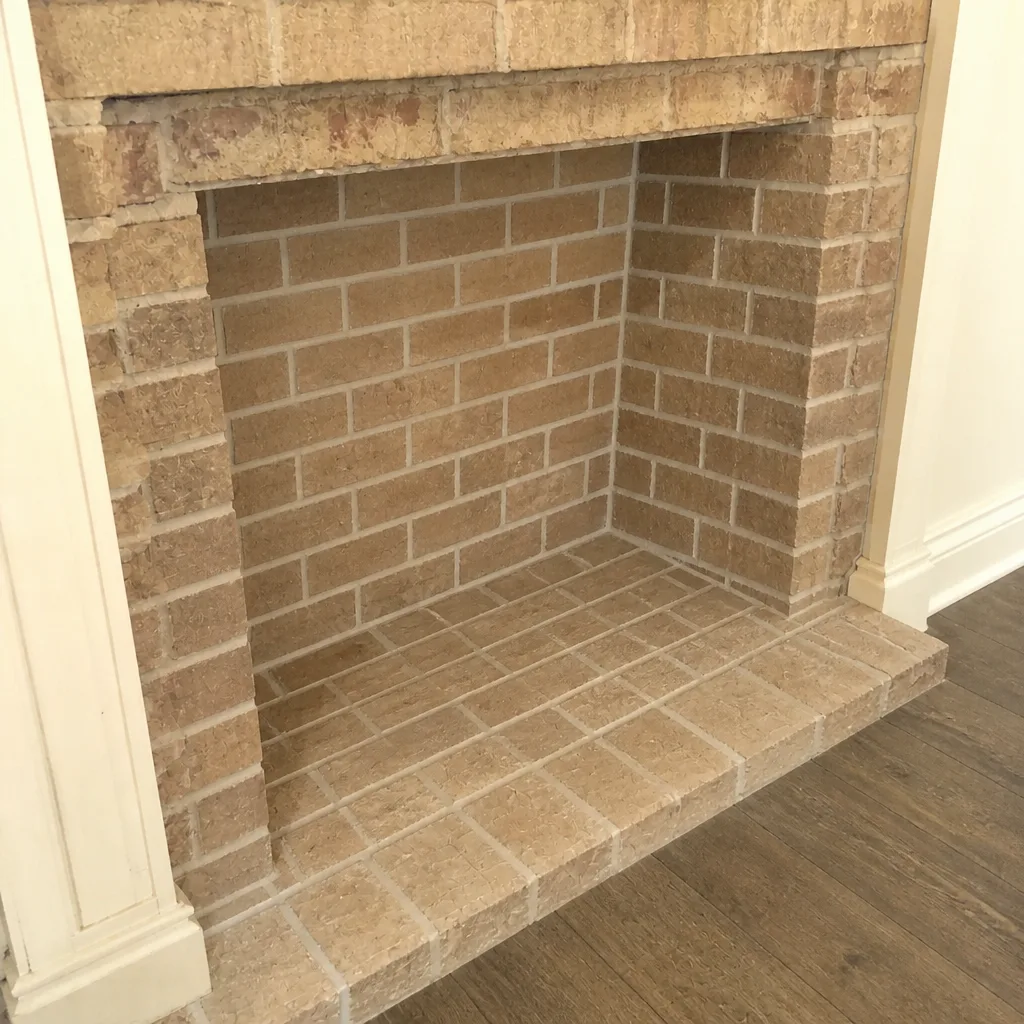 After
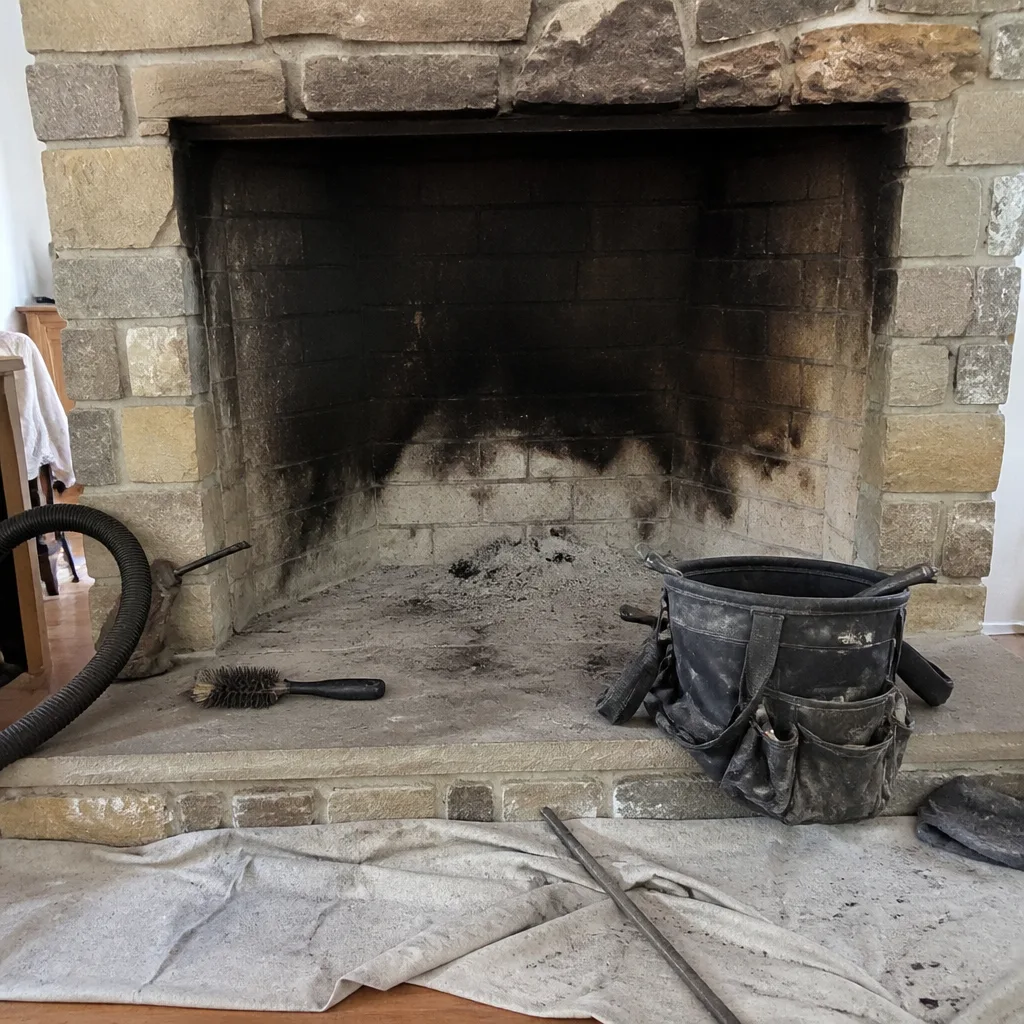 Before
 After
 Before
 After
When to Call a Professional
Some situations clearly call for a professional rather than a seasonal DIY check. Call us if you notice smoke rolling into the room when the fireplace is lit, a strong creosote or smoky odor when the fireplace is cold, visible cracking or crumbling on the crown, a missing or damaged cap, or any sign of water inside the firebox. Call if your carbon monoxide alarm sounds. Call if you’ve never had your flue inspected and you’re about to burn heavily through the winter.
And call if you just want to know where you stand before the season starts. Chimney Sweep Five Points offers free estimates in Five Points. Call (855) 658-5081. We answer 24/7, with fast dispatch from 7am to 7pm, Sunday through Friday, closed Saturday. A sweep booked in the right season is the simplest way to protect your system, and we’ll tell you plainly when work can wait.
Frequently Asked Questions
Late summer, from July into early September, is the best time. Five Points’ humid summers push moisture into masonry and flue linings, and that damage is easiest to spot and repair once the humidity eases and before the fall rush. Scheduling then avoids the October backlog and gives repairs time to cure before winter. Call (855) 658-5081 for an exact quote; estimates are free.
Once a year is the baseline for most homeowners, though heavy burning warrants a mid-season check. A chimney used most days through the winter can build creosote faster than annual service catches. If you burn heavily, ask about a mid-season check during your annual inspection. Call (855) 658-5081 to time your next sweep.
Yes, and in Five Points it matters more than in open areas. The mature tree canopy drops leaves, twigs, and seed pods, and nesting animals seek out uncapped flues. A properly fitted cap from a dedicated chimney manufacturer keeps debris and animals out and protects the crown. Call (855) 658-5081 for a free estimate on a cap.
Small problems grow. Moisture damage in the crown or flue lining spreads over a humid summer, nesting debris becomes a fire risk by fall, and creosote builds during burning season. The result is often a larger repair than a simple inspection and sweep would have needed. Call (855) 658-5081 for an exact quote; estimates are free, and we’ll tell you when work can safely wait.
In many cases, yes. HeatShield is a resurfacing system that can restore a deteriorating flue without a full liner replacement, which is a cost-effective repair path most sweep-only companies can’t offer. Whether it’s the right solution depends on the condition of your flue, which is why the inspection comes first. Call (855) 658-5081 to book an assessment.
Each season brings a different kind of stress. Summer’s humidity weakens masonry and flue linings, fall brings nesting debris and the first fires, winter concentrates creosote during heavy burning, and spring’s freeze-thaw cycle cracks mortar and crowns. Matching the season to the maintenance response is what keeps a Five Points chimney sound all year. Call (855) 658-5081 for an exact quote on seasonal service.
The Bottom Line
The national advice to book your chimney sweep in early fall is the wrong timing for Five Points. Our humid summers create moisture and nesting problems that are easiest to find and fix in late summer, before the fall backlog and before the first fire. Annual service is the baseline; a mid-season check during heavy burning and a spring walk-around keep the system covered the rest of the year. From cap to firebox, we inspect before we recommend, work with professional-grade parts, and tell you plainly when a repair can wait. Call (855) 658-5081 to book your late-summer inspection. Estimates are free, and we answer 24/7.
Written by the team at Chimney Sweep Five Points.