
Last updated November 23, 2026
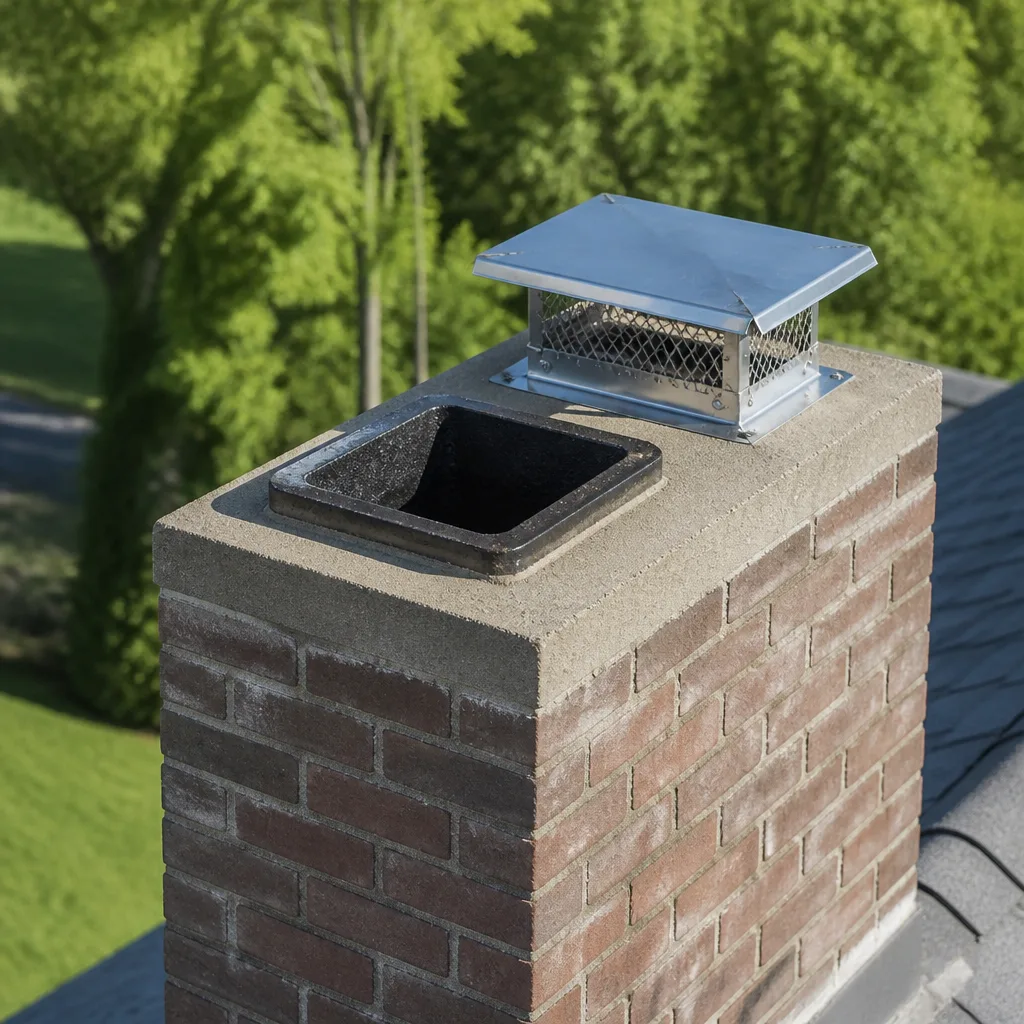 Sweep & inspection
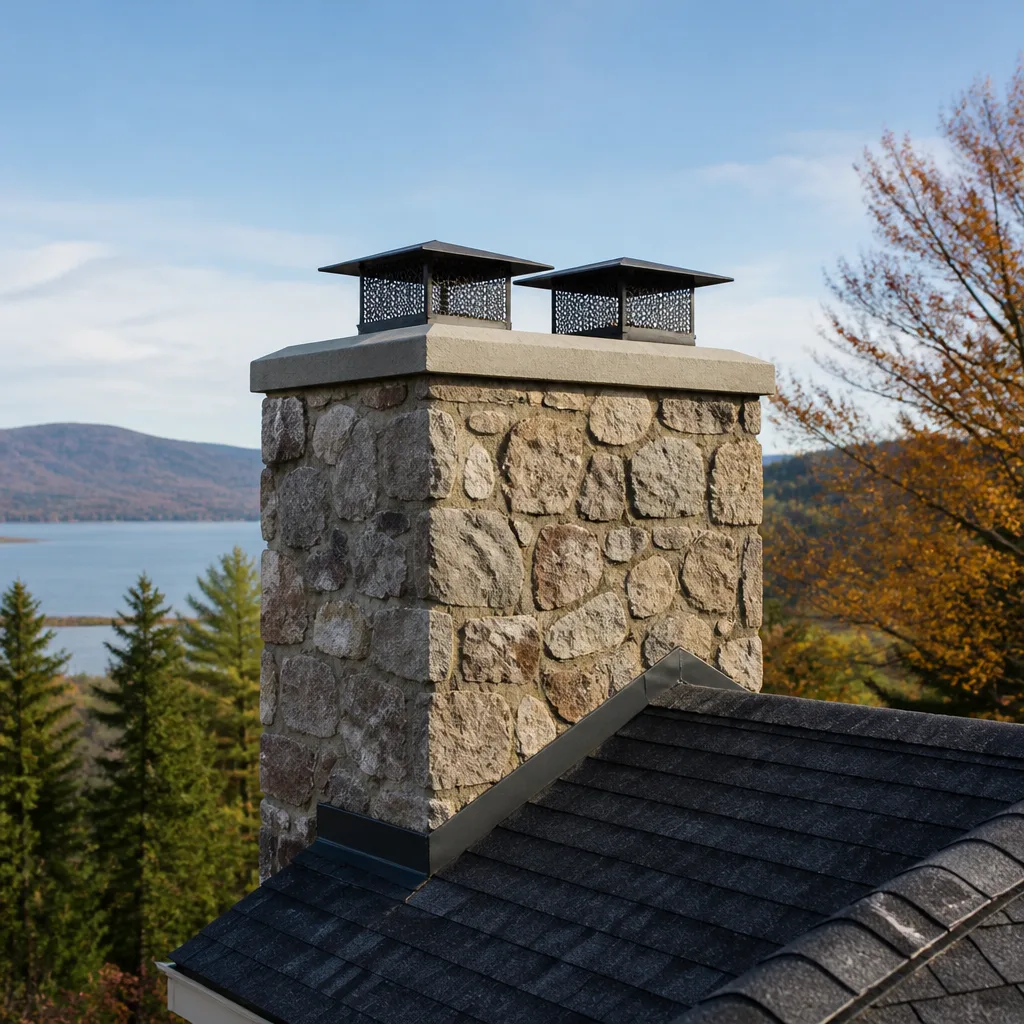 Caps & crowns
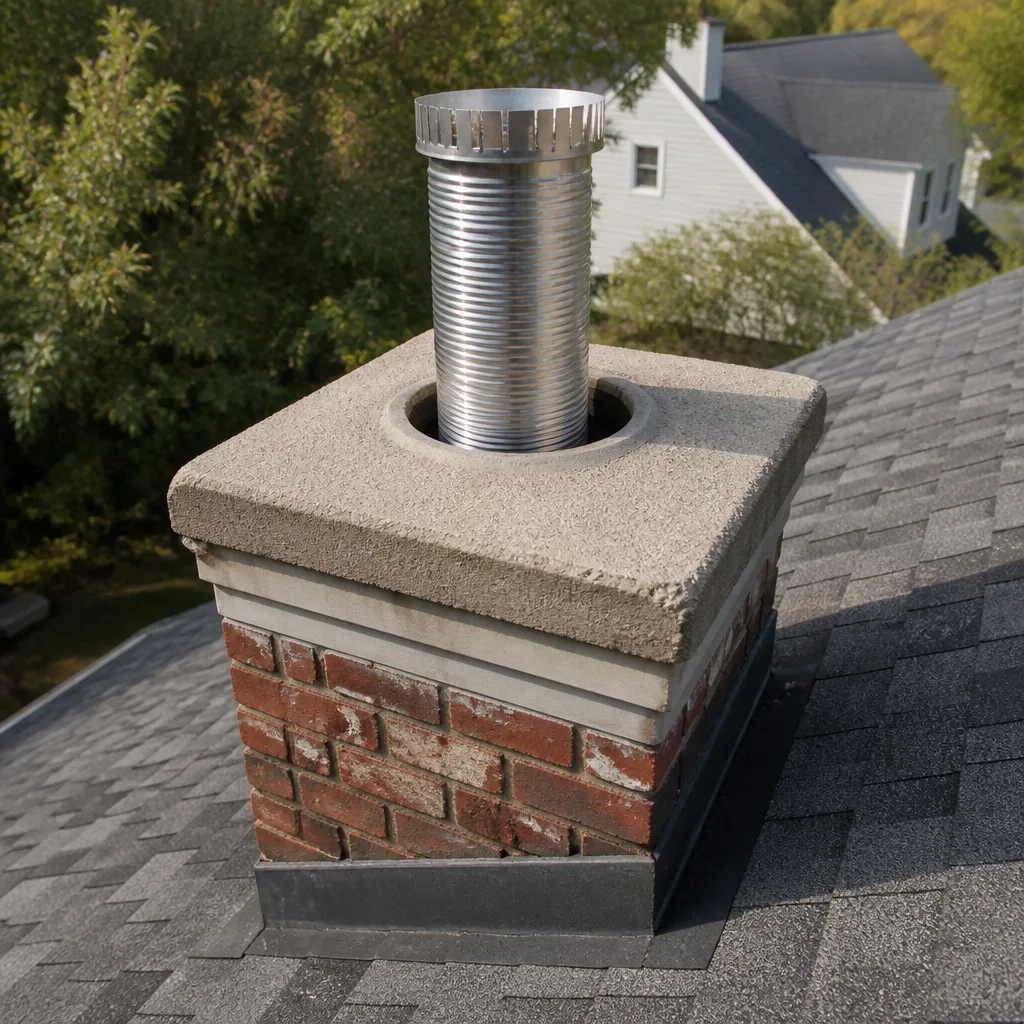 Flue relining
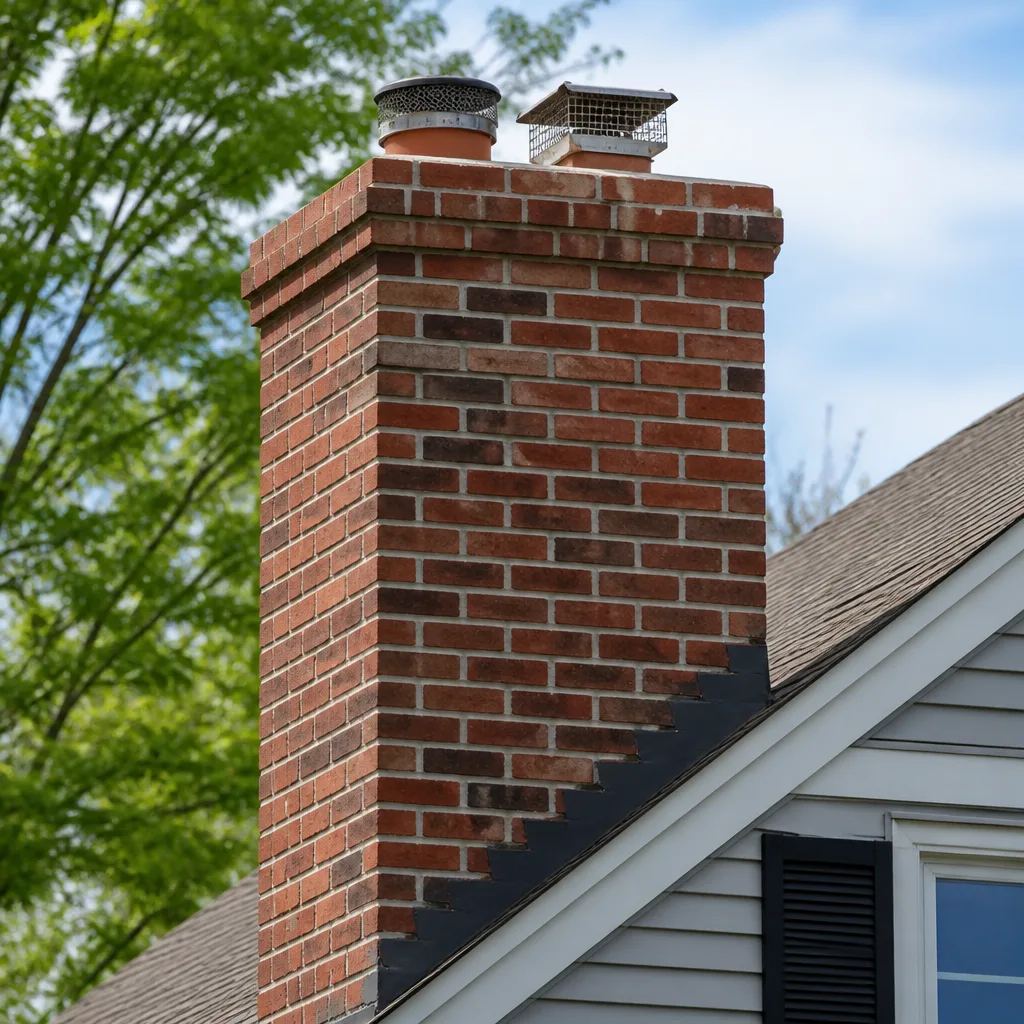 Masonry repair
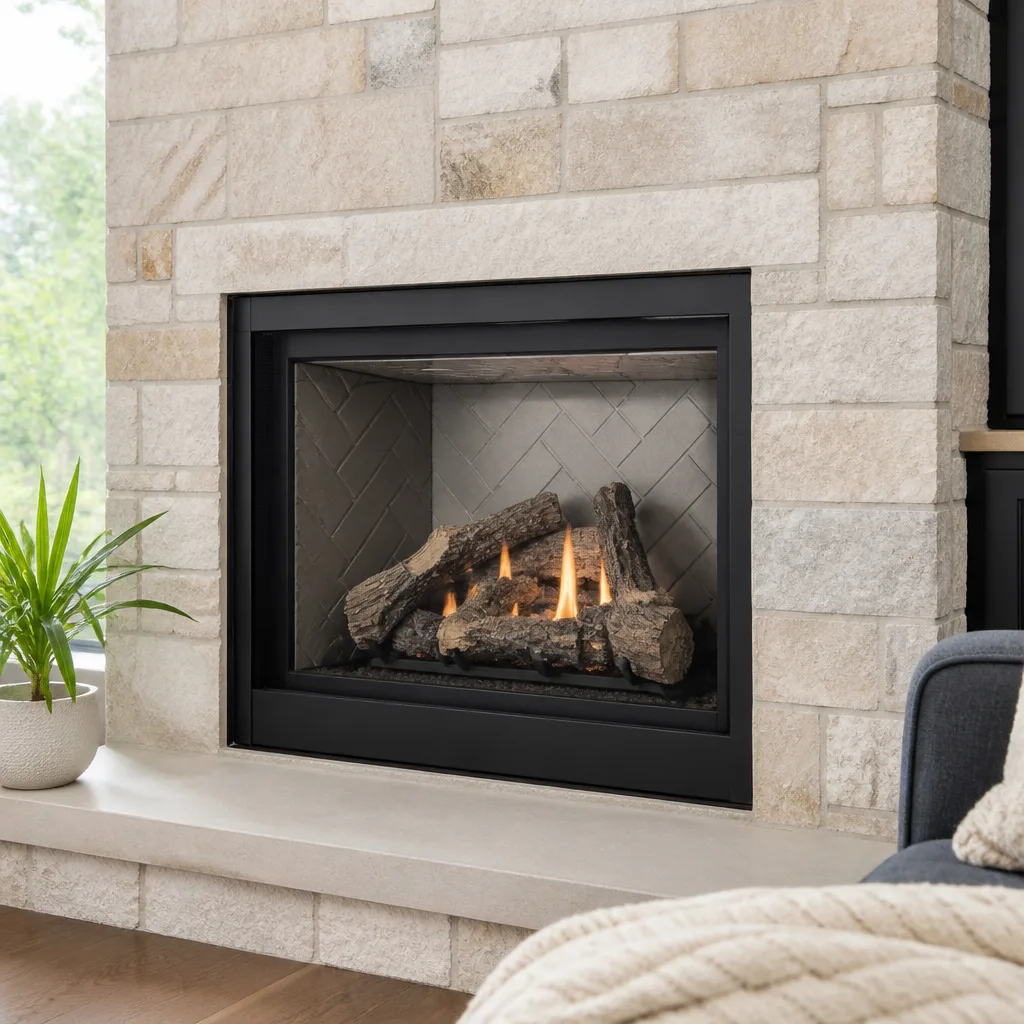 Gas fireplace service
Level 1 sweep and inspection to the NFPA 211 annual standard - flue, crown, cap, and flashing checked and photographed
Chimney sweep logs do not sweep chimneys. They loosen some creosote - which then falls where a brush and vacuum still have to collect it.
Chimney Cleaning Permits, Codes & Inspections in Five Points, NC: What You Need to Know
Most homeowners assume chimney work never needs a permit, and for a basic sweep that assumption holds up. The surprise comes later, when a liner replacement, a firebox rebuild, or a gas insert shows up on the estimate and suddenly North Carolina code and Wake County’s residential requirements matter a great deal. Insurance claims after a chimney fire have been denied because unpermitted liner work, installed years earlier by someone who “usually doesn’t bother,” was treated as a code violation tied to the incident. This guide walks through which chimney services need a permit in Five Points, what NFPA 211 actually asks for, and how to check a contractor’s work before the job starts instead of after.
Quick Answer
In North Carolina, routine chimney sweeping and Level I inspections are maintenance and don’t require a permit. Structural work does: liner replacement, firebox rebuilds, chimney reconstruction, and gas insert installations generally need a permit through Wake County or the local code authority, and the finished work should be inspected against NFPA 211 standards. Always confirm permit responsibility with your contractor in writing before work begins, and ask to see the permit record when the job is done.
Styles & brands we work with
- Sweep & inspection
- Caps & crowns
- Flue relining
- Masonry repair
- Gas fireplace service
Table of Contents
- Which Chimney Services Need a Permit in North Carolina?
- How Wake County Code and NFPA 211 Work Together
- Level 1, Level 2, and Level 3 Inspections: What Triggers Each
- How to Verify a Contractor’s Work Was Permitted
- What “Code Compliant” Really Means on a Chimney Estimate
- Why Five Points Chimneys Face Specific Wear
- Step-by-Step: A Permitted Chimney Project From Start to Finish
Which Chimney Services Need a Permit in North Carolina?
The line between maintenance and construction is where most homeowners get confused, and it’s the single most useful thing to understand before you hire anyone. Maintenance keeps a system working as designed. Construction changes the system. North Carolina treats those differently, and so should you.
Here’s how the split generally falls:
- No permit typically required: routine sweeping, Level I visual inspections, cap replacement where the existing crown is intact, minor mortar repointing on the exterior, and damper hardware swaps.
- Permit typically required: installing or replacing a flue liner, rebuilding a firebox, reconstructing the chimney above the roofline, installing a gas insert or new hearth appliance, and any change that alters the chimney’s structural footprint.
- Case by case: crown rebuilds that involve structural framing, chase cover installations on factory-built systems, and repairs that affect clearance to combustibles.
A sweep is maintenance, plain and simple. When we install a DuraFlex liner or apply HeatShield resurfacing to a deteriorating flue, that’s a repair to the venting system itself, and it belongs on a permit application in most Wake County jurisdictions. We inspect before we recommend, and part of that recommendation is telling you plainly whether the work ahead crosses into permitted territory.
If you’re unsure which category your job falls into, the fastest path is a call to your local building department. Describe the work in plain terms and ask whether a permit is required. That two-minute conversation protects you later if an insurance adjuster ever asks who signed off on the work.
How Wake County Code and NFPA 211 Work Together
Wake County adopts the North Carolina State Building Code, which in turn references national standards for chimney and venting systems. The one that matters most for homeowners is NFPA 211, the Standard for Chimneys, Fireplaces, Vents, and Solid Fuel-Burning Appliances. It’s the reference document inspectors and qualified technicians use to judge whether a system is safe.
What that means in practice: a building inspector isn’t personally evaluating your flue. They’re checking the installation against the code, and the code points to NFPA 211 for chimney clearances, liner requirements, termination heights, and the condition standards a flue must meet to stay in service. A permit inspection and a Level 2 chimney inspection answer different questions, but they overlap.
Key intersections between code and NFPA 211 for Five Points homes:
- Clearance to combustibles: the gap between the chimney and framing materials has to match the standard, and older homes sometimes fall short after a renovation.
- Liner continuity: a flue has to be continuous from the appliance to the top, with no offsets left unsealed or gaps in the liner.
- Termination height: the chimney top must clear the roofline by the standard’s stated distance, which matters on the pitched roofs common in Five Points.
- Appliance connections: a new insert or stove has to be connected to a properly sized, listed flue.
We work with professional-grade product lines like Olympia Chimney and Copperfield on these jobs because the components carry the listings an inspector expects to see. Hardware-store substitutes may look similar on the shelf but often lack the listing documentation that makes an inspection go smoothly. The right material for your specific flue isn’t a slogan here; it’s what keeps a permitted job from failing its final inspection.
Level 1, Level 2, and Level 3 Inspections: What Triggers Each
NFPA 211 defines three inspection levels, and the differences matter for permits. A Level 1 is what comes with a routine sweep. A Level 2 is what a real estate transaction or a new appliance installation calls for. A Level 3 goes beyond and is triggered by a specific event, usually a chimney fire or a known problem that a lower-level inspection can’t resolve.
Here’s the breakdown:
- Level 1 inspection covers readily accessible portions of the chimney and venting system, without tools that would damage the structure. It’s appropriate when conditions haven’t changed and the system is staying in service. No permit connection unless it uncovers a problem.
- Level 2 inspection goes into accessible attics, crawl spaces, and other concealed areas, and often involves a camera. It’s required when a property changes hands, when an appliance is replaced or added, or after an event that may have damaged the system. This is the level a permit inspector often wants to see.
- Level 3 inspection is targeted and may require opening walls or removing portions of the chimney to reach a suspected problem. It’s triggered by a known or suspected hazard, and it’s rare. A permitted reconstruction may call for one to confirm the source of a problem.
In our experience, the confusion in Five Points comes from thinking a Level 1 sweep is enough before a liner replacement. It isn’t. Any permit application for a venting system change should rest on at least a Level 2 evaluation, and the technician’s report should be in writing so the inspector and the insurer can see what was found and why the work was recommended.
How to Verify a Contractor’s Work Was Permitted
This is the step most homeowners skip, and it’s the one that protects them years later. You can verify permit status in Wake County without any special access, and it takes only a few minutes if you know what to ask for.
Follow this sequence:
- Ask before work begins. Get the contractor’s answer in writing: who pulls the permit, who pays for it, and what the permit number will be once issued.
- Check the permit record with the local code authority. Most jurisdictions have an online permit search or a phone line. Confirm the permit exists, matches your address, and describes the work actually being done.
- Confirm the inspection happened. A permit isn’t the finish line. The inspection sign-off is. Ask for the inspection result, not just the application.
- Keep the paperwork with your home records. When you sell, the buyer’s inspector will ask, and so will your insurer if a claim ever arises.
- Ask for the permit number on the final invoice. A contractor who did the work properly will have no trouble putting that number on paper.
The reason to ask before, not after, is simple. If the contractor can’t or won’t pull a permit, you’ve learned something important while you still have choices. After the work is done, your only options are to accept the risk or pay to have it done again. A local pro who’s licensed and insured as their state requires will expect the question and answer it without hesitation.
We make permit status part of the written estimate. That’s not a sales tactic. It’s a direct answer to the hesitation every homeowner has when someone says “you probably don’t need to bother with a permit.”
What “Code Compliant” Really Means on a Chimney Estimate
Any contractor can write “code compliant” on an estimate. The phrase means nothing until it’s defined, and defining it is exactly what separates a real estimate from a vague one. On a legitimate chimney estimate, “code compliant” should mean the proposed work will meet North Carolina’s adopted building code and NFPA 211 requirements, and the contractor will stand behind that claim through the permit and inspection process.
Questions to ask when you see the phrase:
- Which code and which standard does the work need to meet? If the answer is vague, the phrase is decoration.
- Will you pull the permit, and will you correct any inspection failure at no extra cost?
- What product is being installed, and is it listed for this application? Brand and model should be named on the estimate.
- Does the price include the inspection sign-off, or is that a separate line item?
- Who is responsible if the inspector rejects the installation? The estimate should say.
We name the product on every write-up because the brand is part of the compliance story. A DuraFlex liner system, a HeatShield resurfacing application, a Gelco or Famco cap and crown: each one carries the listings an inspector wants to see, and each one tells you exactly what’s going into your chimney. Restore before you replace is our default, and it’s a real option when the flue can be resurfaced rather than relined. HeatShield is the resurfacing system that makes that path possible.
If “code compliant” appears on an estimate with no permit line and no product named, ask. If the answer is “we’ll handle all that,” ask for it in writing. Nothing should be recommended without evidence you can see for yourself.
Why Five Points Chimneys Face Specific Wear
Five Points homes carry a particular set of chimney conditions that generalist contractors don’t always account for. The neighborhood’s older housing stock, mature tree canopy, and inland Piedmont humidity all shape what the inside of a flue looks like when we open it up.
Three local factors that drive repair and permit questions:
- Age of masonry chimneys: many of the homes around Five Points have masonry chimneys that have been in service for generations. Mortar joints soften, crowns crack, and flue tiles spall. That deterioration is often what turns a routine sweep into a permitted repair.
- Tree canopy and debris: the mature oaks and pines that make Five Points beautiful also deliver leaves, twigs, and animal nesting material into uncapped flues. A missing or damaged cap accelerates creosote buildup and moisture problems.
- Inland humidity cycles: piedmont summers bring humidity, and winters bring the freeze-thaw cycle. Water that finds a crack in the crown freezes, expands, and widens it. By the time a homeowner notices, the repair may involve more than sealing a hairline crack.
Those conditions are why so many Five Points jobs start as a sweep and end as a repair. We inspect before we recommend, and we tell you when the work can safely wait and when it can’t. That honest starting point is worth more than a lowball quote.
Step-by-Step: A Permitted Chimney Project From Start to Finish
Here’s how a permitted chimney repair in Five Points typically unfolds when it’s done properly. Timelines vary by jurisdiction and workload, so this is about sequence, not dates.
- Diagnostic inspection. A Level 1 or Level 2 inspection identifies the problem and produces a written report. Photographs or camera footage should be included so you can see what the technician sees.
- Written estimate with scope. The estimate names the products, describes the work, and states whether a permit is required. That last point should be explicit, not assumed.
- Permit application. The contractor pulls the permit through Wake County or the local code authority and provides the number to you.
- Installation. Liners, resurfacing, firebox work, or cap and crown installation proceed using listed materials. A cap or crown is sourced from a dedicated chimney product manufacturer rather than generic hardware.
- Inspection. A code official inspects the completed work against the adopted code and NFPA 211. If anything fails, the contractor corrects it and the work is re-inspected.
- Documentation. You receive the permit number, the inspection result, and the product documentation. Keep these with your home records.
That sequence matters because the alternative isn’t just a paperwork problem. It’s a liability you carry forward. When we handle a job end to end, the accountability stays with one company from inspection to sign-off. No handoffs, no one asking which crew was responsible for which part. If you want a full-system chimney specialist who handles the whole scope, that’s the model we work from. For routine service, our chimney sweep pages describe what a basic appointment includes, and our fireplace repair pages cover the appliance side of the system.
Common Mistakes to Avoid
- Assuming a sweep and a repair need the same paperwork. They don’t. A sweep is maintenance and a repair is construction. Ask which category your job falls into before hiring.
- Accepting “we usually don’t bother with permits.” That’s a red flag, not a favor. Unpermitted liner work can complicate an insurance claim after a fire, and the problem is yours to fix if it’s discovered later.
- Skipping the written inspection report. A verbal “your flue is fine” doesn’t document anything. You want a report you can show an inspector or an insurer.
- Letting a contractor name the product without proof it’s listed. The estimate should name the product and the application. Brand and model matter more than a verbal promise.
- Assuming a Level 1 inspection is enough before a major repair. A Level 2 is what a permit application and a real estate transaction should rest on, and it takes in concealed areas a Level 1 doesn’t reach.
- Ignoring the crown and cap while budgeting for a liner. Water intrusion is a leading cause of continued flue damage. A damaged crown will keep the problem going no matter what’s inside the flue.
- Waiting until the middle of heating season. A sweep and inspection before the first fire gives you time to schedule repair work without rushing it.
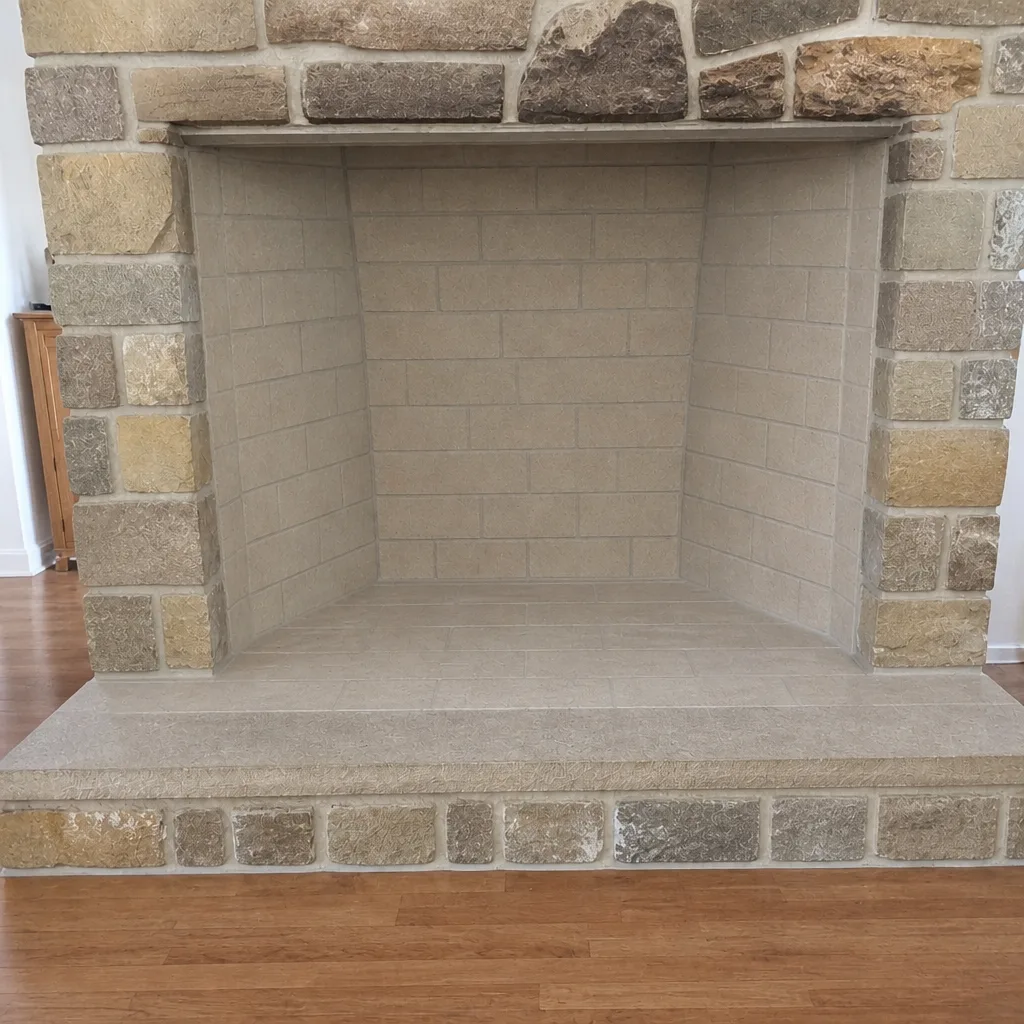
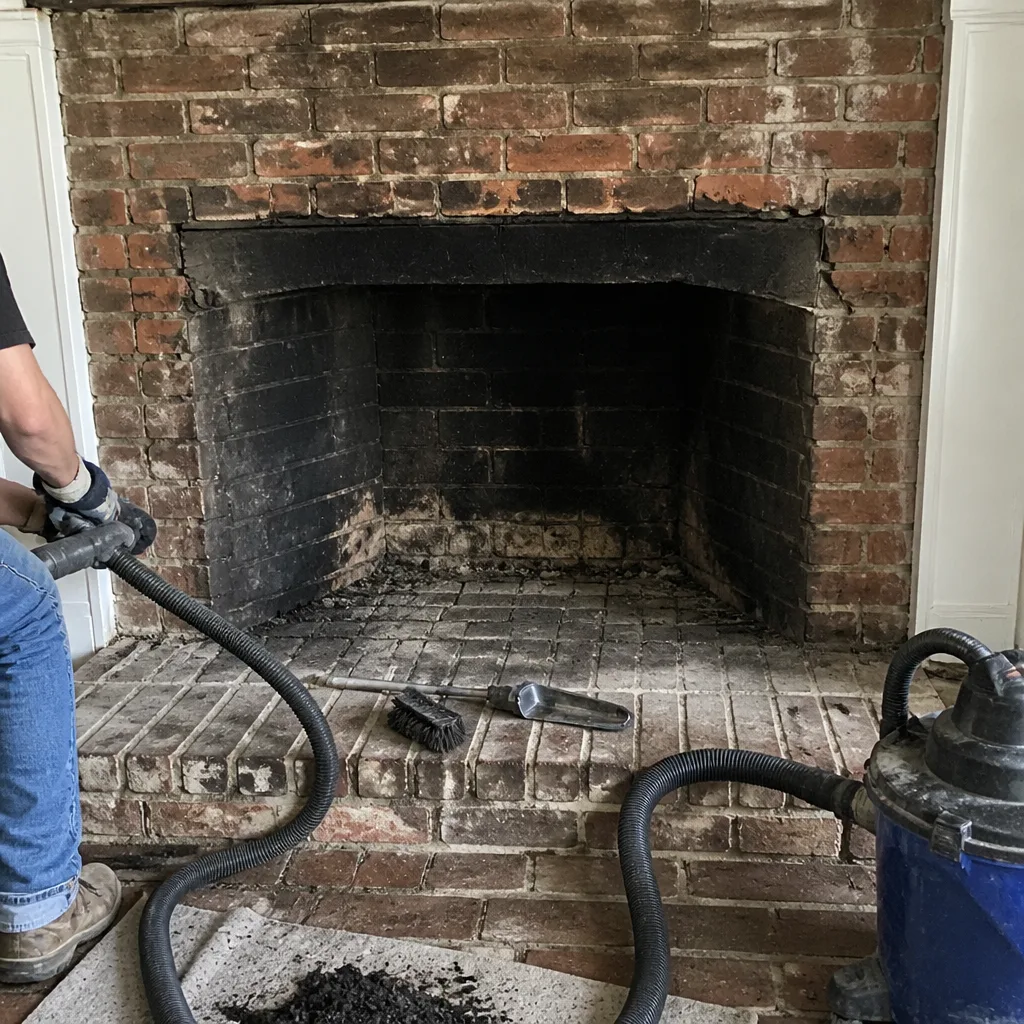
See the difference
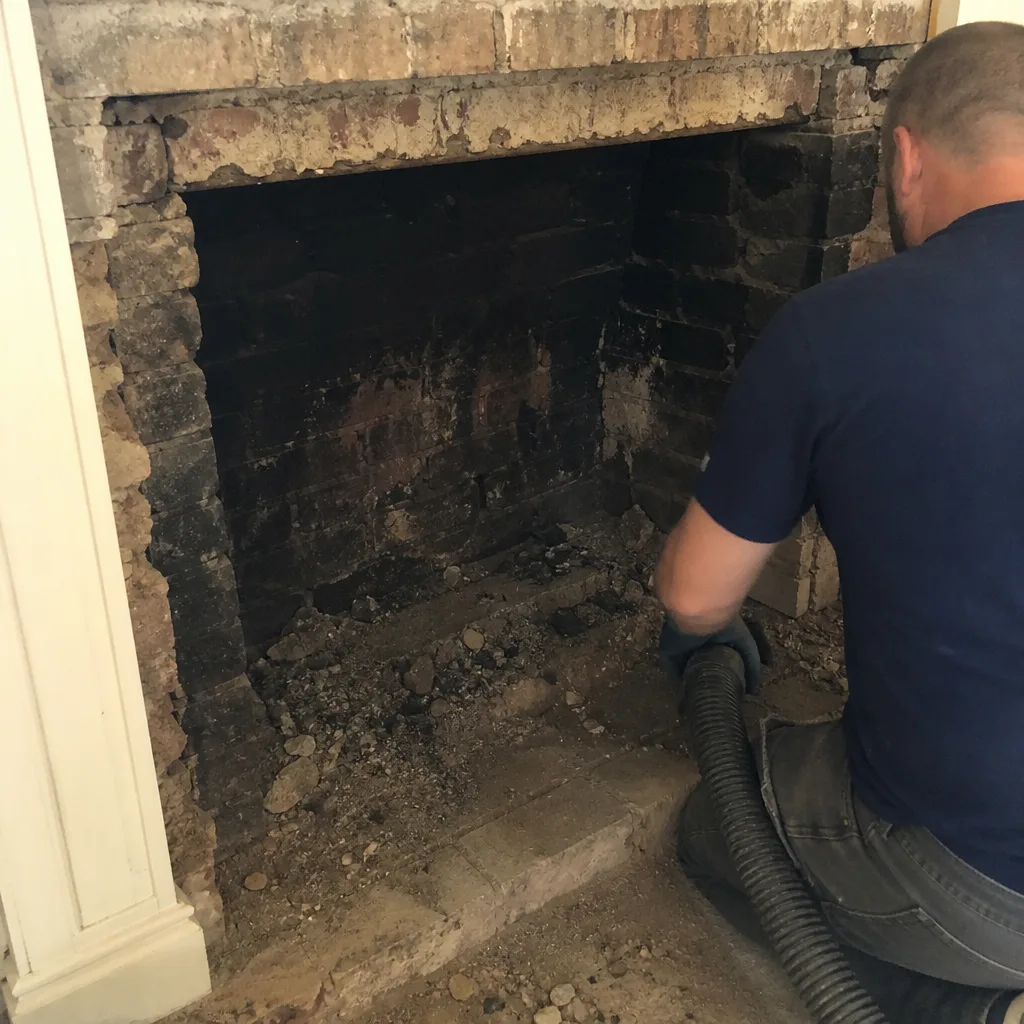 Before
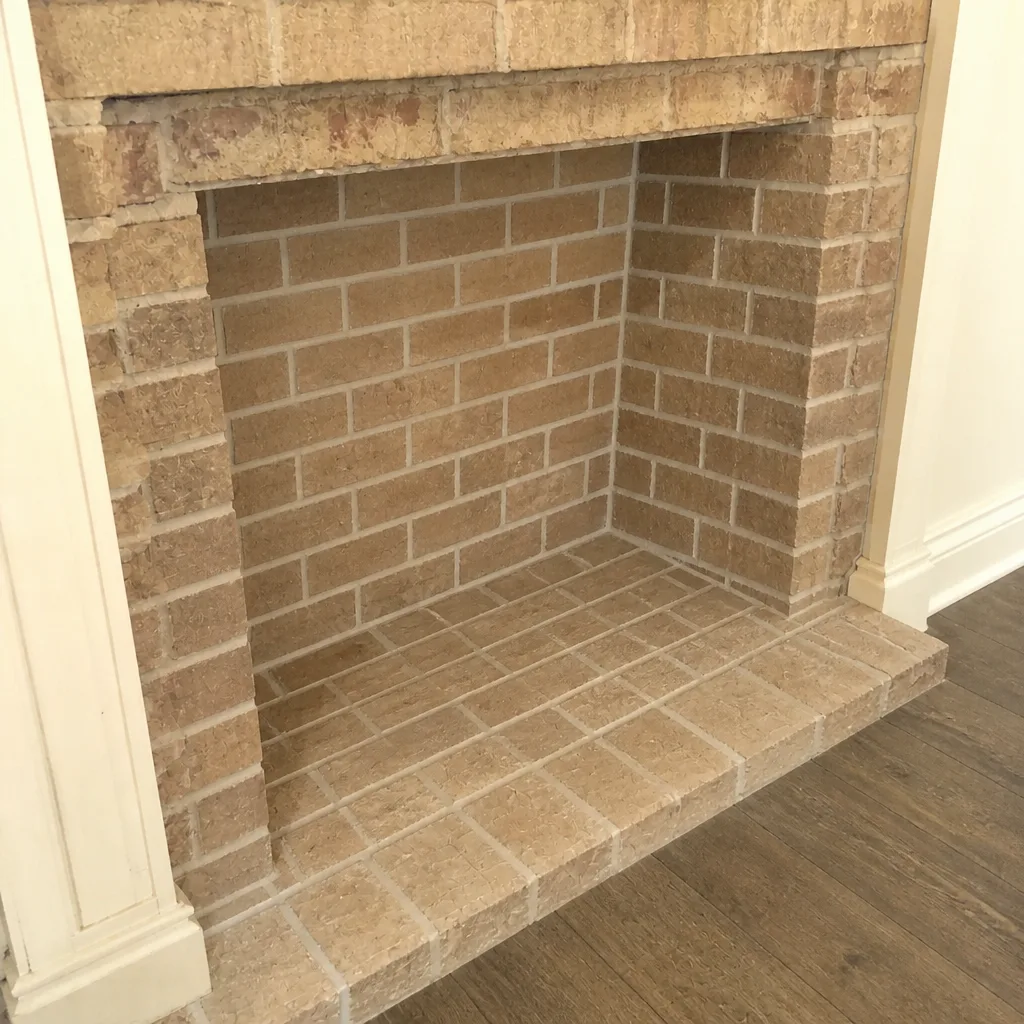 After
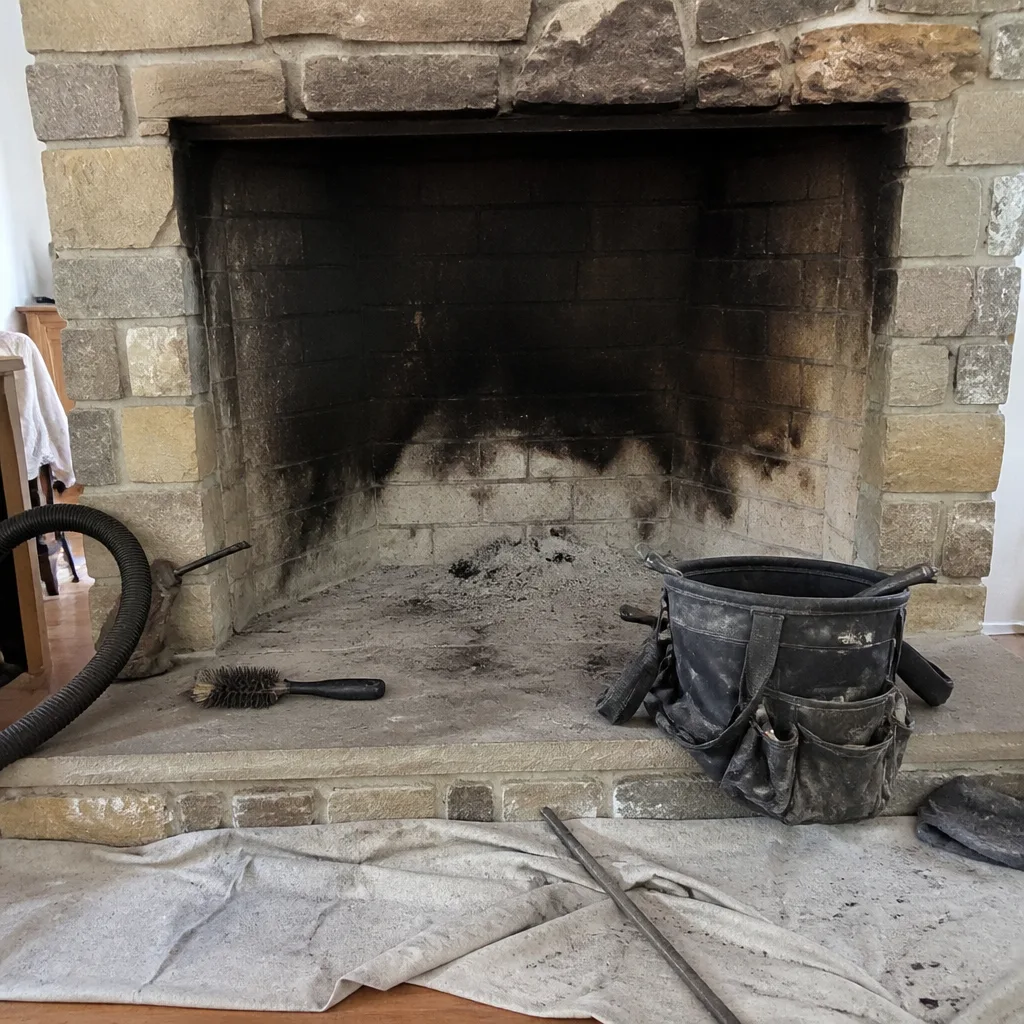 Before
 After
 Before
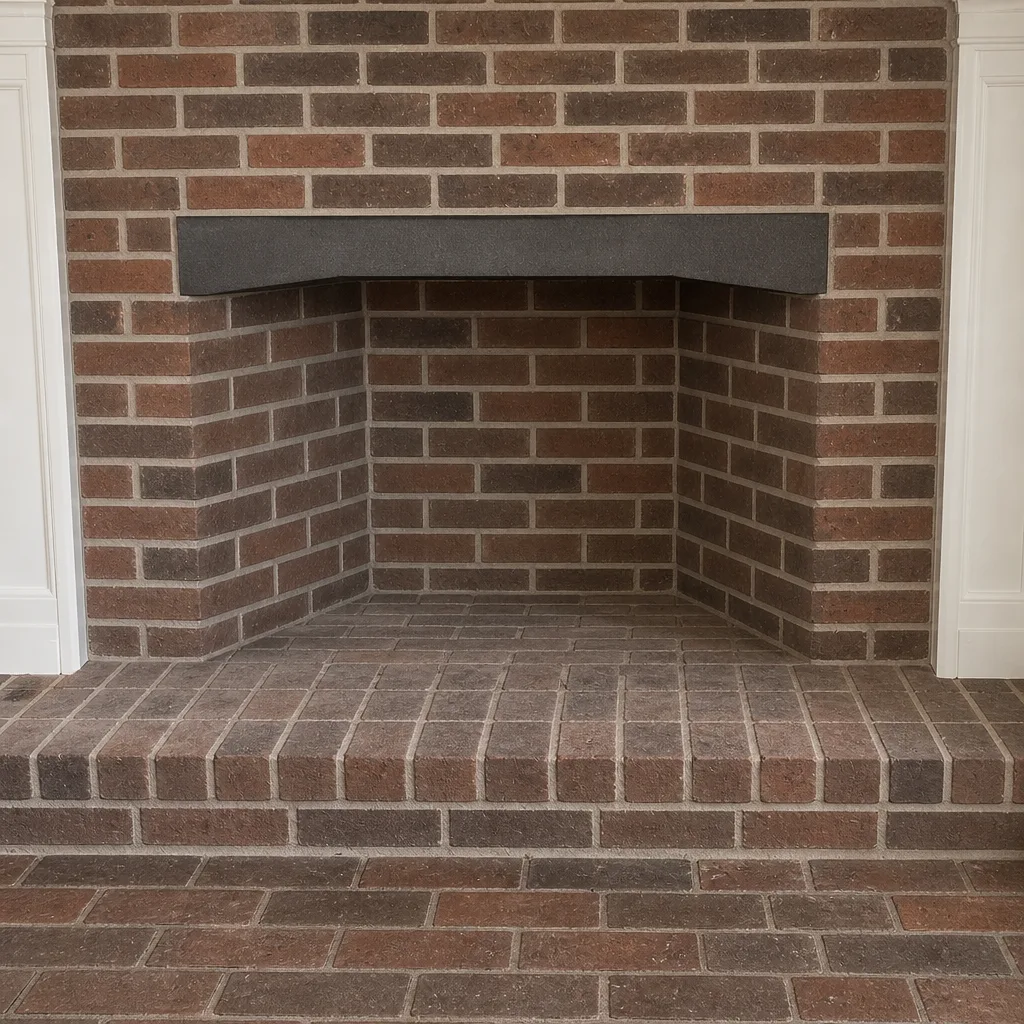 After
When to Call a Professional
Some chimney work is a genuine DIY no and some of it is a real hazard. Anything involving gas appliances, electrical connections, or the structural parts of a masonry chimney belongs with a trained professional. That includes a liner replacement, a firebox rebuild, a crack in the chimney above the roofline, and a smoky fireplace where the cause isn’t obvious. High-tension components, gas lines, and any repair that involves opening a chimney’s structure are the parts a homeowner should never attempt without training and the right tools. The rest of the job, from a sweep to a cap inspection, is best started with an honest assessment rather than a guess.
If you’re in Five Points and you’ve been meaning to schedule a sweep before heating season closes out, we can take a look and tell you plainly whether a permit is part of the picture. Chimney Sweep Five Points offers free estimates in Five Points: call (855) 658-5081. Our technicians have up to 12 years of experience and handle the whole scope, from chimney cap & crown work to structural chimney repair.
Frequently Asked Questions
No. Routine chimney cleaning and a Level I inspection are maintenance and don’t require a permit in North Carolina or Wake County. A permit comes into play when the work changes the venting system itself, like a liner replacement, a firebox rebuild, or a new gas insert. If you’re not sure which category your job falls into, ask your local building department before hiring anyone.
Liner replacement, firebox reconstruction, chimney rebuilding above the roofline, and gas insert installation typically need a permit through Wake County or the local code authority. Minor repairs like exterior mortar repointing or a cap swap usually don’t. The test is whether the work changes the venting system or the structure. Confirm with your building department for the specific job, and get the answer in writing from your contractor as well.
A Level 1 covers readily accessible parts of the system during a routine sweep. A Level 2 adds accessible attics and concealed areas and is required for a real estate transaction or a new appliance installation. A Level 3 is targeted and may involve opening walls to reach a known problem. For any permit application involving venting or structure, a Level 2 is the standard starting point.
Ask before work begins who pulls the permit and for the permit number. Then check the local code authority’s permit record to confirm it matches your address and the work scope. When the job is finished, ask for the inspection sign-off, not just the permit application. Keep the documentation with your home records. If the contractor can’t provide a permit, that’s a signal to find another contractor before any work starts.
Insurance adjusters reviewing a chimney fire claim often check whether the venting system was installed to code. If unpermitted liner work is discovered and classified as a code violation tied to the incident, the claim can be denied. The problem isn’t the fire alone, it’s the undocumented work behind it. That’s why permit paperwork is worth protecting as part of your home records.
A full-system chimney specialist can usually pull the permit and handle the repair in one scope, which keeps the accountability with one company. A sweep-only operator who hands off the repair to a second contractor leaves the permit and the paperwork unclear. Ask who will hold the permit and the inspection result from start to finish. A single point of accountability is what protects you.
Where Inspection Fits in the Chimney Lifecycle
The permit question doesn’t sit on its own. It’s part of a larger picture that runs from the first inspection to the last cap and crown. Each step informs the next, and the paperwork trail is only as solid as the inspection that started it.
Here’s how we think about a chimney system in Five Points:
- Inspection first. Nothing gets recommended without a look at the actual condition of the flue, crown, firebox, and clearances. A camera inspection and a written report are part of the starting point.
- Maintenance next. Sweeping, cap checks, and small repairs keep the system in service. That’s the no-permit tier, and it’s where most homeowners spend their time.
- Repair when evidence calls for it. When the flue is degraded, HeatShield resurfacing may restore it without a full liner replacement. When the flue is damaged beyond resurfacing, a DuraFlex liner system is the reline path for complex jobs, including offset flues that a cheap operator avoids.
- Cap and crown work as protection. A cap and crown sourced from a dedicated chimney product manufacturer keeps water, animals, and debris out of the flue. It’s cheaper to maintain than to repair damage caused by a missing cap.
- Structural repair when the chimney itself is failing. That’s where permits usually enter the picture, and where a full-system specialist earns the trust of being the only contractor on the job.
The throughline is simple: inspect, document, recommend, permit where required, install listed products, and sign off with the paperwork. That’s the lifecycle, from cap to firebox. For a broader view of how our services fit together, our Chimney Sweep Five Points page walks through the full scope, and we’re happy to talk it through with you by phone.
The Bottom Line
Permits aren’t meant to be a hurdle. They’re the record that protects you when the work needs to be verified years later. In North Carolina and Wake County, a sweep is maintenance and a liner replacement, firebox rebuild, or gas insert installation is construction. A Level 2 inspection is the evidence a permit rests on. And “code compliant” means nothing on an estimate until it’s attached to a specific product, a specific standard, and a permit number you can check. If you’re in Five Points, schedule the inspection before the repair season fills up. Call (855) 658-5081. We answer 24/7. Fast dispatch from 7am to 7pm, Sunday through Friday. Estimates are free, and nothing gets recommended without evidence you can see for yourself.
Written by the team at Chimney Sweep Five Points.